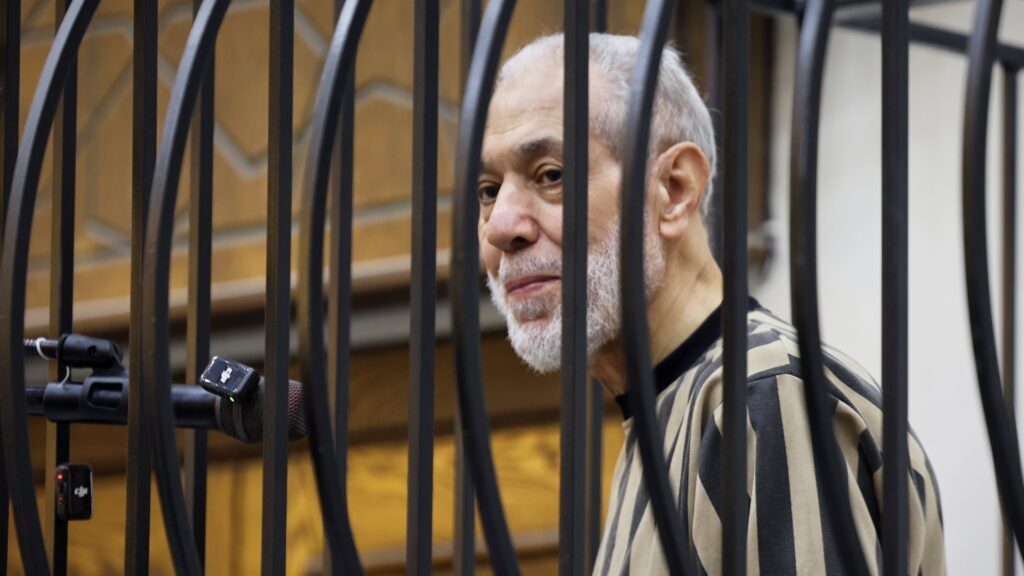
In a significant judicial development in Syria, the figure known as the ‘Barrel Bomb Mufti’ has been sentenced to life imprisonment. This sentencing marks a crucial moment in Syria’s ongoing conflict and legal proceedings related to war crimes and human rights violations.
The individual, whose moniker ‘Barrel Bomb Mufti’ arose from his association with the use and endorsement of barrel bombs during the Syrian civil war, has faced widespread condemnation. Barrel bombs, which are crude, large explosive devices dropped from aircraft, have been notorious for causing extensive civilian casualties and destruction, drawing international criticism for their indiscriminate impact on civilian populations.
This life sentence underscores the increasing efforts by Syrian authorities and allied entities to hold accountable those responsible for acts of brutality and war crimes. The case highlights the complex interplay between political, military, and religious elements within the Syrian conflict, where figures like the ‘Barrel Bomb Mufti’ allegedly wielded both ideological influence and operational involvement.
Observers note that the trial and sentencing signal a shift in the Syrian judiciary’s approach towards addressing past atrocities committed during the war. It suggests a move towards greater accountability, even as the country continues to face immense challenges related to reconstruction, reconciliation, and peace-building.
International reactions have been mixed, with some human rights organizations welcoming the verdict as a step forward in justice and rule of law, while others remain cautious about the broader implications for genuine reconciliation in Syria.
The life sentence handed down is expected to resonate across the region, potentially impacting other cases and the broader narrative of justice in Syria’s protracted conflict. It also adds to the international discourse on the legality and morality of using indiscriminate weapons like barrel bombs in warfare.
As the Syrian conflict persists, this landmark sentencing serves as a critical reminder of the imperative for accountability and the rule of law in addressing war crimes. The outcome of the trial may influence future judicial and political processes not only in Syria but in other conflict zones experiencing similar challenges.