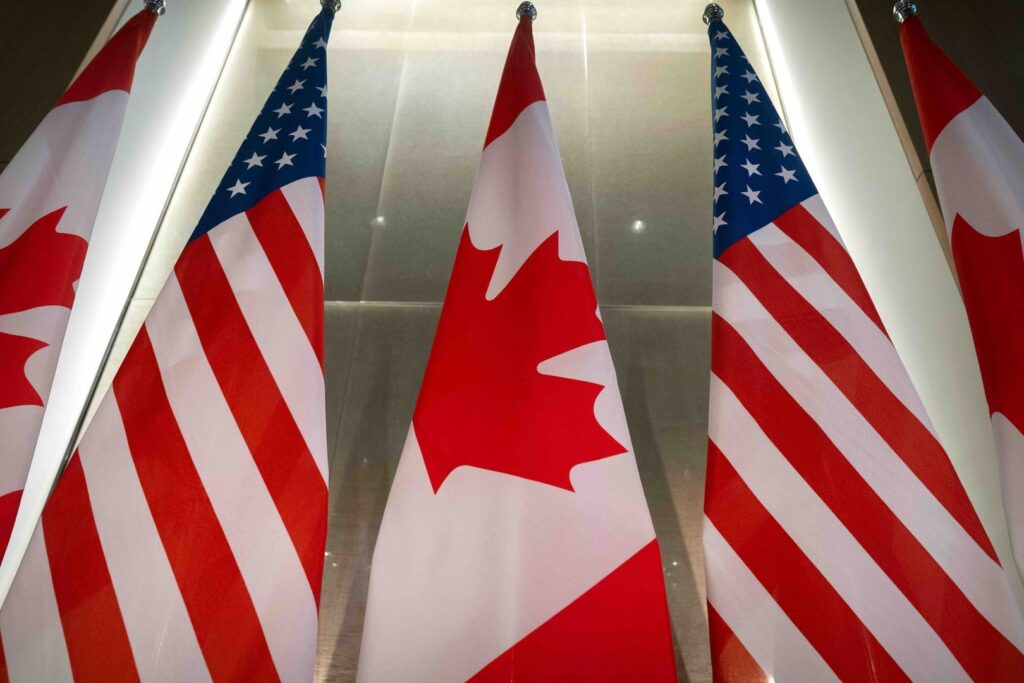
In a continuing escalation of the trade tensions between the United States and Canada, Canadian provincial premiers have voiced strong opposition to the recent tariff impositions by US President Donald Trump. This aggressive tariff move has provoked a unified reaction from Canadian political leadership, including Prime Minister Justin Trudeau and the provincial premiers, illustrating a deep-seated mistrust in Trump’s trade policies.
The dispute began when President Trump announced tariffs on several Canadian goods, aiming to protect American industries but inadvertently sparking fierce criticism and retaliatory measures from Canada. The Canadian premiers have been particularly vocal, accusing the US administration of unfair economic practices that threaten the prosperity and economic stability of Canadian provinces.
The premiers’ response highlights the complexity of the Canada-US economic relationship, which is deeply intertwined with extensive trade ties worth billions of dollars. Provinces such as Ontario, Quebec, and British Columbia are heavily reliant on exports to the US, and the new tariffs jeopardize not only business revenues but also thousands of jobs.
Premier of Ontario, Doug Ford, stated, “You just can’t trust Trump to uphold fair trade principles. His unpredictable tariffs are a direct attack on our local economies.” Similar sentiments were echoed by premiers across Canada, underpinning a national consensus that the US tariffs are a detrimental blow to mutual economic partnership.
In addition to voiced concerns, the Canadian government has initiated steps to counteract the tariffs by exploring legal challenges through the World Trade Organization (WTO) and considering their own retaliatory tariffs. This measures are aimed to pressure the US to retract the tariffs and resume negotiations on a more equitable basis.
Prime Minister Trudeau has also reaffirmed Canada’s commitment to protecting its trade interests and supporting affected industries. Trudeau and the premiers have called on the international community and trade partners to stand with Canada against what they describe as unjust trade aggression.
The trade war has broader implications beyond just Canada and the US, potentially destabilizing global economic relations and supply chains. Analysts warn that prolonged disputes could lead to increased costs for consumers and businesses, reduced economic growth, and heightened political tensions.
Canada continues to engage in diplomatic talks with the US, hoping to de-escalate tensions and establish a renewed framework for trade relations that respects the interests of both nations. Meanwhile, Canadian premiers remain steadfast, emphasizing unity and resilience in the face of economic challenges posed by the tariff impositions.
As this trade war unfolds, it underscores the fragility of international trade agreements and the significant impact of political decisions on economic policies and regional economies. The Canadian premiers’ firm stance represents not only a defense of their provinces’ economic well-being but also a call for fair and trustworthy trade practices on the international stage.