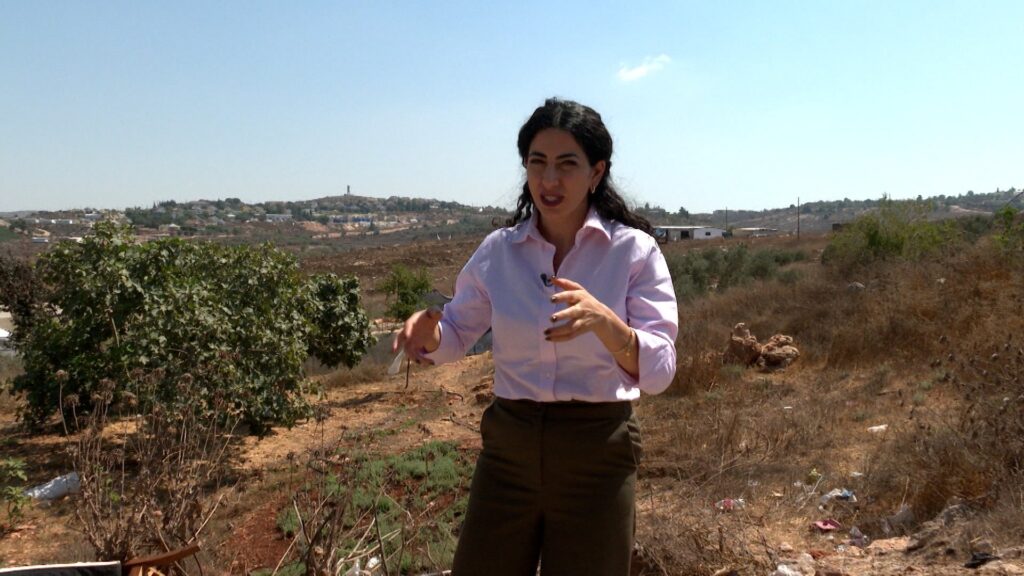
In recent developments in the Occupied West Bank’s Area B, Palestinian residents of Qaryut have reported increased aggression from Israeli settlers. According to local sources, these settlers, allegedly supported by the Israeli military, are pressuring Palestinian families to vacate their homes. Area B of the West Bank is under Palestinian civil control but Israeli military control, adding layers of complexity to the region’s governance and security dynamics.
The families affected by these actions express a deep concern about the security and future of their homes. They claim that the settlers’ presence is not only a threat to their physical safety but also an attempt to alter the demographic and territorial status quo in the occupied territories. The Israeli military’s involvement, whether direct or indirect, has led to accusations of complicity and has raised international concern about the protection of Palestinian rights under occupation.
Historically, Area B has witnessed tensions between Palestinian residents and Israeli settlers. The Israeli settlements in the West Bank are widely considered illegal under international law, a stance disputed by Israel. Human rights organizations often highlight the pressure and violence faced by Palestinian communities in these contested areas, calling for greater international intervention and protection.
The situation in Qaryut reflects a broader pattern of settler activity in the West Bank, where Palestinian homes and land have reportedly been targets of seizure or intimidation. The impact on Palestinian families is profound, affecting their livelihoods, access to resources, and psychological well-being.
Local Palestinian officials and activists have condemned the recent events in Qaryut, urging international bodies to hold the Israeli government accountable and to ensure the protection of Palestinian civilians. They call for an end to the expansion of settlements and for respect of Palestinian property and human rights.
This escalation in Qaryut is a stark reminder of the ongoing conflict and the urgent need for a just and lasting resolution that respects the rights and aspirations of all parties involved. The international community continues to monitor the situation closely, with hopes for de-escalation and renewed peace efforts.