Tensions between Iran and the United States have escalated significantly following the latest round of US sanctions imposed on Tehran. Iranian officials have vehemently condemned the sanctions, describing them as a ‘declaration of war’ not just against Iran but targeting all nations. This strong language underscores the gravity of the situation and signals deepening hostility in international relations.
The sanctions, which impact various sectors of Iran’s economy, are intended by the US to pressure Tehran into compliance with international demands, particularly regarding its nuclear program and regional activities. However, Tehran views these measures as unjust and aggressive, further isolating the country and threatening global stability.
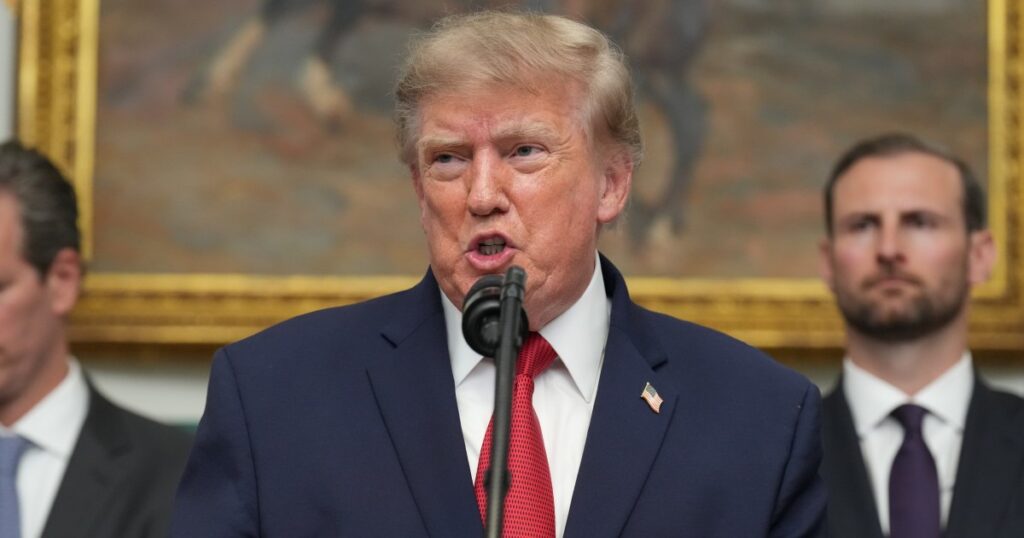
In response, the US President highlighted the complexity of the diplomatic situation, stating that Iran ‘would love to make a deal, but they’re not ready to make the right deal in my opinion.’ This comment reflects ongoing challenges in reaching a mutually acceptable agreement and suggests skepticism about the current state of negotiations.
The statement from the US leader points to the impasse that has characterized talks with Iran, with both sides holding firm to their respective positions. Iran demands relief from economic sanctions and recognition of its rights, while the US insists on stringent measures to curb Tehran’s nuclear ambitions and regional influence.
Experts warn that the harsh rhetoric and the continuation of sanctions could increase tensions in the Middle East, potentially affecting global energy markets and international security. The possibility of military confrontation, while not imminent, remains a concern among analysts and diplomats.
The international community watches closely as the situation unfolds, hoping for a diplomatic resolution that avoids further escalation. Both sides face internal pressures that complicate negotiations, with national pride, security concerns, and political interests all playing significant roles.
The recent exchange highlights the delicate balance of power and diplomacy in the region. It also demonstrates the challenges in resolving entrenched conflicts where mistrust and strategic interests dominate.
As the world awaits further developments, the importance of dialogue and diplomacy remains paramount. The consequences of a broader conflict would be severe, emphasizing the need for careful negotiation and international engagement.
In summary, the Iran war live updates reveal a contentious atmosphere marked by accusations, sanctions, and cautious statements from leadership. The future of US-Iran relations hangs in a precarious balance, with global implications that extend beyond the immediate region.