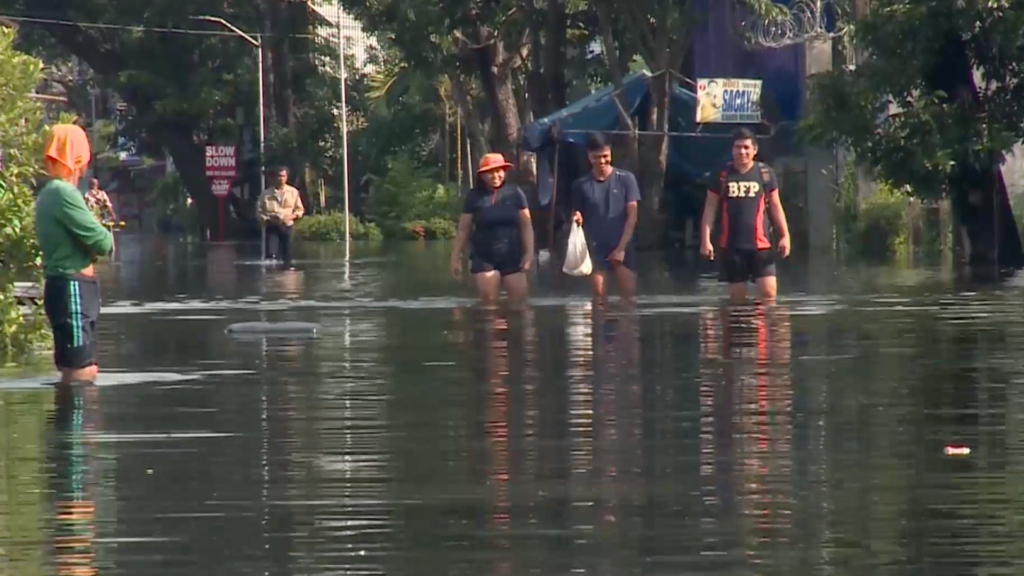
Communities in the Northern Philippines are facing severe flooding once again, prompting widespread concern and urgent calls for answers regarding the management of flood control funds. Residents and local leaders alike have expressed frustration and disappointment over what they perceive as mismanagement and lack of transparency from government officials tasked with flood mitigation.
The recent heavy rains have inundated numerous barangays (villages), disrupting lives, damaging homes, and jeopardizing livelihoods. Despite previous government assurances of comprehensive flood control measures, many affected areas remain vulnerable to recurring floods each rainy season.
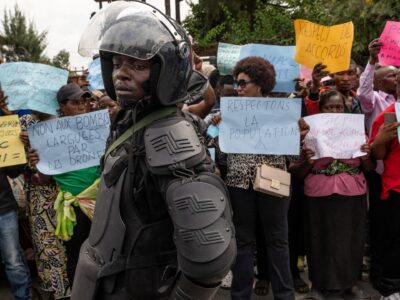
Local community members have gathered in protests and meetings demanding explanations about the allocation, use, and oversight of funds supposedly earmarked for flood prevention and infrastructure maintenance. They question why critical projects, such as drainage improvements, riverbank protections, and early warning systems, have yet to yield tangible benefits on the ground.
Authorities recognize the challenges of managing natural disasters in a country prone to typhoons, heavy rainfall, and rising sea levels. However, progress in flood mitigation has been hampered by bureaucratic delays, insufficient budgets, and alleged corruption cases involving government contracts related to flood control.
According to several reports, some flood control projects have either stalled mid-way or were of substandard quality, leading to further public distrust. Citizens have urged the Commission on Audit and other watchdog agencies to conduct thorough investigations and ensure that allocated funds are used responsibly.
Environmental experts have also joined the discourse, underscoring the importance of sustainable urban planning, reforestation, and community-based disaster risk reduction programs. They emphasize that flood control requires not only infrastructure investments but also active participation from residents and local governments to adapt to the evolving climate realities.
The Philippine government has assured the public that it will prioritize transparency and expedite flood control initiatives under its disaster management frameworks. Officials pledge to implement more rigorous monitoring and reporting mechanisms to regain the confidence of affected populations.
In summary, as the Philippines wrestles with climate-induced flooding, the demand for accountability and effective use of flood control funds remains high. For the inundated communities, securing their safety and future hinges on tangible government action, sound policies, and sustained community engagement to build resilience against inevitable natural hazards.