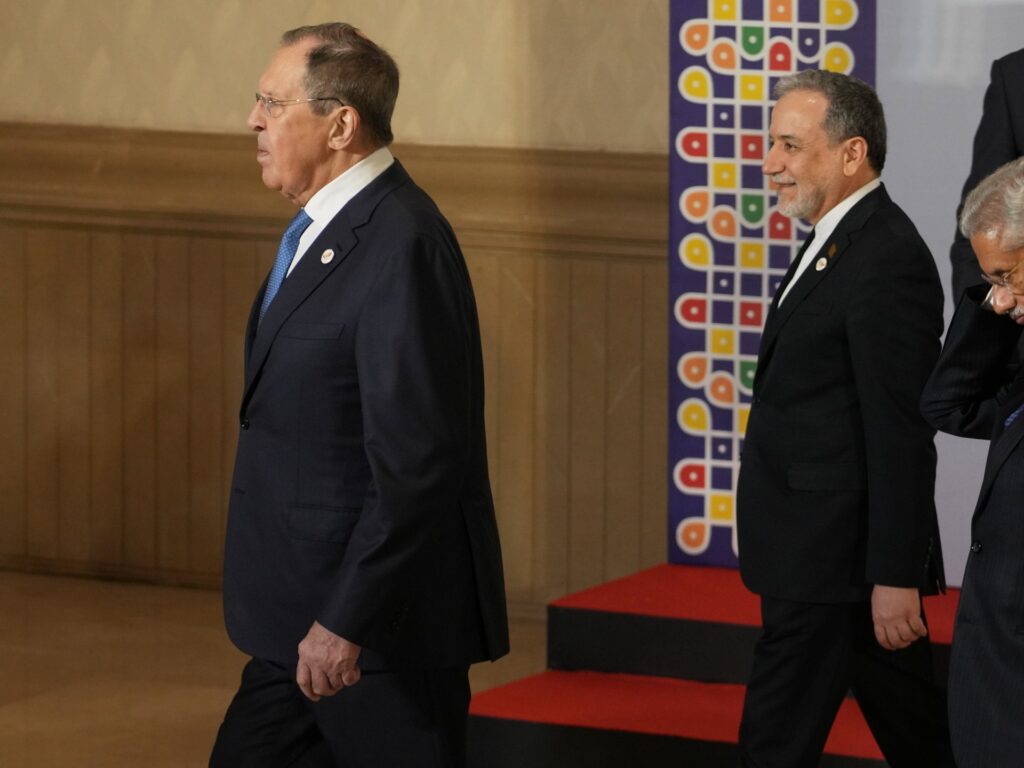
The Trump administration sought to heavily isolate Iran economically and politically, aiming to curb its influence and nuclear ambitions. Central to this strategy was the hope that key global powers would join the United States in tightening sanctions and severing significant trade ties with Tehran. However, Iran’s robust and deep-rooted trade relationships with China and Russia present formidable challenges to these efforts.
China and Russia, two of the world’s largest and most influential nations, have extensive economic interests tied to Iran. Beijing views Iran as a critical partner in its Belt and Road Initiative, seeing strategic value in Iran’s location as a gateway to the Middle East and beyond. This relationship encompasses energy imports, infrastructure investment, and high-level diplomatic cooperation, making it highly resilient to external pressure.
Similarly, Russia maintains significant military and economic ties with Iran. Moscow has supplied Iran with arms, shared nuclear technology, and engaged in trade worth billions of dollars annually. This long-standing partnership is not easily swayed by American diplomatic pressure, particularly as Russia seeks to counterbalance U.S. influence in global affairs.
Analysts highlight that both China and Russia have incentives to resist Washington’s unilateral sanctions regime. They see value in sustaining Iran as a geopolitical counterweight and a reliable trade partner amid global tensions. Furthermore, they often critique American sanctions as extraterritorial and illegitimate, reinforcing their resolve to circumvent U.S. sanctions where possible.
Efforts by the U.S. to isolate Iran economically through secondary sanctions — targeting non-U.S. companies and banks that trade with Tehran — face significant hurdles. Chinese and Russian entities have shown willingness to risk penalties to maintain their economic activities with Iran. This dynamic complicates the Trump administration’s goals of curtailing Iran’s economic lifelines.
Moreover, Iran’s ability to diversify its economic partners beyond the West and expand its trade in currencies other than the U.S. dollar further diminishes Washington’s leverage. The growing use of barter arrangements, local currencies, and alternative financial messaging systems bypasses traditional channels heavily monitored by the U.S., reducing the effectiveness of sanctions.
The Trump administration’s push to isolate Iran ran into complex geopolitical realities where China and Russia’s strategic interests converge with Iran’s survival and economic growth. Analysts argue that without cooperation from these global powers, Washington’s sanctions risk being undermined and less effective.
In conclusion, China and Russia’s entrenched economic and diplomatic relationships with Iran pose a significant obstacle to the U.S. policy of isolation. Their strategic partnerships, mutual geopolitical goals, and readiness to circumvent sanctions may hobble efforts by the Trump administration to fully cut Iran off from crucial international trade and finance networks. This situation underscores the limits of unilateral American sanctions in a multipolar world with competing great powers.