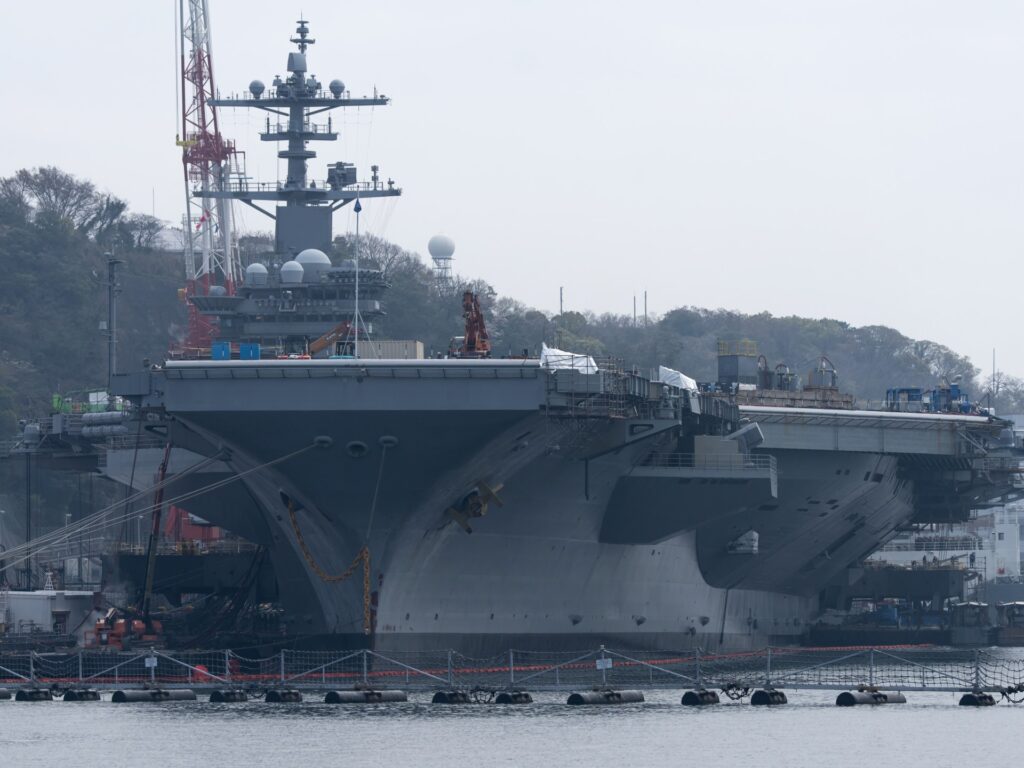
The USS Washington has arrived in the Middle East, marking a significant development in U.S. naval operations in the region. This deployment comes amid growing concerns and public outcry over the conditions aboard another U.S. aircraft carrier, the USS Lincoln. Reports detailing dire living and operational conditions on the USS Lincoln have raised serious questions about U.S. military readiness and war planning.
The decision to send the USS Washington to the Middle East is seen as a strategic move to address these concerns directly. The vessel is expected to replace the USS Lincoln, which has faced scrutiny from both military officials and members of the public.
According to sources familiar with the situation, the USS Lincoln has been struggling with maintenance issues, cramped quarters, and morale problems among its crew. These issues are believed to have compromised the carrier’s ability to effectively carry out its missions.
Military analysts say the timely deployment of the USS Washington reflects an effort by the U.S. Navy to maintain a strong presence in a geopolitically sensitive area. With tensions continuing to rise in parts of the Middle East, maintaining operational readiness and morale among naval forces is critical.
The USS Washington, equipped with advanced technology and modern systems, is expected to enhance the U.S. Navy’s operational capabilities in the region. This move not only demonstrates the U.S.’s commitment to regional security but also aims to reassure allies and partners who depend on American naval power for stability.
Naval experts highlight that aircraft carriers like the USS Washington play an indispensable role in power projection, rapid response, and ensuring freedom of navigation in international waters. The replacement of the USS Lincoln with a more capable vessel underscores the importance the U.S. places on maintaining superiority at sea.
The arrival of the USS Washington also coincides with increased diplomatic efforts to address ongoing conflicts in the Middle East. Analysts note that naval deployments often serve as signals of political intentions and readiness, complementing diplomatic strategies.
While the Navy has not released extensive details about the specific reasons behind the USS Lincoln’s poor conditions, the broader implications have sparked debate within defense circles. Questions about funding, maintenance policies, and crew welfare have been brought to the forefront.
Crew members aboard the USS Lincoln reportedly faced extensive delays in ship repairs, shortages of essential supplies, and challenging living conditions that impacted their psychological well-being. These factors contributed to the public’s reaction and concerns over the carrier’s readiness.
In response, U.S. Navy officials have emphasized ongoing efforts to improve the maintenance and operational support for all vessels in the fleet. They have also reaffirmed the importance of maintaining a forward-deployed presence in critical regions.
The deployment of the USS Washington is expected to allow the Navy to conduct a thorough assessment and necessary repairs on the USS Lincoln without compromising mission requirements. It also serves as a reminder of the challenges faced by aging naval fleets and the need for continued investment in modernization.
As the USS Washington begins its mission in the Middle East, all eyes will be on its performance and the Navy’s ability to balance operational demands with the welfare of its personnel. This episode highlights the complex interplay between military preparedness, public perception, and geopolitical strategy in one of the world’s most volatile regions.