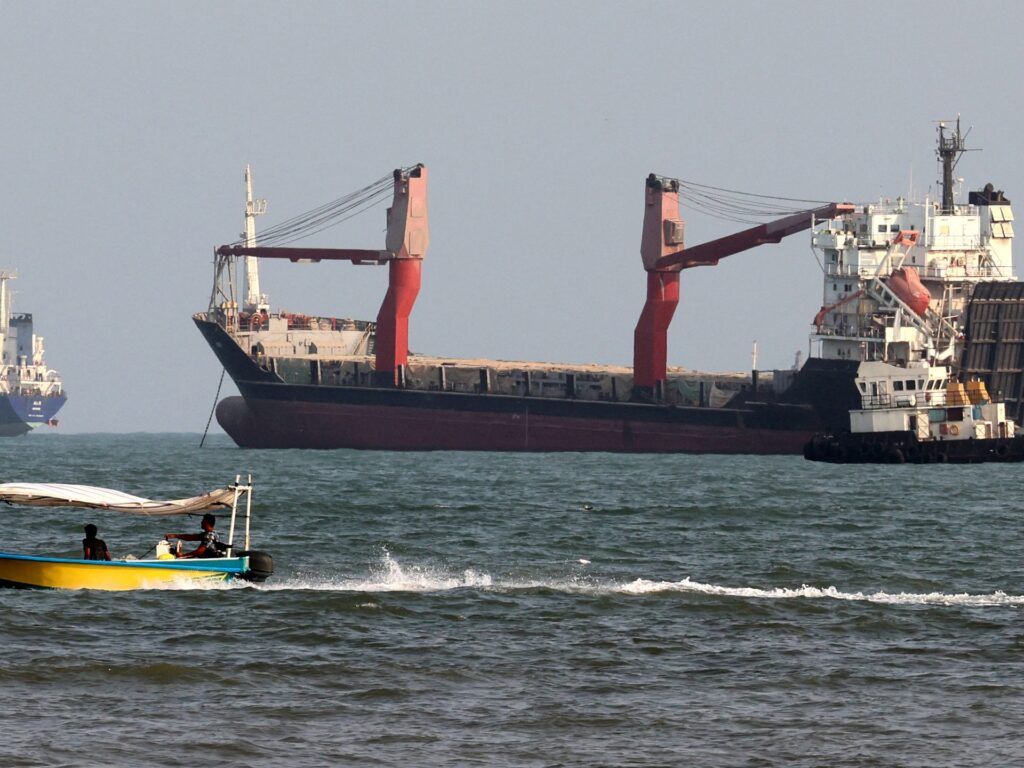
The Strait of Hormuz is one of the world’s most strategic maritime chokepoints, through which a significant portion of global oil shipments pass daily. This narrow passage has long been a flashpoint for geopolitical tensions, primarily involving Iran and the United States. A critical question for maritime security analysts and global trade stakeholders is whether ships transiting the Strait of Hormuz are more willing to defy Iran’s rules and warnings or those of the United States, and what data supports these observations.
Recent maritime behavior indicates that while ships generally attempt to maintain a low profile by masking their identities when crossing the Strait, the prevalent fear appears to be more towards Iran than the US. This phenomenon is rooted in multiple factors, including Iran’s proven track record of enforcing strict naval and territorial controls in the region, as well as reports of Iran intercepting and occasionally detaining vessels suspected of violating its maritime boundaries or regulations.
Data from shipping analytics firms and satellite tracking services reveal an increase in the use of Automatic Identification System (AIS) transponder manipulation or outright shutdown when entering or navigating near the Strait of Hormuz. Ships frequently obscure identifying information such as vessel name, flag state, and cargo details, a practice motivated by the wish to avoid targeted scrutiny or interference.
Statistical analysis of maritime incidents in the Strait provides further insight. Over the past decade, several incidents involving Iranian naval forces confronting commercial and military vessels underscore Iran’s proactive enforcement stance. Conversely, while US naval presence in the region is substantial and often involved in freedom of navigation operations, ships generally report less direct interference from US forces, partly because these operations are conducted openly and under international statutes.
Interviews with ship captains and maritime security experts highlight a common sentiment: the unpredictability and risk of confrontation with Iranian forces compel ships to be more cautious, often adopting identity-masking tactics to avoid confrontation altogether. On the other hand, the US Navy’s presence is often regarded as a protective factor by many ship operators navigating the Strait.
Moreover, insurance and maritime security risk assessments corroborate these findings. Vessel operators consider the risk of seizure or boarding by Iranian authorities a tangible threat, influencing route planning and compliance decisions. The presence of US naval patrols, in contrast, is typically factored into security measures as a deterrent rather than an immediate threat.
In conclusion, the data and behavioral patterns of maritime traffic through the Strait of Hormuz strongly suggest that ships are more inclined to mask their identities and navigate cautiously primarily due to fears related to Iran’s enforcement and control actions. Although US naval forces maintain a formidable presence aimed at securing navigation, the palpable concern among seafarers and operators centers more on avoiding direct confrontation with Iranian authorities. This dynamic shapes the operational environment in this critical maritime corridor and influences global energy security and trade flow considerations.