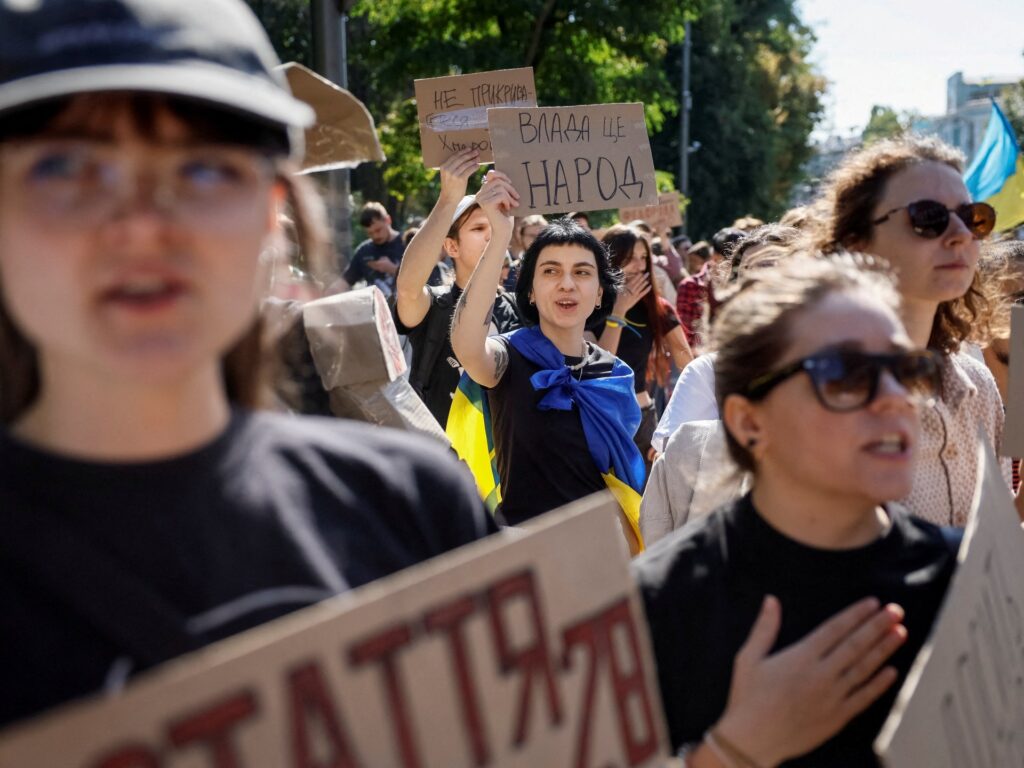
In a striking development within Ukraine’s political landscape, the former defence chief, a widely respected figure named Fedorov, has publicly called for a national election to be held during the ongoing war with Russia. This call has intensified pressure on President Volodymyr Zelenskyy, as it poses a significant challenge to his leadership.
Fedorov’s popularity is rooted in his military experience and his perceived commitment to Ukraine’s sovereignty, which resonates deeply with many citizens amid the conflict. His demand for an election is seen by supporters as a push for greater accountability and democratic choice during a time of national crisis.
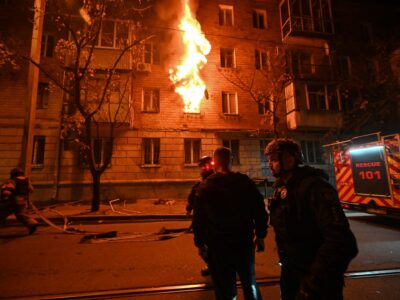
However, the practicalities of organizing and conducting a free and fair election under the conditions of active warfare are daunting. Ukraine continues to face relentless attacks from Russian forces, including missile strikes and bombings on key cities and infrastructure. The security risks and logistics of polling in such an environment make the prospect of a timely election nearly impossible.
President Zelenskyy, who initially rose to international prominence for his leadership during the war, has maintained that maintaining national unity and focusing on the military effort must take precedence. Holding an election during such turbulent times could risk fragmentation of the government and distract from the defense efforts.
Analysts suggest that Zelenskyy’s administration is caught in a delicate balancing act—responding to public demands for democratic processes and transparency, while ensuring that the war effort is not undermined by political instability. The situation underscores the broader challenges of governance and democracy in wartime.
International observers have noted that wartime elections are rare and historically fraught with complications, often leading to questions about legitimacy and fairness if not conducted under stable conditions. The call from Fedorov is, therefore, both a political statement and a test of the resilience of Ukraine’s democracy under fire.
Public opinion in Ukraine remains divided. Some citizens feel that an election could renew democratic legitimacy and provide new leadership options, while others believe that any political contest now could weaken the country’s defense and unity.
Fedorov has indicated that his challenge to Zelenskyy is based on a desire to strengthen Ukraine’s democratic institutions and ensure that the leadership has a strong mandate. He warns that prolonged governance without electoral mandate during crisis times can corrode trust in government.
As the war continues, the discourse on democracy, leadership, and legitimacy remains central to Ukraine’s national conversation. Whether an election can be realistically held remains uncertain, but the debate itself highlights the complexities faced by nations under duress.
In summary, the ex-defence chief Fedorov’s proposal for a wartime election has significantly raised the stakes for President Zelenskyy, spotlighting the tension between democratic ideals and practical wartime governance. The outcome of this political challenge will likely influence Ukraine’s trajectory both during and after the conflict, serving as a barometer for the resilience of its political system under unprecedented pressure.