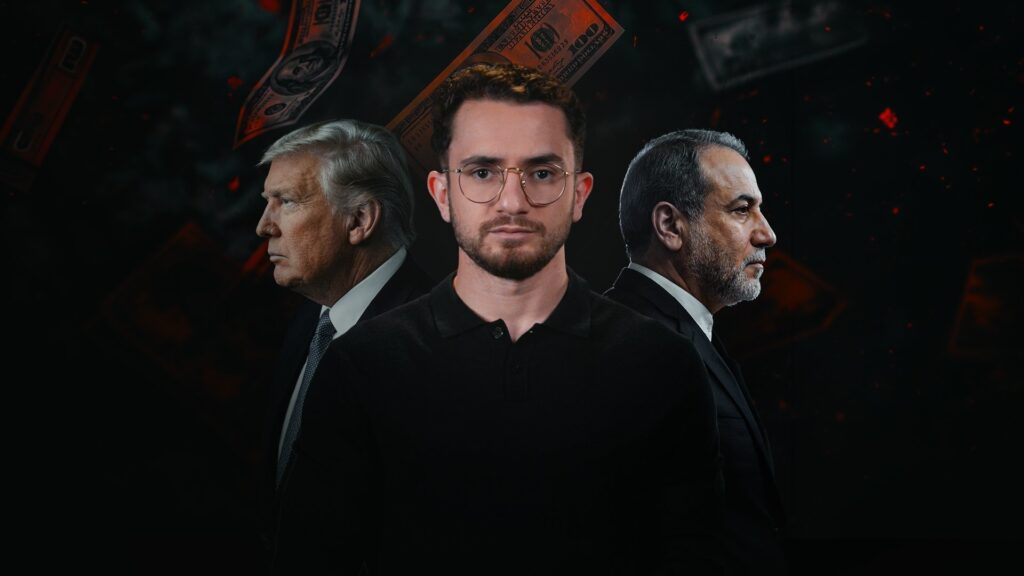
US President Donald Trump has initiated a new campaign aimed at economically isolating Iran. This strategy focuses on punishing countries and entities that engage in trade with Iran, aiming to pressure Tehran into altering its policies. The move signals a continuation and escalation of efforts to contain Iran’s influence and nuclear ambitions by denying it access to international markets and resources. Trump’s administration is employing economic sanctions as a key tool, targeting Iran’s oil exports, banking sector, and other critical industries. The announcement has raised concerns among Iran’s allies and trading partners, many of whom now face difficult decisions about maintaining their economic ties with Iran or adhering to US sanctions. The campaign reflects a broader US policy to exert maximum pressure on Iran, discouraging any financial support that could benefit the Iranian government. Critics argue that this approach might increase tensions and negatively impact the region’s stability, while supporters believe it is necessary to curb Iran’s regional activities and nuclear program. The economic isolation campaign is set to redefine trade dynamics in the Middle East, with Saudi Arabia and other allies backing the US initiative. Meanwhile, countries like China, Russia, and the European Union have expressed cautious responses, balancing their economic interests with geopolitical considerations. This policy underscores the complex interplay between diplomacy, economic power, and global security in addressing the challenges posed by Iran’s international conduct.