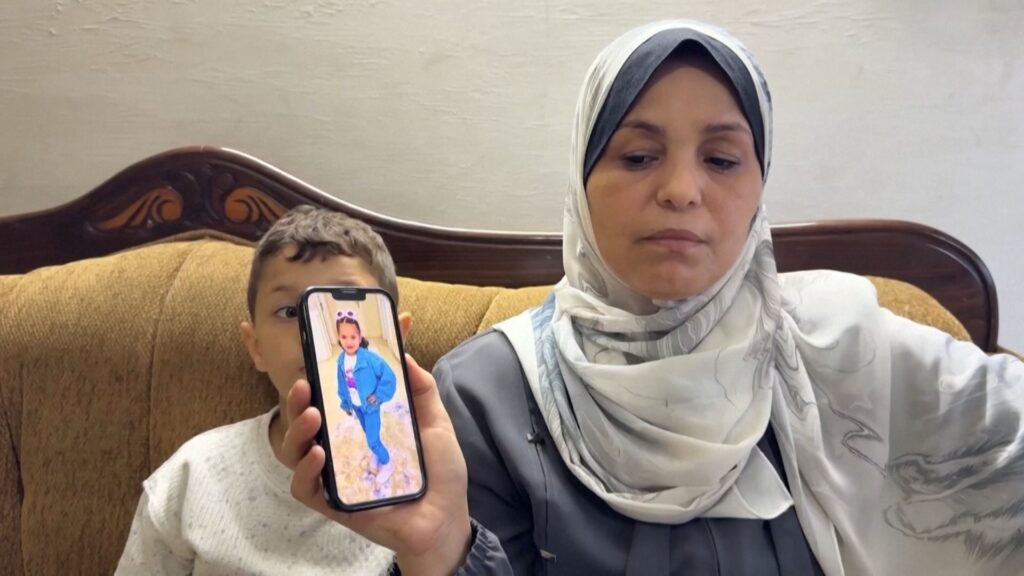
The grandmother of Hind Rajab, a five-year-old Palestinian girl tragically killed in her family’s car by Israeli forces in Gaza, has openly expressed her deep distrust in the Israeli judiciary. Hind Rajab’s death has sparked widespread grief and outrage, highlighting the ongoing conflict and humanitarian crisis in the region.
In a heartfelt statement, Hind’s grandmother declared, “We do not trust the Israeli judiciary,” reflecting the profound skepticism held by many Palestinians regarding the fairness and impartiality of Israeli legal proceedings related to military actions in Gaza. This sentiment underscores a broader narrative of mistrust and tension between Palestinians and Israeli authorities.
Hind Rajab was one of the youngest victims in a recent series of violent incidents. According to witnesses and family members, the young girl was killed when Israeli forces targeted her family’s vehicle during an operation in Gaza. The incident has raised significant concerns about the protection of civilians, particularly children, in conflict zones.
Human rights organizations have condemned the killing and called for an independent investigation to hold those responsible accountable. However, the family and community members remain skeptical that justice will be served through Israeli courts, citing a history of unaddressed grievances and perceived biases.
The grandmother’s statement sheds light on the emotional toll these conflicts take on families and communities. It also highlights the urgent need for transparent and impartial investigations into incidents involving civilian casualties to restore some faith in justice systems.
The death of Hind Rajab is a stark reminder of the devastating human cost of the ongoing conflict between Israel and Gaza. It reaffirms the calls from international observers and advocacy groups for renewed efforts toward peace, protection of human rights, and the safeguarding of innocent lives.
As the family mourns their loss, their mistrust in the judicial process points to a larger crisis of legitimacy and confidence in law enforcement and governance in the region. Addressing these issues is critical to paving the way for reconciliation and lasting peace.
The story of Hind Rajab and her family serves as a poignant example of the personal tragedies behind the headlines. It emphasizes the need for continued dialogue, accountability, and humanitarian support for those affected by the conflict.
In conclusion, Hind Rajab’s grandmother’s statement not only voices a personal grief but also symbolizes the broader struggle for justice and recognition faced by Palestinians in the face of ongoing violence and political strife. The international community is urged to prioritize these concerns and work towards fostering an environment where justice and trust can be reclaimed.