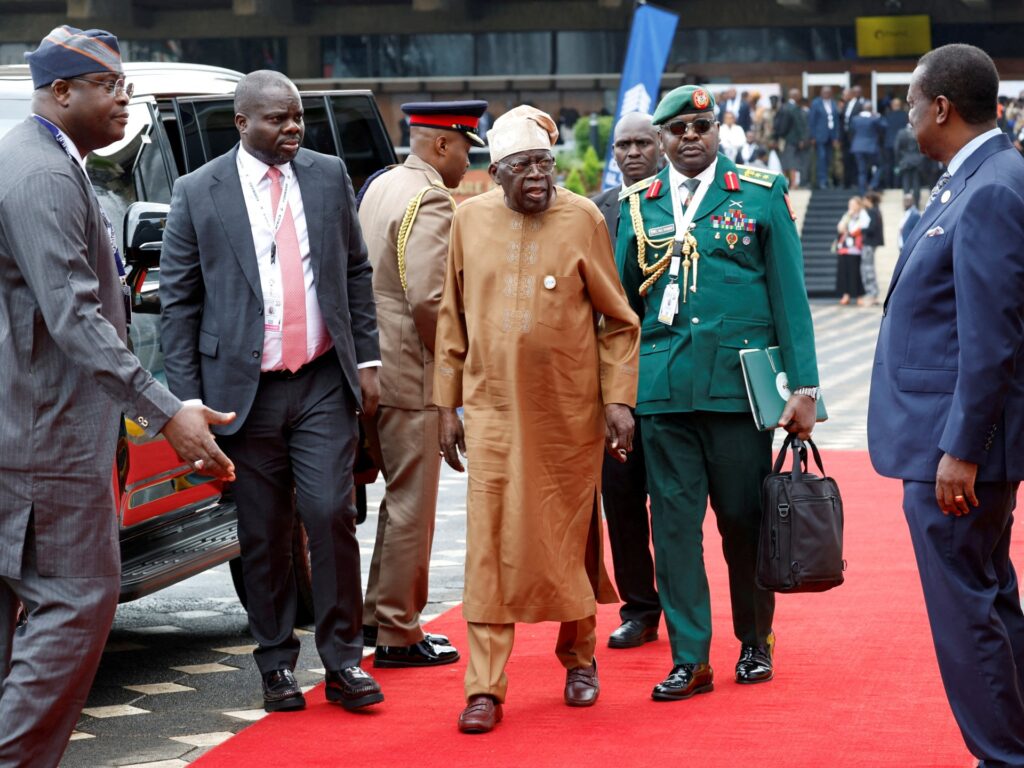
Nigeria’s political landscape is heating up as the election campaign season officially begins, placing President Bola Tinubu at the center of a critical reform test. The country is grappling with escalating living costs, which have fueled public dissatisfaction and raised expectations for meaningful change. This environment sets the stage for an intense electoral contest where the dynamics of government machinery and opposition fragmentation will play pivotal roles.
President Bola Tinubu, who assumed office with a promise to drive comprehensive reforms, now faces pressure to address economic grievances swiftly. The rising cost of living, driven by inflation and economic instability, has sparked widespread anger among Nigerians, who are hoping the election will pave the way for improved governance and economic relief.
Despite the challenges, Tinubu’s administration benefits from a well-organized political machinery that could influence the election’s outcome. His campaign is leveraging established networks and alliances to consolidate support across various regions, aiming to secure a robust mandate for his reform agenda.
However, the opposition landscape is fragmented, with multiple parties and candidates vying for influence. This division may dilute the opposition’s strength, an advantage that Tinubu’s camp might exploit. The scattered opposition has struggled to present a united front, which could be decisive in closely contested areas.
Analysts note that the election is more than a contest of personalities; it is a referendum on the government’s performance in managing the economy and delivering on promises. The electorate’s mood is volatile, and any missteps by the incumbent could sway public opinion dramatically.
Civil society groups and international observers are closely monitoring the electoral process to ensure transparency and fairness. There is a keen interest in whether this election can set a precedent for democratic consolidation in Nigeria, particularly in the context of addressing urgent socioeconomic issues.
As campaigning intensifies, key policy issues such as inflation control, job creation, security, and infrastructural development remain at the forefront of the debate. Candidates are expected to articulate clear strategies to tackle these challenges if they hope to gain voter confidence.
The media plays a vital role in shaping public perceptions during this period, with extensive coverage of campaign events, debates, and political analysis. Social media platforms also serve as important arenas for engagement and mobilization among younger voters.
Ultimately, the upcoming election represents a crucial juncture for Nigeria. The outcome will likely influence the country’s trajectory regarding economic reforms and political stability. President Tinubu’s ability to harness support and address pressing issues will be tested against a backdrop of public scrutiny and opposition challenges.
In conclusion, Nigeria’s election campaign has begun under the cloud of growing economic hardship and heightened political stakes. President Bola Tinubu stands at a crossroads where successful reform implementation is essential to maintain political momentum. Meanwhile, the fragmented opposition faces the challenge of uniting voters dissatisfied with the status quo. The developments in the coming months will be critical in shaping Nigeria’s democratic and economic future.