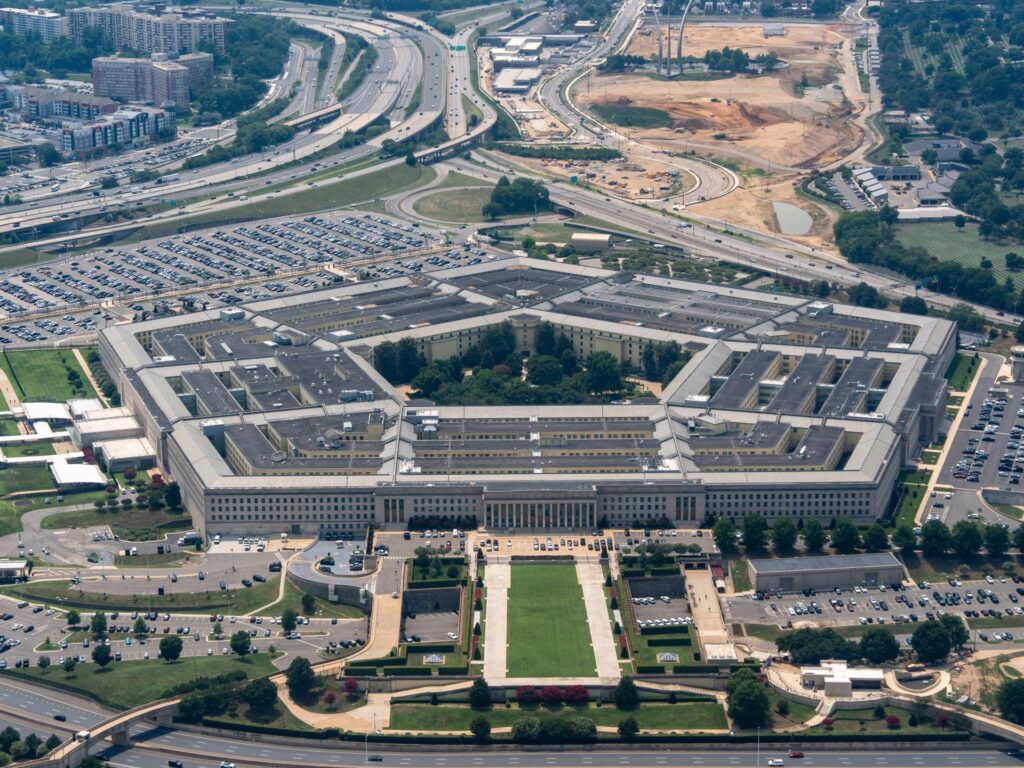
In a recently uncovered report obtained exclusively by Al Jazeera, startling revelations have emerged concerning the Pentagon’s efforts to assess the political loyalty of NATO allies to United States policies. This internal questionnaire circulated among NATO member states dives deep into the nature of their alliances and their compliance with US directives.
The documents highlight a growing concern within the Pentagon about the consistency of allied support for American strategic interests. The calibrated questions appear designed to gauge whether NATO partners remain steadfast in upholding collective defense agreements and harmonizing foreign policy objectives with those of the US.
Sources familiar with the inquiry noted that the Pentagon’s approach signifies an unprecedented level of scrutiny into the political alignments within the alliance. This move arrives at a time when international geopolitical dynamics are shifting, and the reliability of traditional alliances is increasingly put to the test.
The questionnaire reportedly probes issues ranging from military cooperation to economic and diplomatic support for US-led initiatives. Allies are asked to clarify their stance on emerging security threats, defense spending commitments, and collaborative participation in joint operations. Underlying these questions is the implicit demand for unwavering adherence to US leadership within NATO.
Critics argue that such intense probing risks undermining the spirit of partnership that has defined NATO for decades. They warn that imposing political loyalty tests may foster resentment, weaken trust, and inadvertently destabilize the alliance.
Despite these concerns, proponents within the Pentagon maintain that verifying loyalty is essential for cohesive policy implementation and ensuring that US security interests are not compromised by diverging agendas among allies.
The revelations have sparked vigorous debates across international forums and among experts analyzing transatlantic relations. Many are calling for increased transparency and dialogue to balance national sovereignty with collective defense imperatives.
Historically, NATO has been a cornerstone of Western security architecture since its inception in 1949, with its foundation resting on mutual trust and shared values. The newly disclosed Pentagon questionnaire marks a significant shift towards a more transactional assessment of alliance solidarity.
Analysts suggest that this development reflects broader trends in global politics where alliances are increasingly conditioned on unwavering alignment rather than flexible cooperation.
The US administration has yet to issue a formal statement regarding the disclosure of the loyalty questionnaire. However, diplomatic channels are reportedly engaged in managing the fallout and reassuring allies about the enduring commitment to NATO’s fundamental principles.
As the story unfolds, it highlights the complexities facing international alliances in an era marked by political polarization and shifting power balances. Whether NATO can navigate these internal tensions without fracturing remains a question of critical importance for global security.