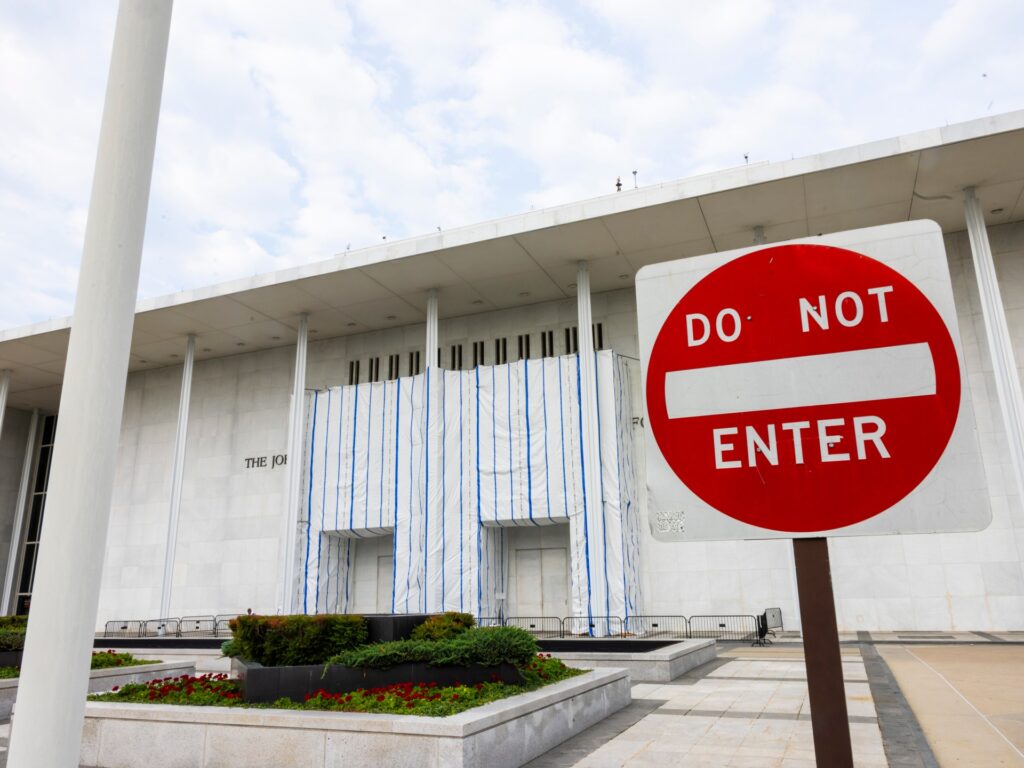
The Kennedy Center has agreed to postpone restoring former President Donald Trump’s name to its premises until after September 8. This decision comes amid ongoing legal disputes and strong opposition from various groups who argue that the venue appears to be intentionally defying a court order mandating the removal of Trump’s name from the building.
The controversy began when the Kennedy Center removed Trump’s name in compliance with a court directive. However, the center’s subsequent plans to reinstate the name sparked public backlash and accusations of disregarding judicial authority.
Opponents of the restoration claim that the decision undermines the rule of law and sends a problematic message about respect for legal processes. They have expressed concern that the center’s actions could incite further division and controversy.
Supporters of reinstating Trump’s name argue that the center has the right to honor figures as it sees fit and that the removal was politically motivated. The debate over the presence of Trump’s name reflects broader national tensions surrounding his presidency and legacy.
The agreement to delay the restoration signifies a temporary truce in an otherwise heated contest, allowing more time for legal deliberations and public discourse. It remains to be seen how the situation will unfold after the September 8 deadline.
This ongoing conflict highlights the challenges institutions face when navigating politically charged symbols and the intersection of legal rulings with public sentiment. The Kennedy Center’s handling of Trump’s name will likely remain a focal point in discussions about cultural memory, justice, and political identity in the United States.