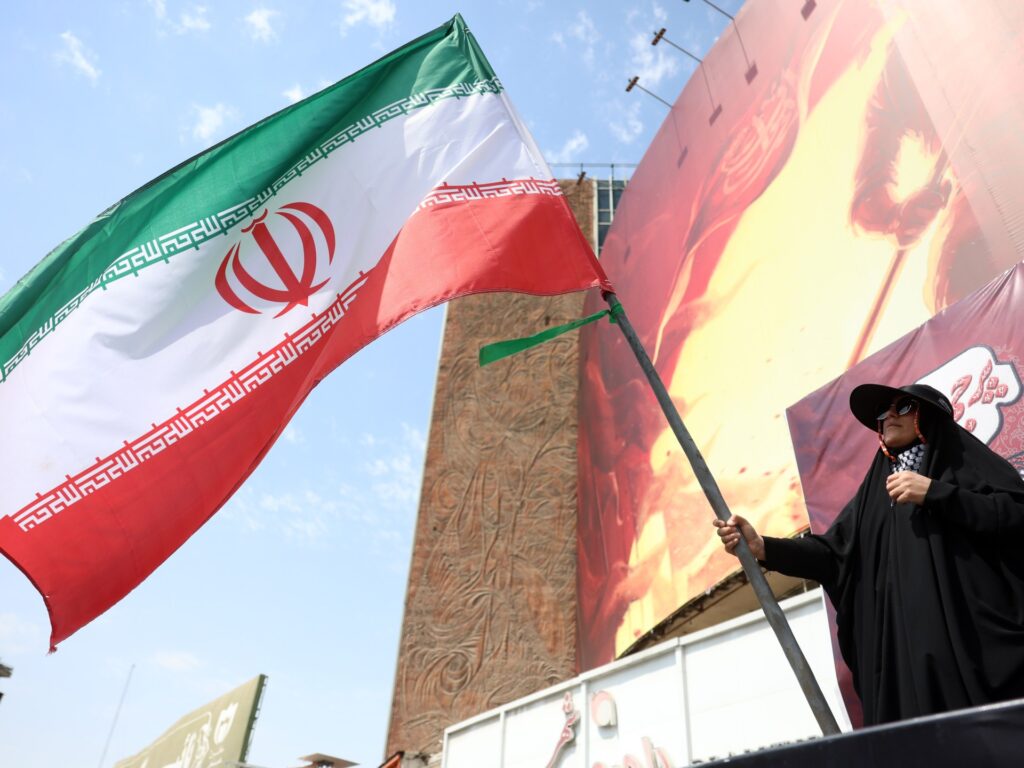
Iran’s hardline parliament has introduced a contentious legislative proposal designed to combat what they describe as ‘foreign infiltration.’ This plan mandates that Iranian citizens and entities must acquire authorization before contacting foreign universities or engaging with international media outlets. The legislation is rooted in concerns over external influence on Iran’s internal affairs, particularly in sensitive sectors such as education and media.
The proposed law aims to control foreign interactions by imposing strict regulations on communications between Iranians and outside organizations. Proponents argue that this will safeguard national security and preserve cultural integrity against perceived ideological threats from the West and other foreign powers.
Critics, however, warn that the legislation could severely hinder academic freedom, restrict freedom of speech, and isolate Iran from the global community. They argue that requiring authorization to communicate with international universities might limit knowledge exchange and academic development. Additionally, controlling contact with foreign media could further suppress journalism and restrict the flow of information.
The parliament’s efforts reflect a broader trend of increasing hardline policies in Iran aimed at curbing foreign influence and tightening control over domestic institutions. The plan reportedly includes provisions for monitoring and reviewing all foreign contacts, demanding detailed disclosures about the nature and purpose of such communications.
Opposition voices within Iran and international observers have expressed concerns that the legislation could become a tool for political repression, targeting individuals and organizations perceived as dissenting or affiliated with foreign entities.
The government contends that the plan is necessary amid ongoing geopolitical tensions and intelligence threats. Officials claim that protecting national interests requires vigilance against covert foreign operations that might destabilize or undermine the country.
If passed, this legislation could redefine Iran’s approach to international collaboration and reshape the dynamics of foreign engagement. Universities, media outlets, NGOs, and individuals will need to navigate a complex regulatory landscape that prioritizes national security above all else.
The plan has sparked heated debates within Iranian society, highlighting deep divisions over the balance between security and openness. Advocates for reform caution that excessive restrictions might isolate Iran and stunt its development, whereas supporters emphasize sovereignty and defense against subversive influences.
As the parliament considers this proposal, the international community is closely watching how Iran’s internal policies evolve amid global challenges. The outcome will likely impact not only Iran’s diplomatic relations but also the freedoms and rights of its citizens in the years to come.