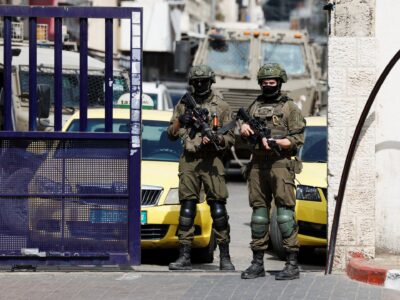
The ongoing tensions and potential conflict between the United States and Iran have far-reaching consequences, extending beyond the immediate regions involved and impacting vulnerable communities worldwide. One such unintended victim of this geopolitical strife is the education of children in Cambodia, a country already grappling with developmental challenges.
Cambodia, a Southeast Asian nation, has made significant strides over the past decades in improving access to education. However, much of this progress is fragile and heavily dependent on international aid and a stable global economic environment. The US-Iran conflict threatens to destabilize this progress by diverting international attention and resources away from educational development.
Economic repercussions are one of the most direct impacts. The conflict escalates global oil prices and disrupts international markets, which in turn strains the economies of developing countries like Cambodia. This economic strain limits government spending capabilities on public services, including education. Schools may face shortages in essential supplies, infrastructure development stalls, and teacher salaries may be delayed or reduced.
Moreover, international aid, which constitutes a significant portion of Cambodia’s education budget, is at risk. Donor nations and agencies often redirect their funds to address immediate geopolitical concerns or humanitarian crises arising from conflicts. This reallocation reduces available grants and support for educational programs designed to uplift Cambodian children.
The psychological impact on children should not be underestimated either. News of war and global instability can create anxiety and distraction among students, adversely affecting their concentration and academic performance. When families face economic and social uncertainty, children’s education often suffers as their caretakers prioritize survival needs.
Furthermore, potential regional instability triggered by the US-Iran conflict could influence Southeast Asia’s overall security climate. Cambodia, being part of this region, might experience secondary effects such as reduced foreign investment and tourism, further straining the economy and indirectly harming education funding.
Educational experts and international organizations urge for diplomatic resolutions to conflicts to prevent such collateral damage to vulnerable populations. They emphasize that sustained investment in education is crucial for long-term peace and development.
In conclusion, while the US-Iran war primarily involves geopolitical interests of powerful nations, its ripple effects threaten the educational prospects of Cambodian children. It highlights the interconnectedness of global events and the importance of peaceful conflict resolution to safeguard the development and future of vulnerable communities worldwide.