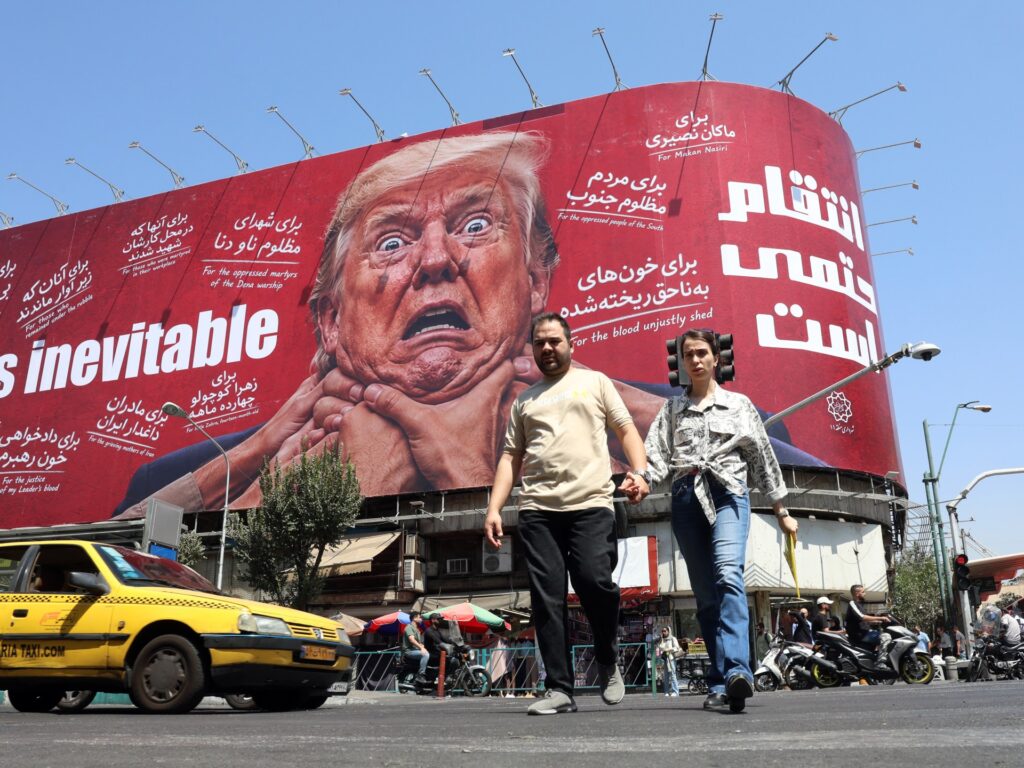
Over the past seventy years, the United States has engaged in numerous regime change operations across the globe. These interventions have often been justified on various grounds, including the promotion of democracy, protection of national security, and containment of perceived threats during the Cold War and beyond. However, the outcomes of these operations have frequently been complex and fraught with unintended consequences.
One of the earliest and most notable examples is the 1953 CIA-backed coup in Iran, which overthrew the democratically elected Prime Minister Mohammad Mossadegh. The US supported the reinstatement of the Shah, whose authoritarian rule eventually led to widespread dissatisfaction and the Islamic Revolution of 1979. This intervention not only reshaped Iranian politics but also sowed long-term distrust between Iran and the United States.
Beyond Iran, US regime change efforts have extended to Latin America, Southeast Asia, Africa, and the Middle East. Countries like Guatemala (1954), Chile (1973), Vietnam, and Iraq have experienced the direct or indirect effects of US interventions aimed at installing or supporting governments favorable to American interests. Often, these actions led to civil unrest, prolonged conflicts, and significant loss of civilian lives.
The financial cost of these operations has been enormous, with billions spent on covert operations, military deployments, and reconstruction efforts. Militarily, the US has frequently found itself entangled in protracted conflicts with ambiguous objectives and outcomes, as seen in Vietnam, Afghanistan, and Iraq.
Human costs have included massive casualties, displacement of populations, and broken social fabrics. Regime changes sometimes resulted in power vacuums exploited by extremist groups, further destabilizing regions.
Critics argue that US interventions have undermined global norms of sovereignty and self-determination, perpetuating cycles of instability and resentment. Conversely, proponents claim these efforts have occasionally toppled dictatorships and prevented the spread of hostile ideologies.
In recent years, the pattern of regime change has evolved with increased reliance on economic sanctions, cyber operations, and proxy conflicts. Nonetheless, the fundamental challenges remain, raising questions about the effectiveness and ethical implications of such interventions.
In summary, seven decades of US regime change efforts reveal a pattern marked by significant human suffering, financial burden, and geopolitical complexities. While some strategic goals have been achieved, the long-term consequences often complicate the legacy of these interventions, urging policymakers to reassess approaches toward foreign policy and international relations.