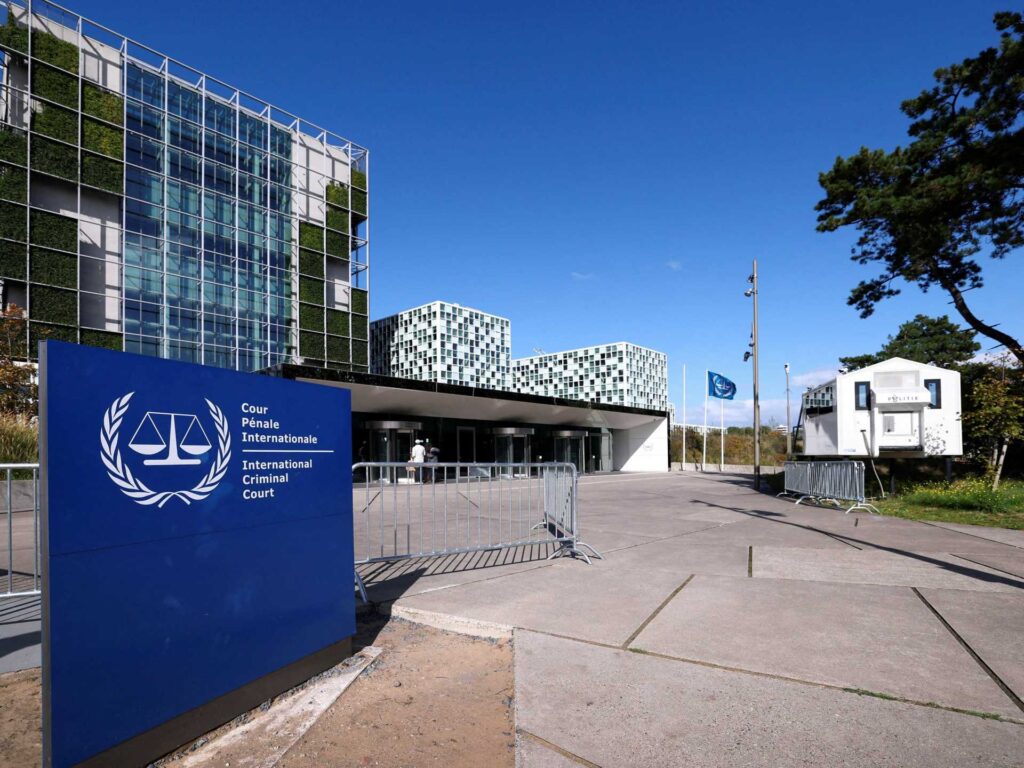
The United States has imposed sanctions on Tomoko Akane, the president of the International Criminal Court (ICC), along with Abdoulaye Seye, a leading trial lawyer at the ICC. This unprecedented move marks a significant escalation in the ongoing tensions between the US government and the ICC, an institution that the US has often criticized for its investigations and jurisdiction over American military personnel and allies.
Sanctions typically involve measures such as asset freezes and travel bans, aiming to exert pressure or signal disapproval of the targeted individuals’ actions. In this case, the sanctions against the ICC president and a top legal official highlight the strained relationship and could have profound implications for international justice and cooperation.
The ICC, headquartered in The Hague, Netherlands, is a permanent international tribunal established to prosecute individuals for genocide, crimes against humanity, war crimes, and crimes of aggression. Its role is to complement national courts and ensure accountability when domestic systems are unwilling or unable to prosecute serious crimes.
Tomoko Akane, as the president of the ICC, plays a crucial role in the administration and functioning of the court, representing its interests on the world stage. Abdoulaye Seye, as a trial lawyer, is instrumental in investigating and prosecuting cases brought before the court.
The US has historically maintained a cautious stance towards the ICC, arguing that it could infringe on US sovereignty and potentially expose US personnel to politically motivated prosecutions. The Biden administration, while more engaged with international institutions than its predecessor, has nonetheless upheld certain reservations about the court.
The recent sanctions come amid ongoing scrutiny of the ICC’s investigations, including inquiries into alleged war crimes committed by various actors in conflict zones where US interests are involved. The US government’s action could complicate cooperation with the ICC and affect international justice efforts.
Critics of the sanctions warn that such measures undermine the ICC’s independence and could set a precedent for politicizing international justice institutions. Advocates for the court stress the importance of global accountability mechanisms and the need to support judicial bodies that address impunity for the gravest crimes.
International reactions have been mixed, with some governments expressing concern about the impact on the rule of law and others endorsing the US position. The sanctions may influence diplomacy and negotiations related to the ICC’s mandate and authority.
Legal experts note that the tension between the US and ICC underscores broader challenges in balancing national sovereignty with global justice initiatives. The situation remains dynamic, with potential developments depending on diplomatic engagements and legal proceedings in the near future.
Overall, the US sanctions against the ICC president and a top lawyer represent a critical juncture in international law and diplomacy, highlighting the complex interplay between powerful nations and international judicial institutions.