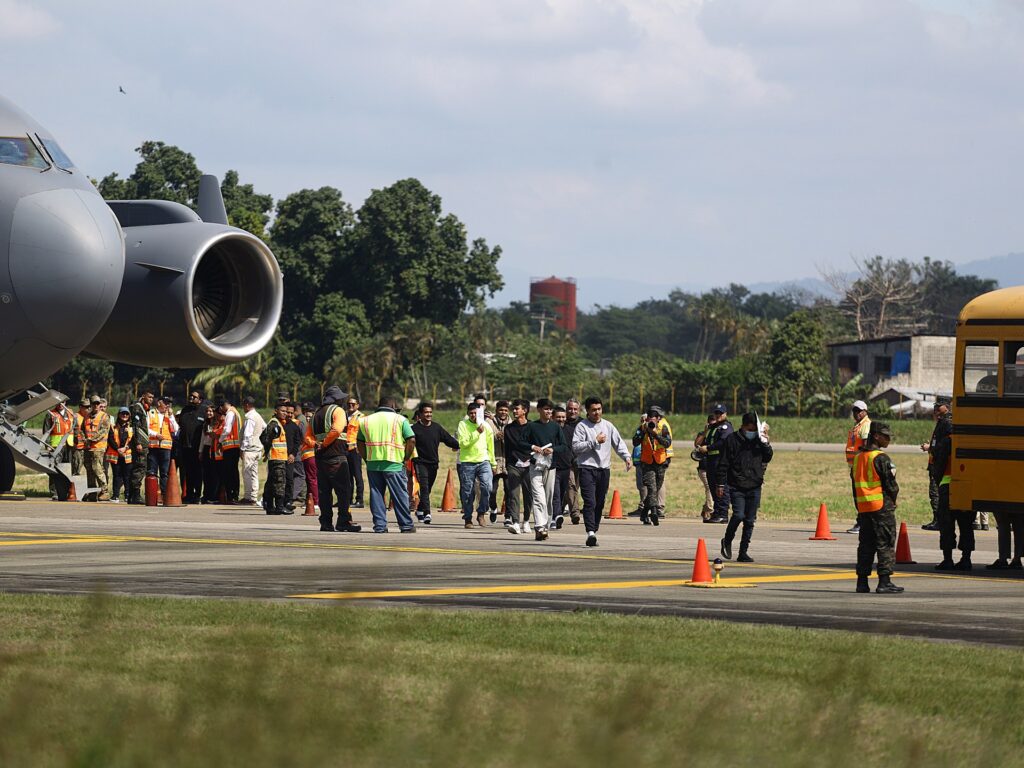
Liberia is set to receive a total of 1,200 deportees from the United States, marking a significant development in the two countries’ immigration cooperation. The initial group of 20 deportees is scheduled to arrive in Liberia in the coming days, signalling the start of this substantial repatriation effort.
The decision to repatriate these individuals comes as part of broader efforts to manage immigration flows and address issues related to undocumented migrants. The US government has been collaborating with various countries to ensure the orderly return of their nationals who have overstayed or violated immigration laws.
Liberia’s acceptance of this large number of deportees is notable given the country’s historical challenges with migration and its economic conditions. Authorities in Liberia have expressed readiness to receive and reintegrate the returnees, providing support to help them rebuild their lives.
The first batch of 20 deportees will be closely monitored as they reintegrate into Liberian society, with government agencies working alongside community organizations to facilitate their transition. This includes assistance with housing, employment, and access to social services.
Experts highlight that effective reintegration programs are critical to preventing recidivism and ensuring that returnees contribute positively to their communities. Liberia’s proactive approach could serve as a model for other countries facing similar situations.
The arrival of the deportees is expected to stir discussions on immigration policy, enforcement, and humanitarian considerations both in Liberia and the international arena. It underscores the complexities of global migration and the need for cooperative frameworks to manage these challenges.
In summary, Liberia’s acceptance of 1,200 deportees from the US, beginning with the arrival of the first 20, represents a pivotal moment in immigration relations between the two countries. It reflects ongoing efforts to balance law enforcement with humanitarian and developmental concerns, aiming for sustainable solutions in managing population movements.