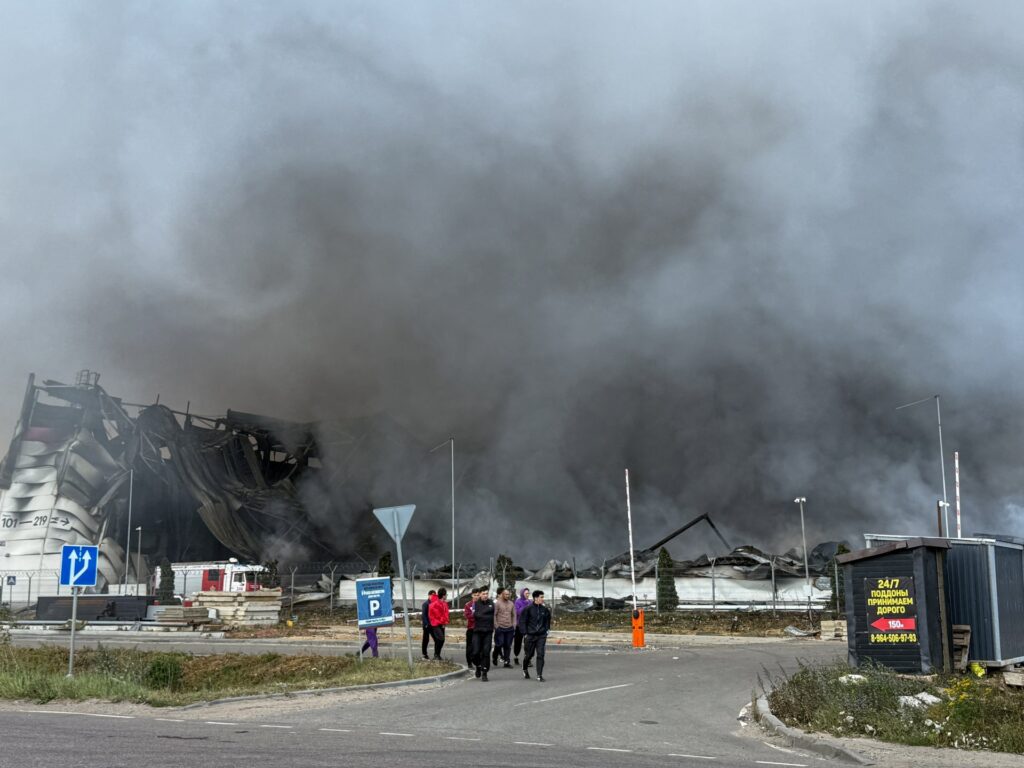
In recent developments amid the ongoing conflict in Ukraine, Russia has issued stern warnings to the United Kingdom, threatening unspecified ‘consequences’ in response to the use of long-range drones reportedly supplied or supported by the UK in attacks on Russian soil. This escalation comes as Ukraine increasingly employs drone technology to target strategic assets within Russia, marking a significant shift in the battlefield tactics that extend the conflict across borders.
The use of drones has allowed Ukraine to conduct precise strikes on vital Russian military and logistical infrastructure deep within Russian territory. These attacks have reportedly caused disruptions and exposed vulnerabilities, signaling a new phase in the conflict characterized by increased technological warfare.
Russia’s leadership has publicly blamed the UK for enabling these incursions, accusing it of supplying or facilitating the transfer of drone technology to Ukraine. The Russian government sees this as a direct act of aggression and interference in its internal affairs. The threats of consequences by Russia indicate the seriousness with which Moscow views the UK’s involvement.
Analysts suggest that the drone attacks represent a strategic escalation that complicates the conflict, broadening the theater of war beyond Ukrainian borders. It also highlights the growing role of drones in modern warfare, where remote capabilities allow for deep strikes without risking pilot lives.
The UK’s exact involvement remains officially undisclosed, but Western support to Ukraine has included a range of military aid designed to strengthen its defense capabilities. The UK’s stance on the conflict is rooted in support for Ukraine’s sovereignty and territorial integrity.
This backdrop paints a complex picture of international relations, where drone warfare is not only a tactical military issue but also a geopolitical flashpoint. Russia’s threats may signal potential retaliatory actions or diplomatic escalations targeted at the UK or other Western nations involved.
Experts warn that this dynamic could intensify the conflict, potentially resulting in broader military confrontations or increased sanctions and political pressures. The situation underscores the fragile and volatile nature of the war in Ukraine, with wide-reaching implications for regional and global security.
In conclusion, Russia’s threats towards the UK stemming from drone attacks underscore the significant and evolving role of unmanned technologies in the Ukraine conflict and reflect the broader geopolitical rivalries playing out through proxy and direct engagements. The international community remains watchful as these tensions develop, with hopes for de-escalation but preparedness for further conflict escalation.