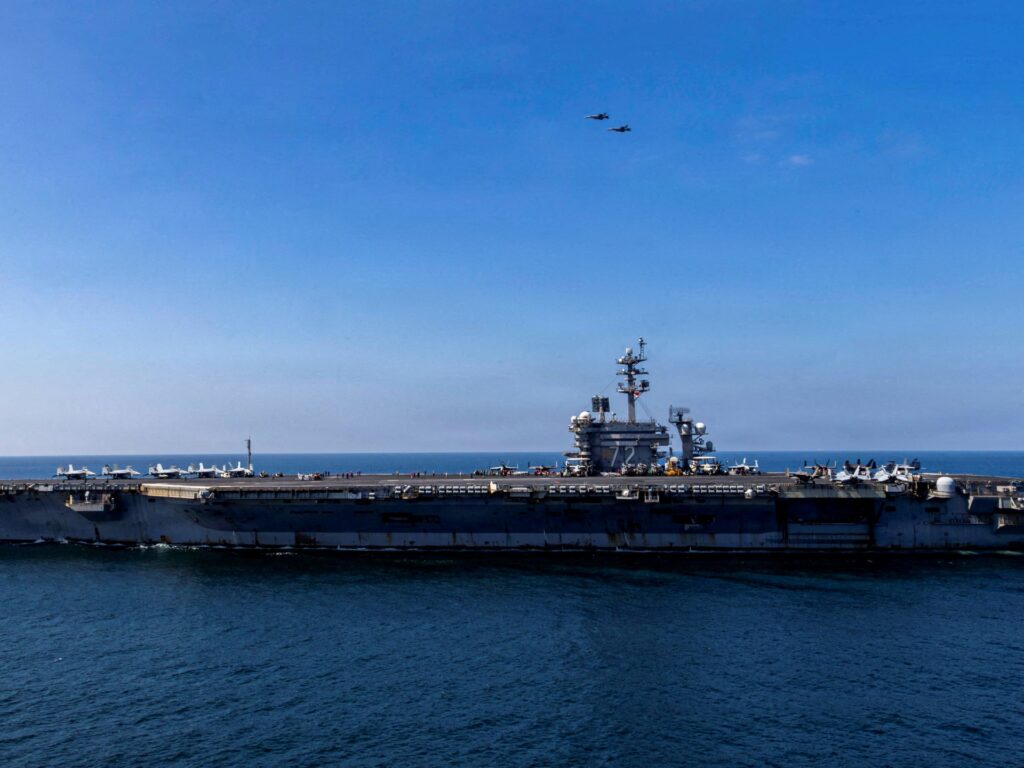
The recent USS Abraham Lincoln crisis has brought to light the significant challenges faced by naval personnel during extended deployments. This situation underscores the immense strain prolonged missions place on crew morale and operational readiness, highlighting an issue that has historical precedence in U.S. naval operations.
Aircraft carriers like the USS Abraham Lincoln are pivotal to U.S. military strategy, serving as mobile airbases that project power globally. However, their effectiveness depends heavily on the well-being and preparedness of their crews, who often endure months away from home under demanding conditions.
Comparatively, past deployments of aircraft carriers have varied in length, but recent trends toward extended missions have amplified the psychological and physical toll on sailors. In earlier decades, deployments typically lasted around six months, whereas contemporary missions can extend beyond eight or even ten months due to geopolitical tensions and operational demands.
The USS Abraham Lincoln’s recent crisis reflects this trend, exposing cracks in personnel endurance and support systems. Morale decline during extended deployments manifests through increased stress, fatigue, and instances of interpersonal conflicts, which can affect overall ship performance and safety.
Historically, the U.S. Navy has faced similar challenges. For instance, during the Vietnam War, prolonged carrier deployments tested sailors’ resilience, prompting the institution of programs aimed at improving mental health and recreational facilities onboard. Similarly, during the Gulf War and subsequent conflicts, the Navy refined crew rotation policies to mitigate burnout.
Despite these efforts, the evolving nature of global threats and persistent operational tempo have made it difficult to maintain balance. The increased reliance on aircraft carriers for continuous presence missions means crews often have fewer breaks between deployments, limiting recovery time and exacerbating stress.
The USS Abraham Lincoln crisis also underscores the need for enhanced support mechanisms, such as expanded mental health services, improved onboard amenities, and possibly shorter deployment cycles. Comparisons with allied navies suggest that some countries employ more frequent crew rotations or have smaller deployment footprints to preserve morale.
Operational readiness can also suffer during prolonged deployments. Fatigue and lowered morale can lead to lapses in vigilance and inefficiencies, which are critical concerns given the strategic importance of aircraft carriers. Ensuring sailors are fit for duty is paramount to mission success and the safety of the vessel.
Lessons from past deployments highlight the importance of maintaining a sustainable tempo and investing in the welfare of naval personnel. Technological advancements, such as improved communication tools, have helped sailors stay connected with families, but these measures have limitations.
In conclusion, the USS Abraham Lincoln crisis is a stark reminder of the human element behind naval power. While the strategic value of aircraft carriers remains undisputed, balancing operational demands with crew welfare is essential. Addressing this balance will require innovative policies and continued attention to the lessons learned from both history and current experiences to ensure that U.S. naval aviation continues to perform effectively and safely on the world stage.