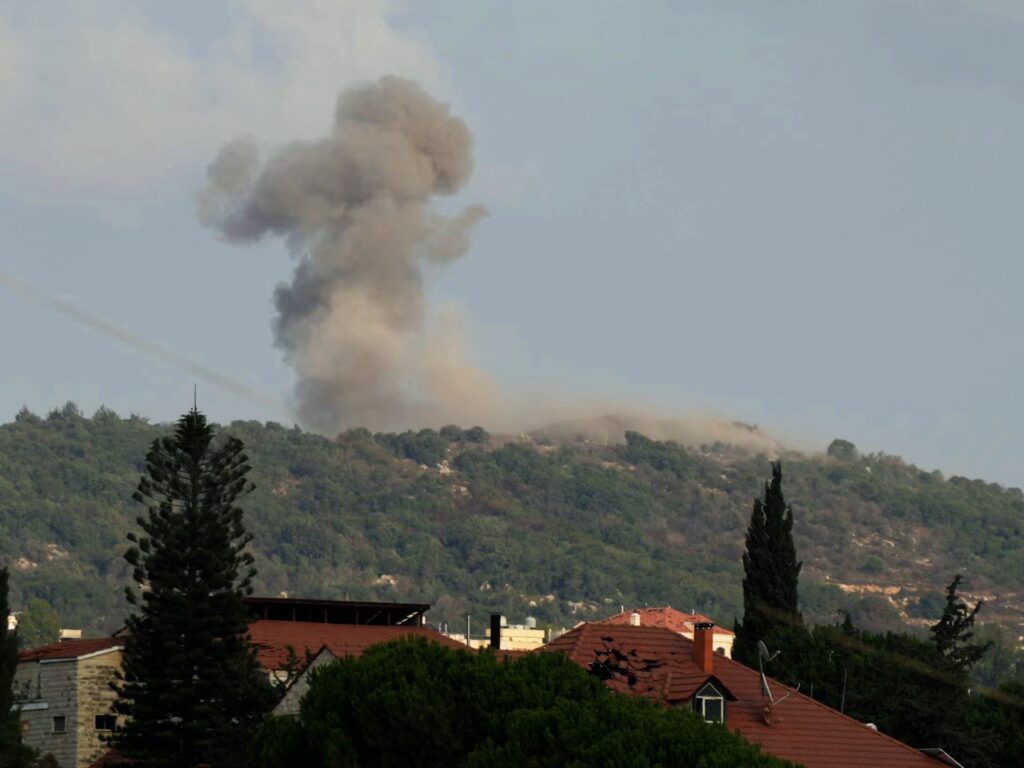
In recent developments in the Middle East, Israeli airstrikes in southern Lebanon have resulted in the deaths of 11 individuals, exacerbating tensions in the already volatile region. These military actions mark a significant escalation in the ongoing conflict between Israel and Hezbollah, the Lebanese militant group and political party.
The strikes targeted various locations in southern Lebanon, an area known for Hezbollah’s strong presence. This operation comes against a backdrop of increasing hostilities, with both sides exchanging fire and threats over recent weeks.
Hezbollah responded emphatically to the attacks, issuing a warning that Israel’s military actions would be met with an “appropriate response.” The group has historically demonstrated a capacity and willingness to retaliate, raising concerns of further escalation that could destabilize the region further.
The international community has expressed alarm over the violence, urging restraint from both parties. The conflict between Israel and Hezbollah has deep roots, involving complex geopolitical, religious, and territorial disputes that continue to challenge peace efforts.
Southern Lebanon has seen repeated bouts of violence due to the proximity of Hezbollah operations to the Israeli border. The recent strikes underscore the fragile nature of the ceasefire agreements that have been intermittently maintained in the area.
The United Nations and various global powers have called for measures to de-escalate the situation, emphasizing the importance of dialogue and diplomacy to prevent a broader conflict. Civilian casualties, such as those reported in the recent attacks, have drawn widespread condemnation and highlighted the urgent need for conflict resolution.
Meanwhile, Israel maintains that its strikes are defensive measures aimed at preventing attacks from Hezbollah. Israeli officials have reiterated their commitment to safeguarding their nation’s security and responding decisively to threats.
As the situation develops, there is growing concern about the humanitarian impact on civilians caught in the crossfire. International aid organizations are monitoring the situation closely, focusing on providing relief and support to those affected by the violence.
The cycle of attack and retaliation threatens to spiral into a larger conflict, with potential repercussions for stability across the Middle East. Diplomatic channels remain crucial in managing tensions and seeking a sustainable resolution to the hostilities between Israel and Hezbollah.
This recent surge in violence serves as a stark reminder of the enduring complexity and volatility of the Israeli-Lebanese border region. The prospect of renewed fighting underscores the need for concerted efforts towards peace and stability, which are essential for the well-being of all communities involved.