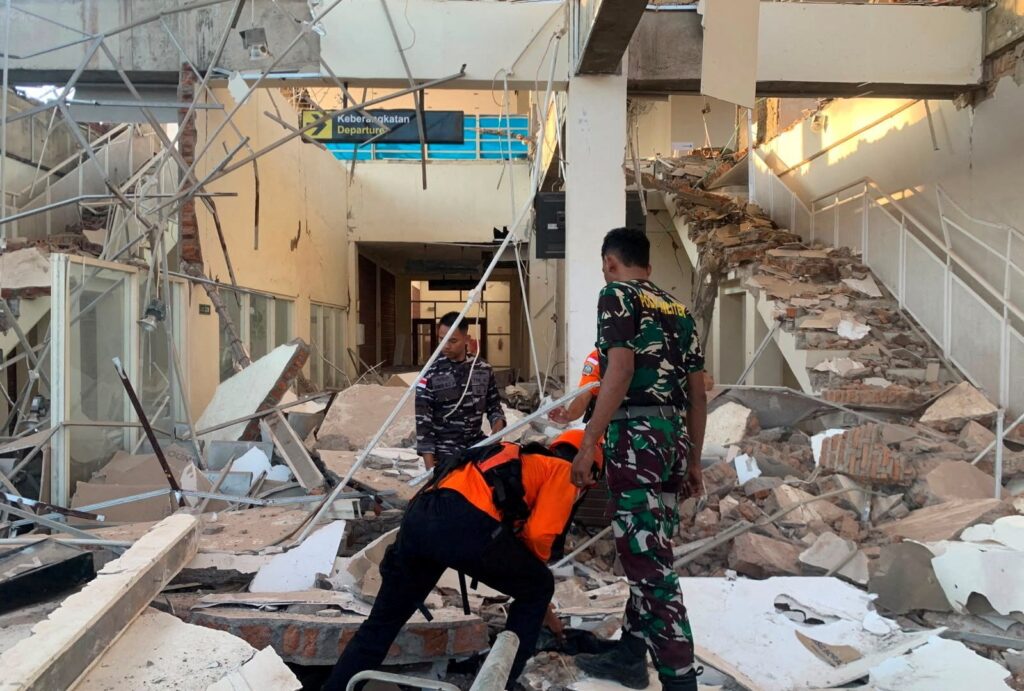
In the early hours of Saturday, a devastating earthquake with a magnitude of 7.7 struck off the eastern coast of Indonesia, resulting in at least five confirmed deaths. The seismic event rattled communities, causing widespread fear and immediate emergency responses throughout the affected areas.
The earthquake originated under the ocean floor, triggering significant tremors that were felt across multiple islands in eastern Indonesia. Authorities reported that the earthquake was powerful enough to cause structural damage to buildings and infrastructure, particularly in the coastal regions closest to the epicenter.
Emergency teams were quickly dispatched to assess the situation and provide assistance to those impacted by the quake. Initial reports indicated damage to homes, public facilities, and roads, complicating rescue efforts. Local hospitals were on high alert to receive casualties, and temporary shelters were set up for displaced residents.
Indonesia sits on the Pacific Ring of Fire—a highly seismic area known for frequent volcanic eruptions and earthquakes. The region’s geological volatility means earthquakes of this magnitude are not uncommon, but each event poses substantial risks to life and property.
Local government officials urged residents to remain vigilant and follow safety protocols, including moving to higher ground where necessary, particularly due to the risk of tsunamis following large undersea quakes. Tsunami warnings were promptly issued and later lifted as authorities confirmed no significant waves were expected.
The National Disaster Mitigation Agency (BNPB) is coordinating with regional authorities to conduct damage assessments and provide emergency relief. Efforts include restoring communication lines, delivering medical supplies, and mobilizing search and rescue teams.
The international community expressed solidarity with Indonesia, with various countries offering support and assistance to deal with the aftermath of the earthquake. Humanitarian groups are also mobilizing resources to aid affected populations.
Residents recounted harrowing experiences as the earthquake struck—many waking abruptly to intense shaking that lasted several seconds. The psychological impact on communities is significant, with many facing trauma and uncertainty about aftershocks.
Efforts to rebuild and recover are anticipated to take months due to the scale of destruction. Authorities are calling for coordinated action to support recovery while addressing the long-term need for improved infrastructure resilience against future seismic events.
This latest earthquake serves as a stark reminder of the natural hazards facing Indonesia, underscoring the critical importance of disaster preparedness and community awareness in mitigating the impact of such disasters.
Ongoing monitoring of seismic activity in the region continues as emergency services remain on high alert for potential aftershocks, which could further impact already vulnerable areas. The government urges citizens to stay informed through official channels and adhere strictly to any emergency instructions.
As rescue operations proceed, the focus remains on saving lives, providing essential aid, and restoring normalcy as quickly as possible. The resilience and cooperation of the Indonesian people will be key in overcoming this challenging situation which has shaken eastern Indonesia to its core.