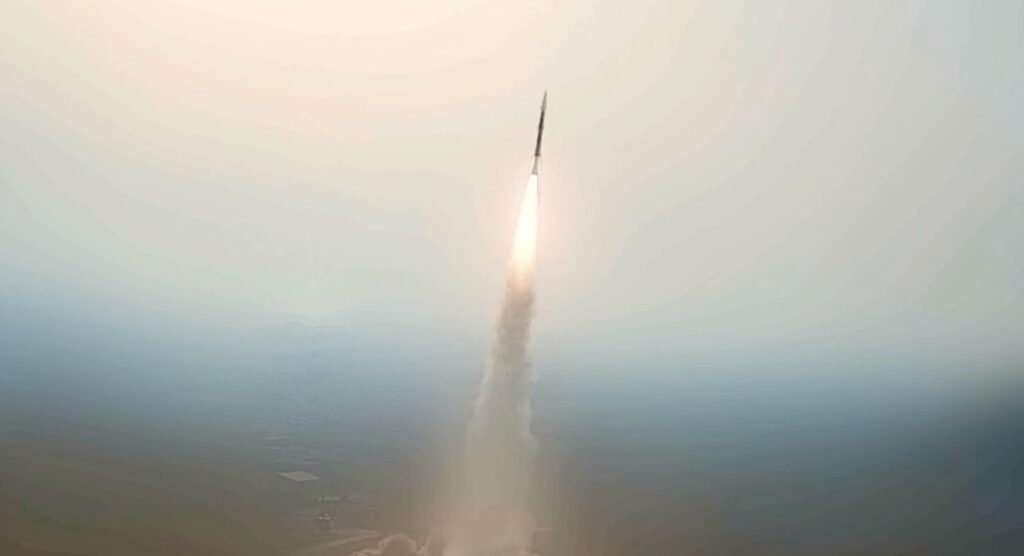
The United States recently declared that it has effectively destroyed Iran’s ballistic missile capability, marking a significant development in the ongoing geopolitical tensions between the two nations. According to official US statements, military operations and strategic strikes have targeted key missile facilities and infrastructure across Iran, severely impairing the country’s ability to deploy its ballistic missile arsenal.
However, these claims have been met with skepticism from experts and former officials familiar with the region’s geopolitics and military capabilities. A former White House adviser dismissed the US assertions as a “pipe dream,” suggesting that the actual damage done to Iran’s missile program may be far less comprehensive than portrayed by the US government.
Iran’s ballistic missile program has long been a point of contention, viewed by Tehran as a critical element of its national defense strategy and by Washington as a destabilizing factor in the Middle East. Over the years, Iran has invested heavily in developing missile technology, which experts say includes a spectrum of short, medium, and long-range ballistic missiles.
The US military actions, reportedly involving precision strikes and advanced intelligence capabilities, aimed to neutralize missile production sites, storage facilities, and launch capabilities. Despite these efforts, Iran has retained a resilient missile development infrastructure, often dispersed and concealed to withstand such military interventions.
Analysts highlight that destroying a nation’s ballistic missile capability is an exceedingly complex task, requiring sustained multi-dimensional operations and verification over time. Missile components, blueprints, and technology are often spread across various secretive sites, and the knowledge to rebuild remains within military and scientific personnel.
Furthermore, Iran’s missile program is considered an integral part of its deterrent posture, making it unlikely that the country would completely abandon or fail to recover these assets quickly. The Iranian government has publicly vowed to continue advancing its missile technology irrespective of external pressures.
Geopolitical analysts also point out that the US’s declaration might serve strategic communication goals, signaling strength to allies and adversaries alike, and justifying ongoing sanctions and military presence in the region.
The real impact of the US operations on Iran’s missile capability will likely become clearer over the coming months as intelligence and diplomatic signals emerge. Historically, similar claims have been met with proven resilience and regeneration of Iran’s missile forces.
In conclusion, while the US announces significant success in crippling Iran’s ability to deploy ballistic missiles, expert opinions and historical context suggest a more cautious interpretation. The destruction of Iran’s ballistic missile capability may not be as complete or permanent as stated, underscoring the complexities inherent in such military engagements and the enduring nature of geopolitical conflicts in the Middle East.