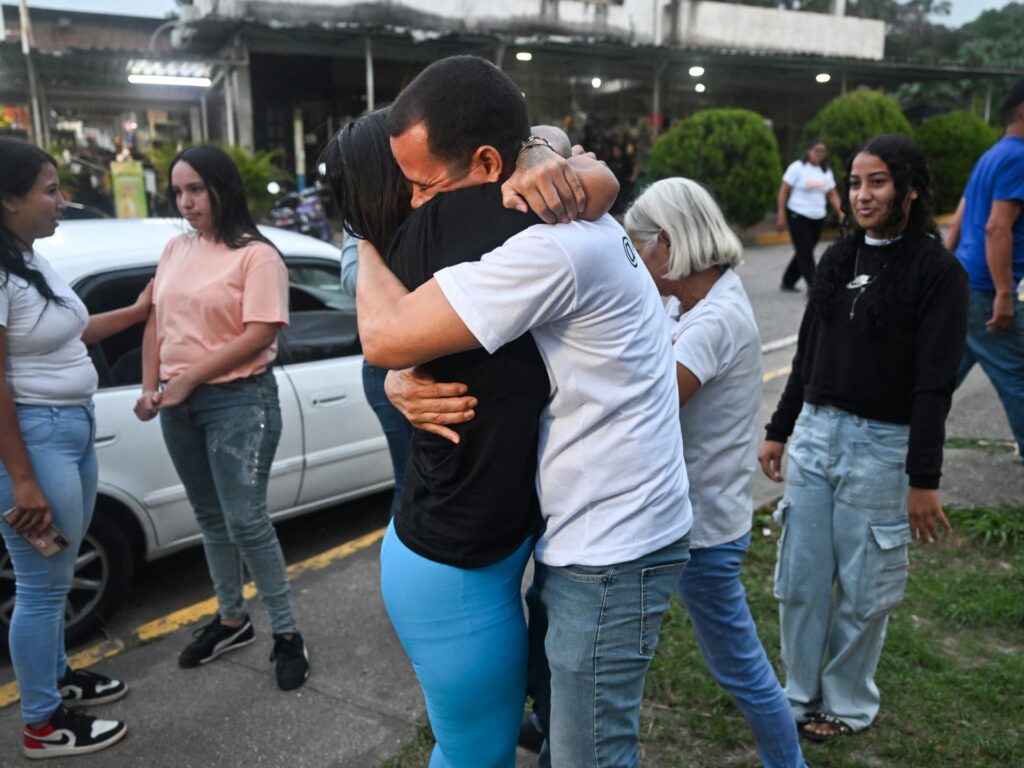
In a significant development amid ongoing political negotiations in Venezuela, the government announced the release of 131 political prisoners. This decision marks a pivotal moment in the country’s efforts to move past the tumultuous Maduro era and foster national reconciliation.
The detainees were granted alternatives to imprisonment, which has been welcomed both domestically and internationally as a positive gesture. This move is seen as a crucial step in improving Venezuela’s political climate and building bridges between opposing factions.
The United States responded positively to the announcement, praising the release as a vital step towards resolving Venezuela’s deep-seated political crisis. U.S. officials expressed hope that this action would lead to further dialogue and cooperation between the Venezuelan government and the opposition.
Political prisoners in Venezuela have often been a symbol of discord and repression under the Maduro administration. Their release suggests a possible shift in governmental policy towards a more conciliatory approach.
Local activists and human rights organizations have cautiously welcomed the news, though many stress the importance of ongoing efforts to ensure justice and fair treatment for all political detainees.
The post-Maduro talks, which have been ongoing for several months, aim to stabilize the nation after years of economic decline, hyperinflation, and political instability. The prisoner releases are viewed as a humanitarian action and a confidence-building measure essential for the continuation of these talks.
Observers note that Venezuela’s path to recovery is complex and fraught with challenges, but steps such as this release could pave the way for more substantial reforms. Negotiators hope that these actions will ease tensions and promote a more inclusive political process.
Despite the applause from many quarters, some skepticism remains about the durability of this reconciliation gesture. Critics warn that without systemic changes and guarantees of political freedoms, such releases may be temporary and symbolic.
Nevertheless, this development is being hailed as an initial breakthrough that might renew hope for Venezuela’s future. Political prisoners freed under alternatives to detention reflect a new chapter where dialogue and justice begin to replace confrontation and incarceration.
As Venezuela continues to navigate these delicate political waters, the international community watches closely, encouraging further steps toward peace, human rights, and economic revival.
In summary, the freeing of 131 political prisoners in Venezuela amid post-Maduro talks is a landmark event signifying potential progress toward national reconciliation. With the international community’s support, this move could herald broader cooperation and a brighter outlook for a country that has long struggled with division and hardship.