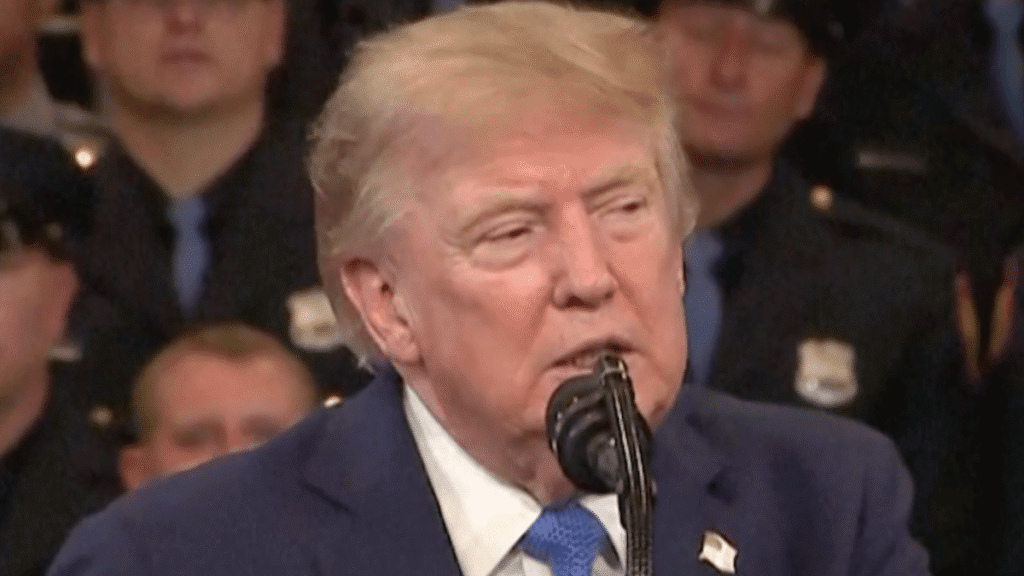
In a startling development on the international stage, US President Donald Trump has declared his intention to soon designate the Strait of Hormuz as US territory. This announcement carries significant geopolitical weight given the strategic importance of the Strait of Hormuz, a vital waterway that serves as a conduit for a large portion of the world’s petroleum shipments. The Strait, situated between the Persian Gulf and the Gulf of Oman, is a narrow passage through which a substantial percentage of global oil exports are transported, making it a critical chokepoint for international energy markets.
President Trump’s statement suggests a bold shift in US policy towards the region, potentially escalating tensions with Iran and other Gulf states. Historically, the Strait has been a hotspot for maritime confrontations and disputes involving various nations due to its economic and strategic significance. The US has maintained a military presence in the region but declaring the strait as US territory would mark a substantial change in asserting sovereignty over this international waterway.
Such a move could have far-reaching implications for global diplomacy, security, and energy supply chains. It may provoke responses from Iran, which considers the Strait within its sphere of influence and is likely to oppose any unilateral claims by the US. Moreover, this declaration could alter the dynamics of international maritime law and freedom of navigation agreements that currently govern the passage.
Experts have warned that this announcement might heighten geopolitical instability in an already volatile region. The potential for increased military confrontations, disruptions to oil shipments, and heightened diplomatic frictions could impact global markets and international alliances. Furthermore, the move may invite criticism from allies and adversaries alike, complicating the US’s relations on the global front.
The timing of President Trump’s pronouncement is notable, coming amid fluctuating oil prices and ongoing tensions in the Middle East. The declaration may be interpreted as a strategic maneuver to assert US dominance and secure critical energy routes. However, the backlash could overshadow any intended benefits, risking regional escalation and economic repercussions worldwide.
In response to the announcement, international leaders and analysts are closely monitoring the situation, assessing the potential consequences for regional security and international law. The global community is poised to react to this unprecedented assertion of control over an internationally significant maritime passage.
As the Trump administration moves toward formalizing the declaration, questions remain about the legal basis, enforcement mechanisms, and international response. The transition from announcement to action could shape the future of the Strait of Hormuz and the broader geopolitical landscape. This development underscores the intricate balance of power, resource control, and diplomatic engagement that defines the contemporary international order.