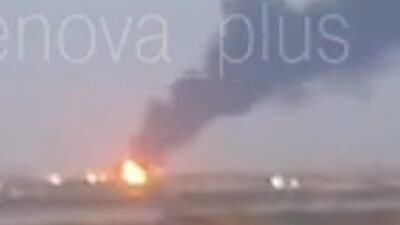
In recent developments on the eastern front of the ongoing conflict, Russian ballistic missile strikes have markedly intensified, further escalating the situation in Ukraine. These attacks are part of a broader effort by Russian forces to exert pressure and regain strategic advantages.
Amidst this surge in hostilities, Ukrainian forces have reported significant progress in the Dnipropetrovsk region. Kyiv’s military leadership claims to have successfully liberated 26 settlements in the southern part of the country, marking a substantial territorial gain that boosts morale and strategic positioning.
The Ukrainian army faces relentless challenges as it simultaneously engages in offensive operations and defends against heavy bombardments. Despite these pressures, Ukraine’s retooling efforts, including the modernization and reorganization of its forces, appear to be yielding positive results on the battlefield.
The strategic importance of the Dnipropetrovsk region cannot be overstated, as it serves as a critical corridor connecting the east with central Ukraine. Control over this area is vital for both logistical support and military maneuverability. Ukraine’s advances here signal a possible shift in momentum, potentially disrupting Russian supply lines and command structures.
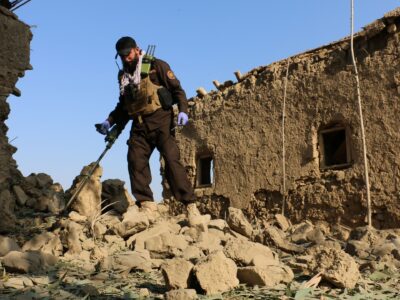
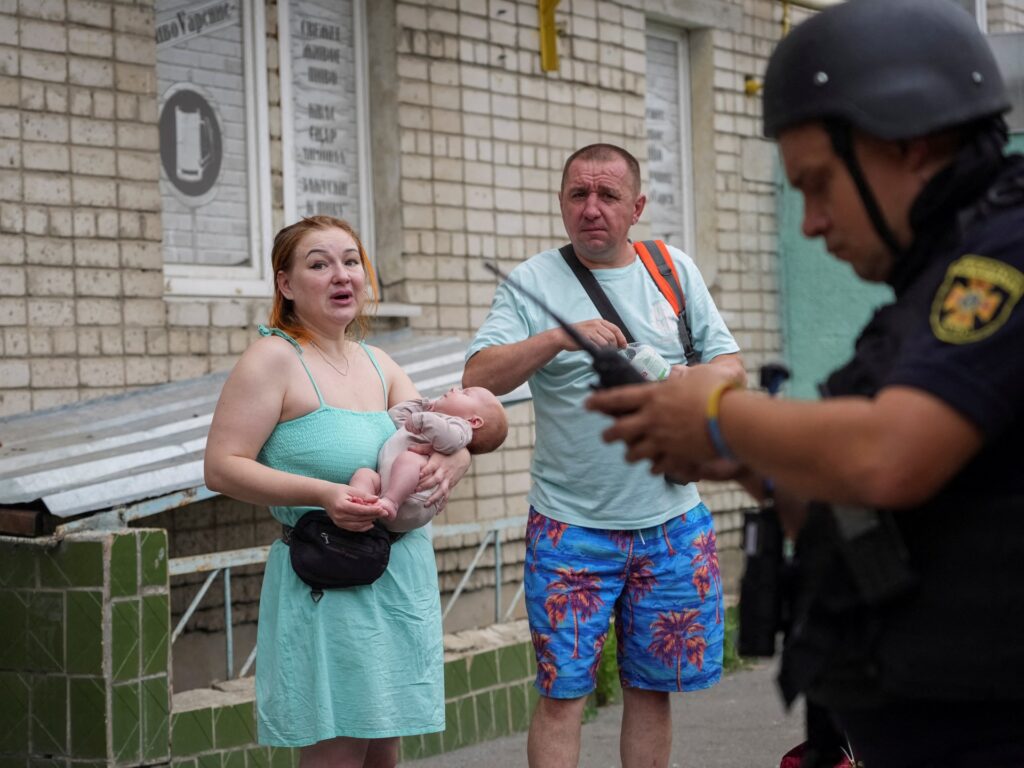
Russian missile attacks have targeted key infrastructure, aiming to weaken Ukraine’s resolve and military capabilities. Civilian areas have also suffered, with reports indicating significant damage and casualties, exacerbating the humanitarian crisis.
The international community continues to watch closely, with Western nations reaffirming support for Ukraine. Military aid, intelligence sharing, and diplomatic efforts aim to bolster Ukraine’s defense capabilities and pressure Russia to cease hostilities.
Analysts suggest that the intensified Russian missile campaign may be a response to Ukraine’s recent successes, attempting to slow their advance and inflict substantial damage. However, Ukrainian resilience and adaptive strategies seem to mitigate the effectiveness of these strikes.
In summary, the conflict remains dynamic and fluid. The Russian ballistic attacks reflect a heightened phase of aggression, while Ukraine’s liberation of settlements in the Dnipropetrovsk region highlights its determined counteroffensive. The outcome of these engagements will significantly impact the broader trajectory of the conflict and regional stability.