Recent sightings of drones in Bulgaria and Germany have raised alarms among European security experts and political leaders about the potential for Russian military escalation amidst the ongoing conflict in Ukraine. These incidents are increasingly being viewed as a worrying sign that Moscow’s war efforts against Kyiv might be extending beyond Ukraine’s borders, inadvertently or deliberately involving NATO member states.
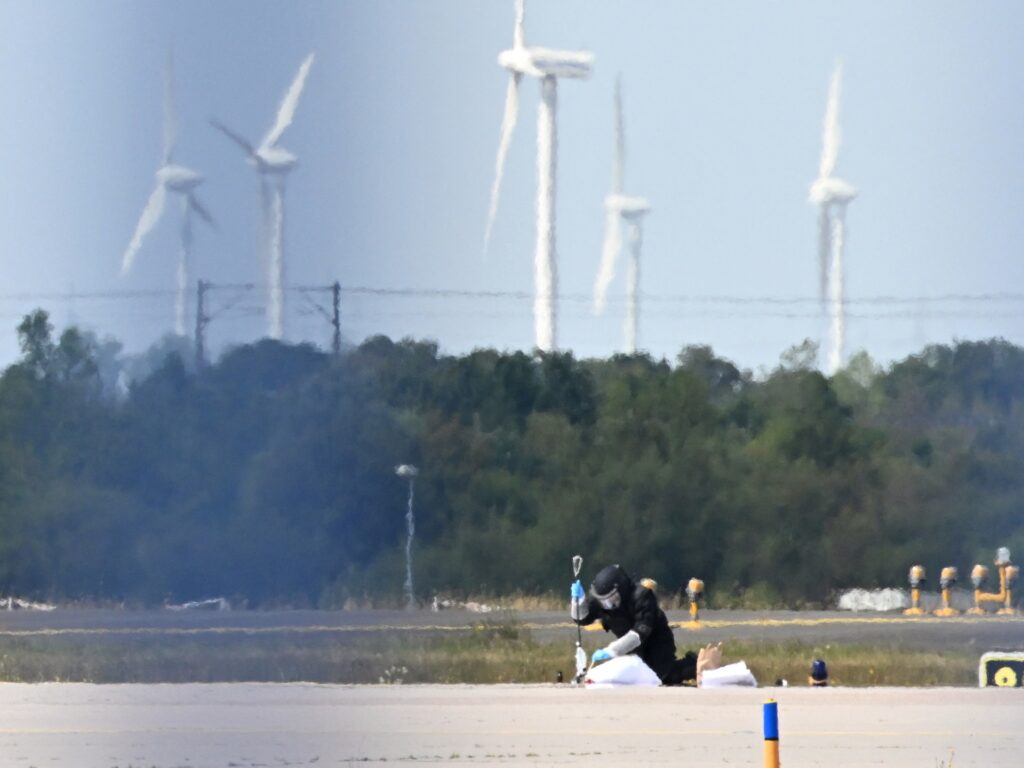
The drones, detected flying over sensitive areas in these countries, have triggered intensive investigations by military and intelligence agencies. In Bulgaria, the drones were spotted near key infrastructure, prompting heightened security measures and a swift government response. Similarly, in Germany, the detection of unauthorized drones near military installations has led to concern over the security of NATO’s heartland.
Experts suggest that these drone activities may serve multiple purposes for Russia, including surveillance, testing NATO’s response capabilities, or as provocations designed to send political messages. The use of drones in this context is a part of modern hybrid warfare strategies, which combine traditional military tactics with cyber operations and informational campaigns.
NATO has condemned the drone incidents, emphasizing the alliance’s commitment to protecting all member states and maintaining peace and stability in the region. Officials have called for increased vigilance and cooperation among allies to counter potential threats emanating from the conflict.
The Bulgarian and German drone sightings have intensified debates within NATO about the alliance’s readiness and the need for enhanced air defense systems. There is growing concern that Russia might escalate its tactics, potentially risking a broader conflict by engaging or targeting NATO countries.
The situation underscores the fragile security environment in Eastern Europe, where the conflict in Ukraine continues to have wider implications. It also highlights the challenges NATO faces in deterring aggression while avoiding unintended escalation.
European nations are now focusing on strengthening intelligence sharing, improving anti-drone technologies, and enhancing diplomatic efforts to prevent the conflict from spilling further into NATO territory. The incidents serve as a stark reminder of the complex and evolving nature of security threats originating from the Russian-Ukrainian war.
As Bulgaria and Germany deal with the immediate security impacts, the broader European community watches closely, aware that the stability of the region hangs in the balance. The drone incidents are not isolated but possibly indicative of a new phase in the conflict where indirect engagements and provocations could become more frequent.
In conclusion, the drone sightings in Bulgaria and Germany have reignited concerns about Russia’s intentions and the risk of the Ukraine war expanding into a wider confrontation involving NATO. The developments call for a measured but firm response from European countries and their allies to safeguard regional security and deter further escalation.