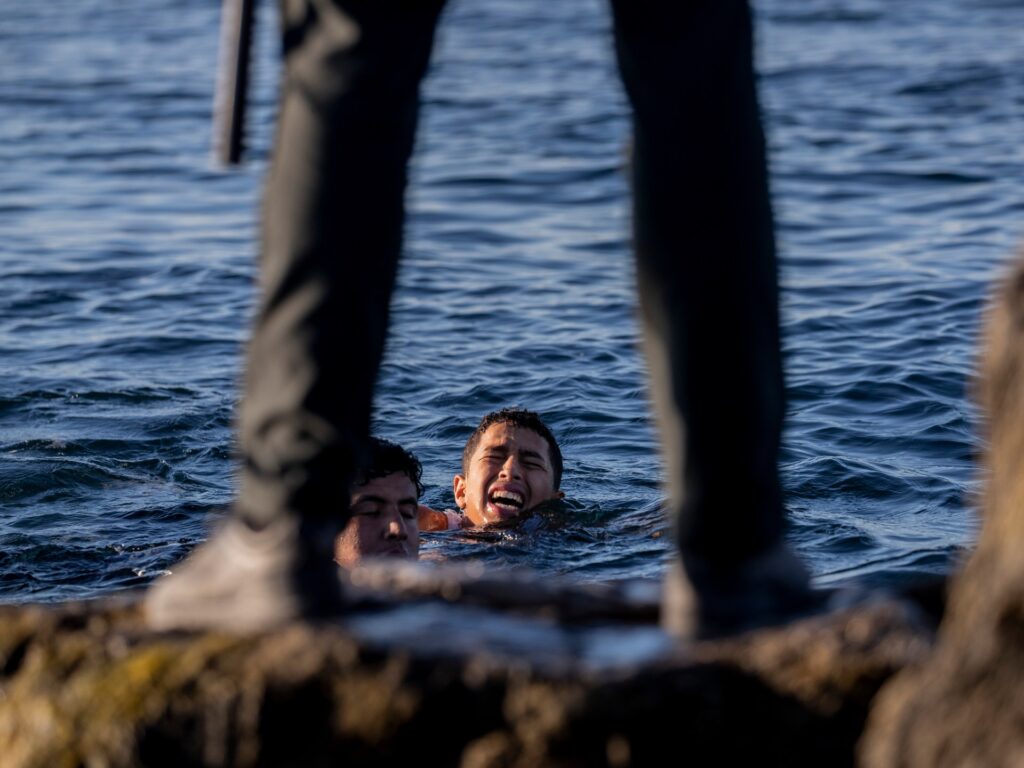
Ceuta, a Spanish enclave on the northern coast of Africa, has been thrust into the international spotlight following a deadly and unprecedented surge of migrants crossing its borders from Morocco. The leader of Ceuta recently revealed that approximately 100 people lost their lives in the desperate attempt to reach the enclave, underscoring the severe human cost of the border rush.
In the past weeks, Ceuta has witnessed an influx of up to 5,000 migrants, many of whom entered the enclave simultaneously in what officials describe as a chaotic and challenging situation. This mass movement has put immense pressure on local authorities and humanitarian organizations trying to manage the crisis.
The migrant surge comes amid ongoing tensions in the region and rising economic and social challenges that drive many to seek better opportunities in Europe. Ceuta, given its unique position as one of the few European territories on the African continent, acts as a gateway into the Schengen Area, intensifying its significance for migration flows.
In response to the crisis, the European Union has issued statements affirming that Spain has provided assurances regarding the security and integrity of the Schengen zone. EU officials have expressed confidence that the internal borders remain safe but also cautioned that Europe’s external borders are vulnerable and require enhanced cooperation and resources to prevent similar incidents.
Spain has committed to ramping up border control measures, increasing surveillance, and working closely with Moroccan authorities to manage and reduce irregular migration. The situation is also reigniting debates within the EU about migration policy, border management, and the humanitarian obligations of member states.
Human rights organizations have voiced concern over the tragedy, calling for increased rescue operations and better treatment of migrants caught in precarious circumstances. The loss of approximately 100 lives has been a grim reminder of the dangers faced by those attempting perilous border crossings.
Local authorities in Ceuta are struggling to provide adequate shelter, medical care, and support for the thousands who remain in the enclave after their crossing. The humanitarian response is hampered by limited resources and the ongoing pressure of managing a large population surge in a small, densely populated area.
The crisis also underscores the complex geopolitical dynamics between Spain and Morocco, whose bilateral relations influence border security and migration flows. Both countries face pressure to find sustainable solutions that address the root causes of migration while ensuring the safety and rights of migrants.
Looking ahead, the EU is expected to explore additional funding and collaborative strategies to bolster border security and humanitarian assistance. This includes technology deployment for border monitoring, joint training programs for border personnel, and enhanced legal frameworks for managing asylum seekers and migrants.
The Ceuta border crisis is a stark reminder of the interconnected challenges facing Europe in managing migration flows while upholding human rights and international agreements. It calls for solidarity, strategic planning, and a balanced approach aimed at preventing loss of life and promoting stability in the region.