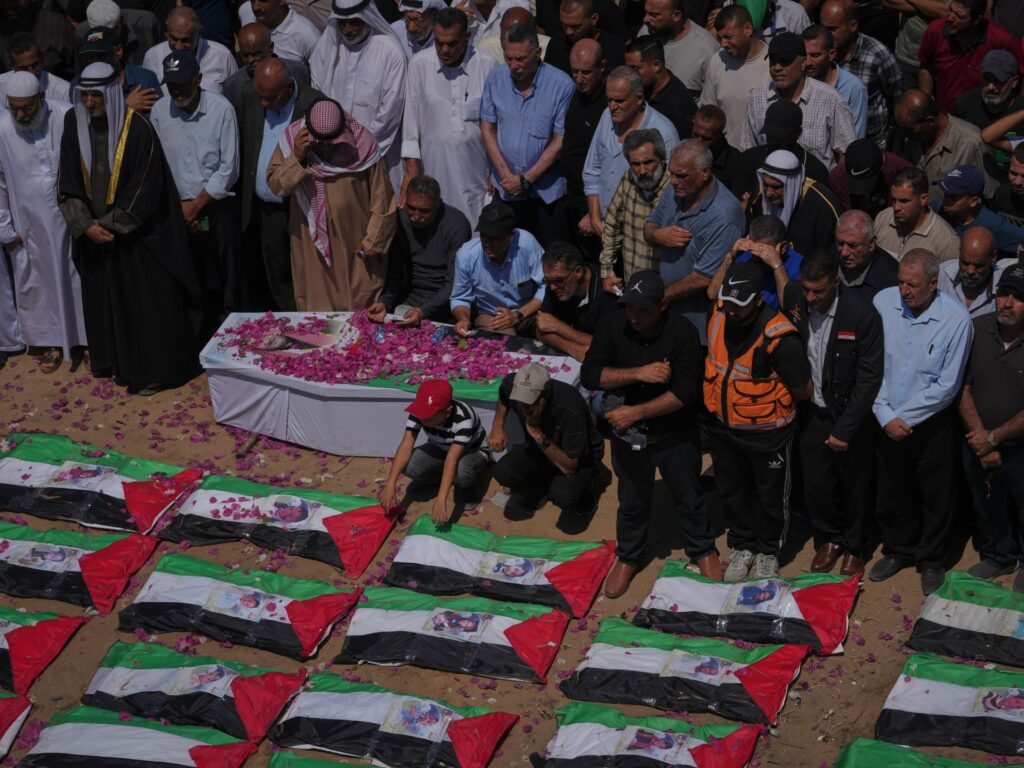
UNICEF has released a distressing report highlighting the continued toll on children in Gaza despite a truce agreed in October 2025 between Israel and Hamas. The report states that since the ceasefire, approximately 300 days ago, at least 300 children have been killed in Gaza, averaging one child death per day.
The ceasefire was intended to bring an end to hostilities and protect civilians in the region. However, the ongoing violence and unstable conditions have continued to impact children severely. UNICEF’s findings underscore the urgent need for sustained peace efforts and renewed focus on protecting children in conflict zones.
According to the report, children in Gaza face persistent dangers from unexploded ordnance, military operations, and the destruction of civilian infrastructure—including schools and hospitals. The agency calls on all parties involved to uphold international laws and prioritize the safety and well-being of children.
The report also highlights the broader humanitarian crisis, with many children lacking access to adequate healthcare, nutrition, and psycho-social support. The devastation has long-term effects on their development, education, and mental health.
UNICEF’s spokesperson emphasized that every child killed is a tragedy and called for the international community to redouble its efforts to achieve durable peace in the region. They stressed that children must not be collateral damage in conflicts and that their rights and safety need to be central to peace negotiations.
The 2025 ceasefire was initially hailed as a hopeful step toward ending decades of conflict between Israel and Hamas. However, the grim statistics reflect ongoing challenges and the fragile nature of peace in the region.
The report serves as a somber reminder that the protections afforded by ceasefires often fail to fully shield vulnerable populations, especially children, from the ravages of war. UNICEF’s call to action includes greater humanitarian access, adherence to ceasefires, and robust efforts to address the root causes of conflict.
In addition to the death toll, thousands of children suffer physical injuries and psychological trauma. Rehabilitation and support services remain insufficient, further complicating recovery efforts.
The international community, including governments and humanitarian organizations, faces the pressing task of implementing comprehensive measures to safeguard children and help them rebuild their lives post-conflict.
In summary, while the October 2025 ceasefire brought a reduction in large-scale hostilities, the ongoing daily toll on Gaza’s children highlights the urgent need for effective peace-building and protection mechanisms. UNICEF’s report is a stark appeal to all parties and the global audience to prioritize the lives and futures of children caught in the crossfire.