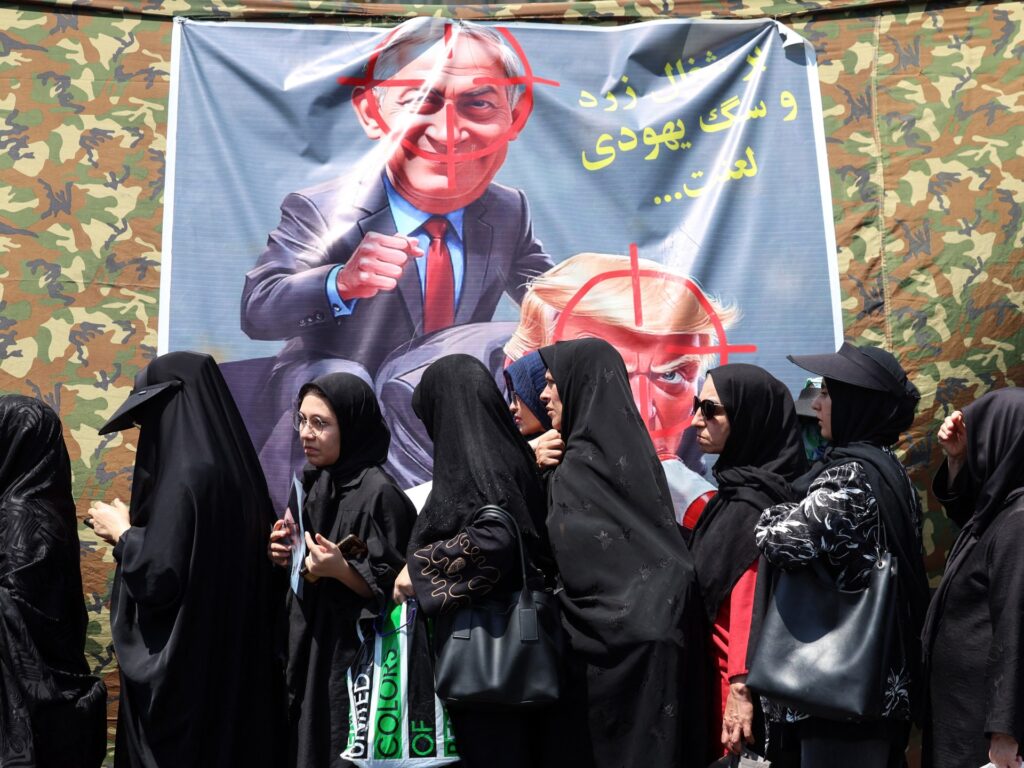
In recent weeks, Iran has significantly intensified its internal security measures amid escalating tensions with the United States. The country faces a tense atmosphere marked by an increase in executions, widespread arrests, and the closure of various public gathering spaces across several cities. These actions have stirred alarm both among Iranian citizens and international human rights organizations, highlighting concerns over the country’s commitment to civil liberties and justice.
Since the onset of these measures, numerous reports have surfaced about the sharp rise in executions, which many critics argue are politically motivated or part of oppressive tactics against dissent. Activists and opposition members fear the judiciary is being used as a tool for repression rather than for fair trials. Human rights groups have condemned what they describe as arbitrary detentions and lack of transparency surrounding many of these cases.
Alongside judicial crackdowns, Iranian authorities have shut down multiple venues traditionally used for public discourse, including community centers, coffee shops, and cultural hubs. This has significantly limited the spaces where citizens can express views freely and convene for social or political discussions. The closures come under the pretext of maintaining public order during what officials describe as unstable geopolitical conditions.
Citizens express growing unease as the heightened security presence, including frequent patrols and checkpoints, alters daily life. Many Iranians report feeling under constant surveillance and fear reprisals for any form of opposition or public demonstration. This growing climate of fear is seen by observers as a tactic to stifle dissent amid the ongoing crisis.
International reaction to Iran’s internal crackdown has been mixed but largely critical. Human rights organizations have appealed to the Iranian government to respect international human rights standards and to halt its campaign of repression. Some foreign governments have issued statements urging calm and dialogue, concerned that the internal instability could lead to broader regional consequences.
Analysts suggest that the Iranian government’s stringent measures are partly a response to continued pressure from the United States, with both nations currently in a state of prolonged geopolitical tension. With diplomatic talks stalled and military postures hardened, Tehran’s leadership appears to be tightening control internally to manage perceived threats and consolidate power.
The tightening of security within Iran comes at a time when the public is already burdened by economic hardships and the aftermath of the COVID-19 pandemic. Many experts warn that such government actions may undermine social cohesion and provoke further unrest if grievances remain unaddressed.
In summary, Iran’s recent security clampdown, characterized by increased executions, widespread detentions, and closure of public spaces, has raised serious concerns about human rights and political freedoms in the country. As the conflict with the United States continues to simmer, the domestic repercussions are increasingly visible, impacting the everyday lives of millions of Iranians and drawing international scrutiny.
The ongoing situation remains fluid, with potential implications for regional stability and the broader international community watching closely. Efforts toward dialogue and de-escalation will be critical in shaping Iran’s future trajectory and safeguarding the rights of its populace.