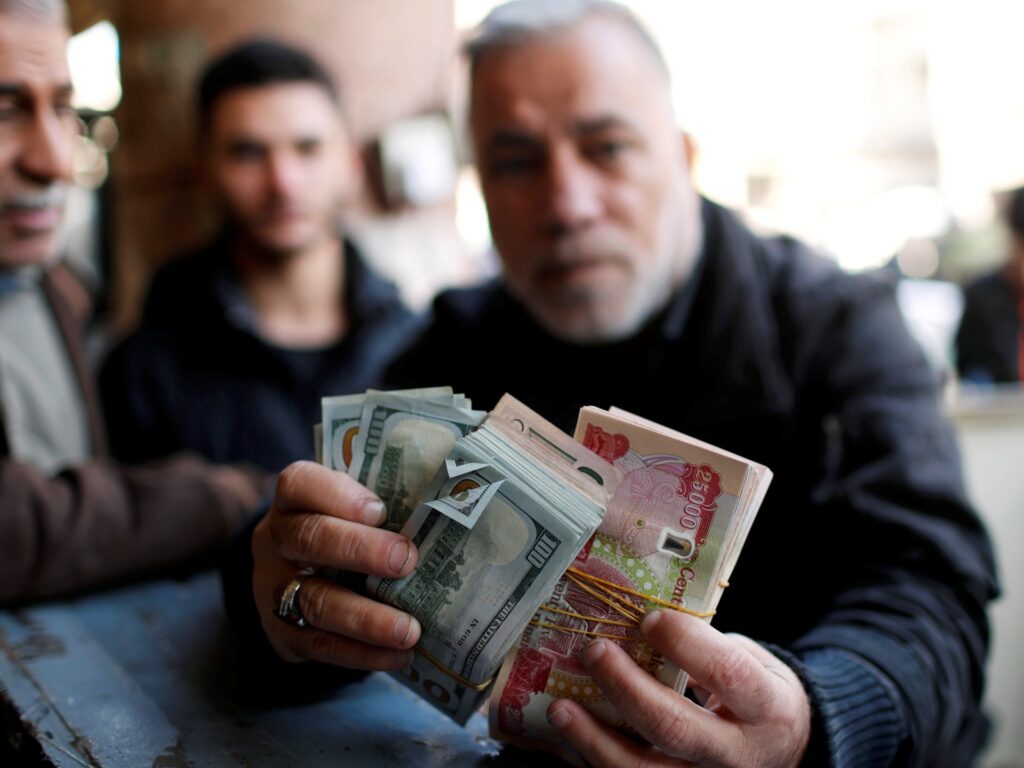
Iraq, a country heavily reliant on oil revenues, is facing mounting financial difficulties as the government struggles to meet basic fiscal obligations. The Iraqi government reportedly needs around $8.24 billion every month to pay state salaries and cover essential services, raising alarms about the sustainability of its economic situation.
The current economic strain is primarily driven by fluctuating oil prices and production challenges, which constitute the bulk of the government’s revenue. Iraq’s dependency on oil makes it vulnerable to global market shifts, and recent volatility has severely impacted its financial inflows. This instability has led to a scenario where the government might soon run out of sufficient funds to maintain everyday functions.
State salaries form a major portion of Iraq’s monthly expenses. With millions of civil servants relying on timely payments, any delay or reduction in salaries could spark social unrest and exacerbate the country’s political instability. Additionally, basic services such as healthcare, education, and infrastructure maintenance could suffer due to funding shortages, undermining long-term development.
According to government sources and economic analysts, the gap between revenues and expenditures continues to widen, signaling a potentially difficult economic phase ahead. The combination of reduced oil revenues and increased fiscal demands suggests that Iraq might be entering a period of lean years characterized by austerity and economic reform.
Experts warn that without immediate financial reforms and diversification of income sources, Iraq risks deepening its economic crisis. Reforms could include reducing subsidy expenditures, enhancing tax collection, and investing in non-oil sectors like agriculture and manufacturing.
International financial institutions have urged Iraq to implement transparent fiscal policies and ensure efficient use of resources to attract foreign investment. Such measures may help stabilize the economy and reduce the heavy dependency on oil.
The Iraqi government has acknowledged these challenges and is reportedly exploring options such as securing international loans, renegotiating oil contracts, and stimulating private sector growth. However, these steps require time and political consensus.
In conclusion, Iraq is at a critical juncture, where financial difficulties could translate into broader socioeconomic issues if not managed properly. The need for approximately $8.24 billion monthly to support basic obligations highlights the urgency for economic reforms and strategic planning. Without decisive action, the country may face several lean years that jeopardize its stability and development prospects.