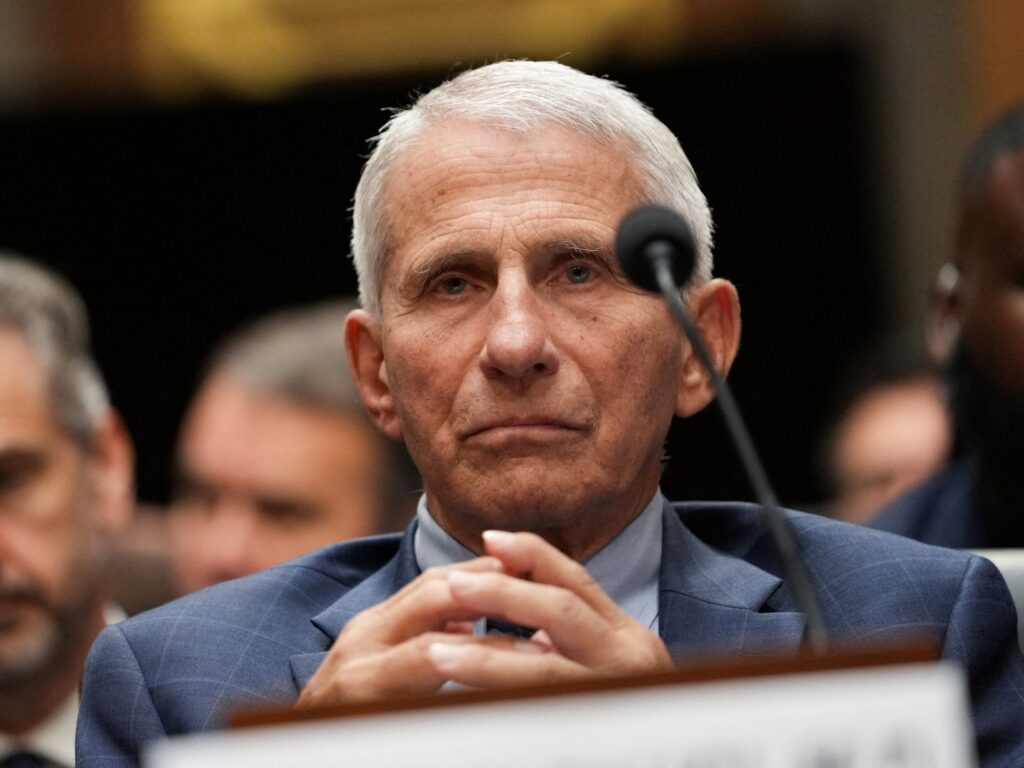
In a significant development, a Senate panel has voted to hold Dr. Anthony Fauci, the former White House Chief Medical Advisor, in contempt of Congress. This decision stems from ongoing disputes surrounding his testimony and document submissions related to the government’s response to the COVID-19 pandemic.
The vote marks a rare and notable step by lawmakers expressing frustration over what they perceive as a lack of cooperation from Dr. Fauci during multiple congressional hearings. The contempt charge highlights tensions between congressional leaders and federal health officials amid highly politicized debates over the pandemic management.
Dr. Fauci has been a central figure throughout the pandemic, providing expert advice and guidance on public health measures. However, his interactions with Congress have become increasingly contentious, particularly regarding transparency and information sharing.
The Senate panel’s move to hold Dr. Fauci in contempt could lead to further legal proceedings and may complicate ongoing investigations into the federal government’s handling of the pandemic. Supporters of Dr. Fauci argue that the contempt vote is politically motivated and undermines scientific inquiry.
The situation continues to evolve, and the next steps will be closely watched by political observers, public health experts, and the general public. This development underscores the enduring challenges at the intersection of politics, science, and public health policy.