Puerto Rican cities are currently grappling with severe water rationing measures as the island faces an unprecedented drought. This drought, recorded as one of the harshest in recent history, has severely impacted water availability, prompting the government to implement emergency rationing protocols to manage limited resources.
Governor Jenniffer Gonzalez has acknowledged the gravity of the situation, emphasizing the uncertainty surrounding the duration of these rationing measures. “At this moment, we do not know how long the water rationing will have to remain in place,” she stated in a public address, highlighting the unpredictability of weather patterns and ongoing drought conditions.
The drought has led to dangerously low water levels across reservoirs that supply numerous Puerto Rican municipalities. These reservoirs, which typically support millions of residents and agricultural activities, have shrunk significantly due to months of insufficient rainfall.
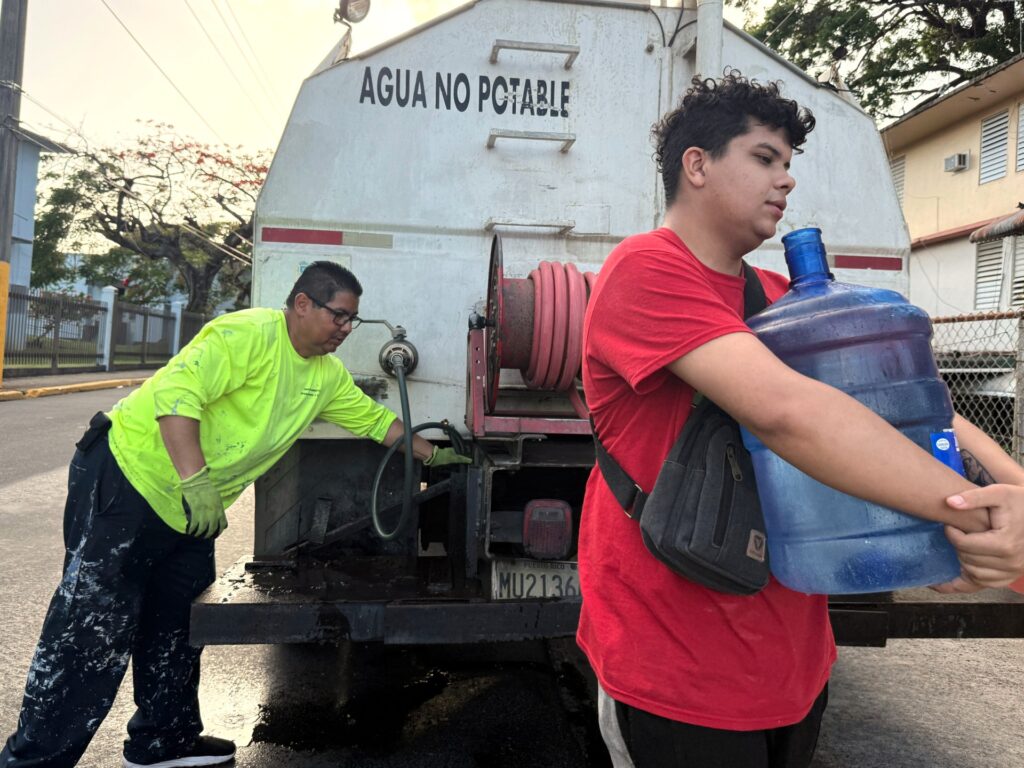
Water rationing efforts involve scheduled cutoffs, restrictions on water usage for non-essential purposes such as gardening and car washing, and prioritization of supply for drinking and basic sanitation needs. Local authorities are working to enforce these measures and monitor water consumption closely to prevent further depletion.
The drought’s impact extends beyond urban water consumption; agriculture, a vital sector of Puerto Rico’s economy, is also suffering. Crop yields are expected to decline, and farmers face challenges irrigating their lands, which may contribute to rising food prices and economic strain.
Environmental experts warn that climate change could lead to more frequent and severe droughts in the Caribbean region, making it critical for Puerto Rico to invest in sustainable water management strategies. These include upgrading infrastructure, promoting rainwater harvesting, and encouraging water conservation among residents.
In response to the crisis, community groups and non-governmental organizations have initiated outreach programs to educate the public on ways to reduce water usage and support vulnerable populations during shortages. Some neighborhoods have organized volunteer efforts to distribute bottled water and assist the elderly.
Governor Gonzalez has called on federal agencies for additional aid to mitigate the crisis and explore long-term solutions. Meanwhile, residents are urged to remain patient and comply with rationing schedules to ensure equitable water distribution.
The situation remains fluid, with meteorologists tracking weather developments closely in hopes of precipitation that could alleviate the drought. Until then, Puerto Rico faces a challenging period of adjustment as it navigates this environmental emergency, striving to safeguard its water supply for all citizens.