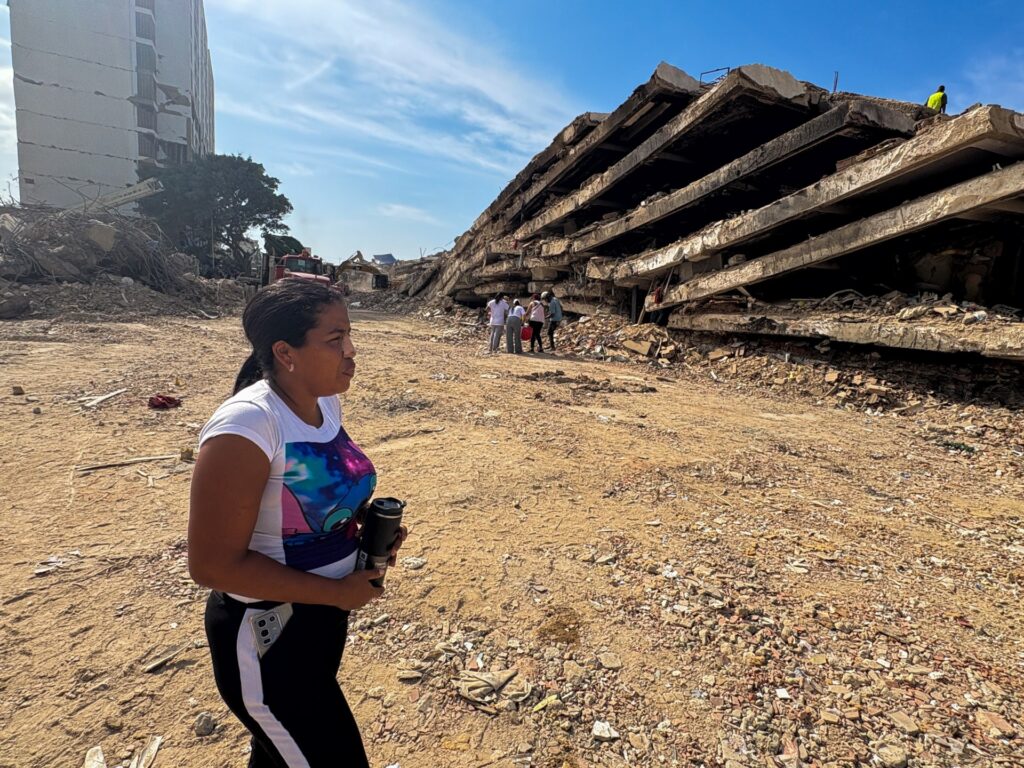
In the aftermath of the recent deadly earthquakes that struck Venezuela, authorities have initiated the demolition of unstable buildings to prevent further casualties. While these demolitions aim to enhance public safety and prevent additional structural collapses, they have introduced significant challenges, particularly in the search and recovery of bodies trapped beneath the rubble.
The earthquakes, which rattled various regions across Venezuela, caused widespread destruction, displacing thousands and leaving many areas in ruins. Rescue operations commenced swiftly, focused on locating survivors and providing emergency aid. However, as days passed and the focus shifted from rescue to recovery, the need to handle unsafe buildings became paramount.
Demolishing damaged structures is a necessary yet double-edged sword. On one hand, it mitigates the risk of further harm to rescue workers and residents in the vicinity. On the other hand, the destruction of these buildings can obliterate vital evidence and potential burial sites where victims might still be found.
Families of the missing have expressed heartache and frustration over the rapid tear-downs, fearing that vital clues and remains could be lost forever. Search teams are caught in a difficult balancing act, navigating the urgency of clearing dangerous areas against the painstaking, methodical process required for thorough disaster victim identification.
Experts in disaster management underline the necessity of a coordinated approach, incorporating forensic teams early in the demolition process to ensure that recoveries can be conducted systematically without compromising safety.
Moreover, local authorities face logistical challenges, including limited resources and manpower to simultaneously secure sites, conduct meticulous searches, and manage the demolition. The destruction caused by the earthquakes has stretched emergency services thin, hindering comprehensive response efforts.
The Venezuelan government has pledged to support affected families, enhance rescue operations, and work with international aid organizations to improve recovery procedures. Nonetheless, survivors emphasize the importance of transparency and communication during this difficult period, advocating for respectful handling of human remains and prompt information sharing.
As reconstruction efforts begin, the scars left by the earthquakes remain visible in communities grappling not only with physical damage but also emotional tolls. The balance between safety and recovery continues to pose dilemmas, highlighting the complexities faced by emergency responders in natural disaster scenarios.
In summary, while the demolition of unstable buildings after Venezuela’s deadly earthquakes is essential for public safety, it complicates the already challenging task of body recovery. It calls for a careful, coordinated approach that prioritizes human dignity alongside safety and speed, ensuring that every possible effort is made to honor the victims and provide closure to grieving families.