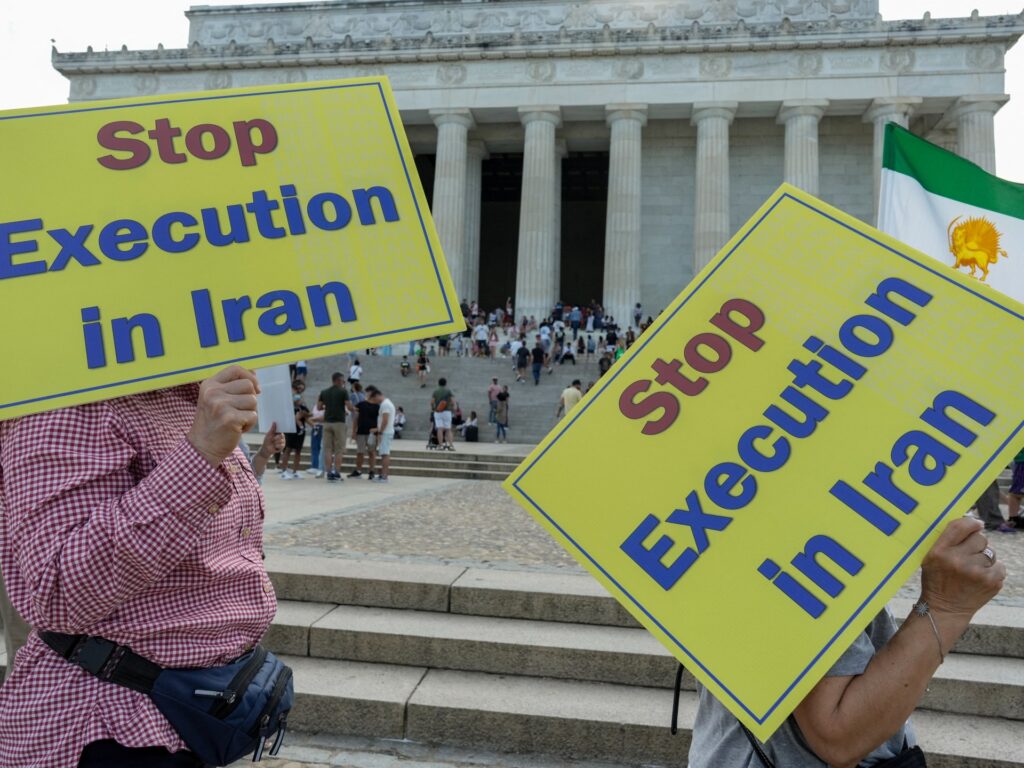
Volker Turk, the United Nations human rights chief, has issued a grave warning regarding the spike in executions in Iran, revealing that at least 56 individuals have been executed since March this year. This alarming trend follows the widespread protests that erupted in January, signaling an intensified effort by Iranian authorities to suppress dissent.
The surge in capital punishments is perceived as a harsh crackdown on political opposition, with many of the executed individuals reportedly linked to the protest movements. The UN rights office has expressed deep concern over the use of the death penalty as a means to stifle dissent and instill fear among the population.
According to Volker Turk, the escalation in executions follows a pattern of repression characterized by mass arrests, unfair trials, and crackdown on peaceful demonstrators. The context of these executions reportedly involves flimsy evidence and expedited judicial processes that violate international human rights standards.
The January uprising in Iran was sparked by widespread discontent over economic conditions, political repression, and social issues. Since then, Iranian authorities have faced persistent demonstrations, which they have sought to quell through rigorous enforcement tactics, including the reinstatement of the death penalty for alleged crimes linked to the protests.
International human rights organizations have condemned the execution spree, urging the Iranian government to halt the death penalty and adhere to international legal frameworks. The UN officials have called for transparent investigations into the circumstances surrounding the executions.
The situation presents a critical challenge to global human rights norms and raises fears that Iran is resorting to extreme measures to maintain control amid ongoing political unrest.
Volker Turk’s announcement underscores the urgent need for international attention and action to protect human rights and promote justice in Iran, emphasizing that the use of capital punishment in this context not only violates basic freedoms but also exacerbates societal divisions.
The global community continues to monitor developments closely, advocating for diplomatic efforts and pressure to encourage Iran to respect human rights obligations and foster a peaceful resolution to the crisis. This revelation from the UN rights chief shines a stark light on the human cost of political repression and the ongoing struggle for dignity and freedom in Iran.