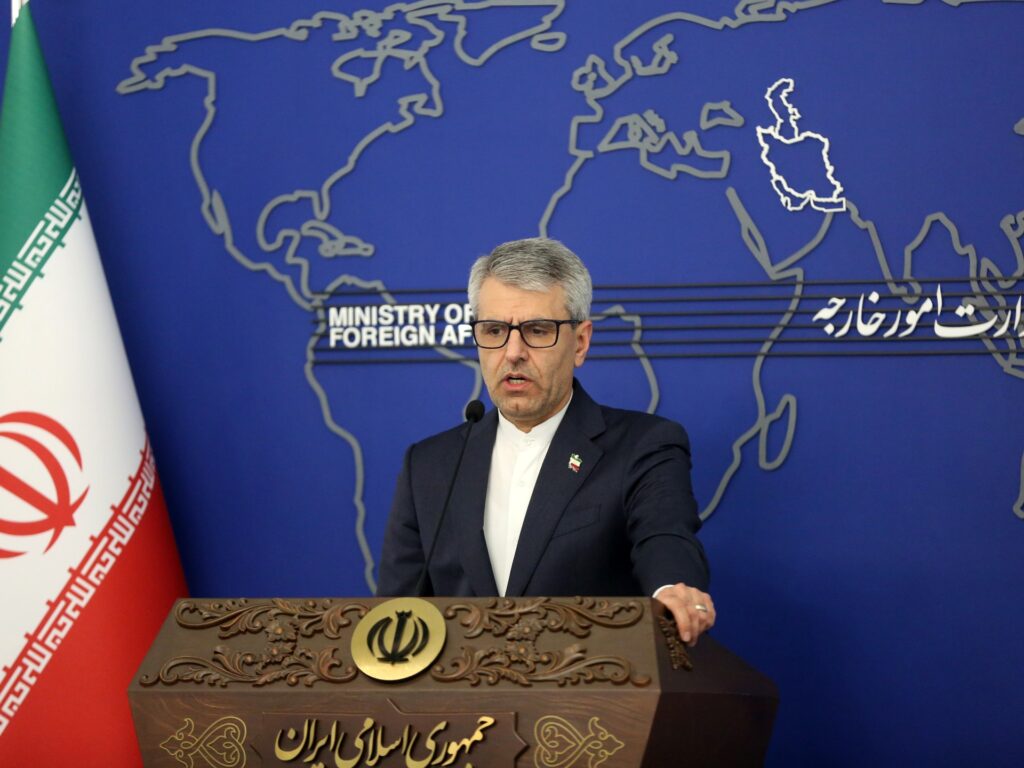
Recent developments in the diplomatic landscape between Iran and the United States have brought about a mix of tension and cautious anticipation. The Iranian Foreign Ministry has officially stated that there are no ongoing discussions with the United States at the moment. This assertion contrasts sharply with remarks made by U.S. President Donald Trump, who has expressed optimism about an imminent agreement with Iran and announced that negotiations are scheduled to commence on Monday.
The discrepancy in communication highlights the complexity of the current geopolitical climate surrounding U.S.-Iran relations. The Iranian Foreign Ministry’s denial of current talks may stem from a strategic posture aimed at managing domestic and international perceptions amid intense scrutiny. Iran has historically been cautious in divulging negotiation details prematurely, often adopting a stance that emphasizes sovereignty and negotiation leverage.
On the other side, President Trump’s statement projecting an impending agreement conveys a message of diplomatic progress and readiness to engage, potentially aimed at bolstering his administration’s foreign policy credentials. The promise of negotiations beginning shortly indicates a possible shift toward dialogue, though the timing and nature of such talks remain uncertain.
The international community watches closely as these conflicting statements raise questions about the negotiation process’s transparency and sincerity. Analysts suggest that effective diplomacy requires trust-building and clear communication channels, which are currently challenged by the differing narratives from Tehran and Washington.
Historically, U.S.-Iran relations have been fraught with challenges, including economic sanctions, nuclear program disputes, and regional security concerns. Attempts at diplomatic engagement have often encountered setbacks, making the prospect of renewed negotiations significant yet fragile.
As Monday approaches, the world awaits concrete evidence of dialogue commencement. Should talks indeed begin, it would mark a pivotal moment potentially leading to de-escalation and a framework for addressing key issues such as nuclear development, sanctions relief, and regional stability.
In the meantime, stakeholders emphasize the importance of cautious optimism, advocating for measured expectations while encouraging both parties to engage earnestly in the negotiation process. The interplay between public declarations and actual diplomatic movements will likely shape the trajectory of Iran-U.S. relations in the near future.
Continued monitoring of official statements and on-the-ground developments will be essential in understanding the evolving dynamics. The situation underscores the delicacy and complexity inherent in international diplomacy, where nuanced communication often carries as much weight as formal agreements.
In summary, the current phase in Iran-U.S. interactions is marked by contradictory claims and looming prospects for dialogue. The coming days are critical for determining whether these statements herald meaningful diplomatic progress or further entrenchment of positions. The global community hopes that the dialogue, if initiated, leads to constructive outcomes benefiting regional and international peace and security.