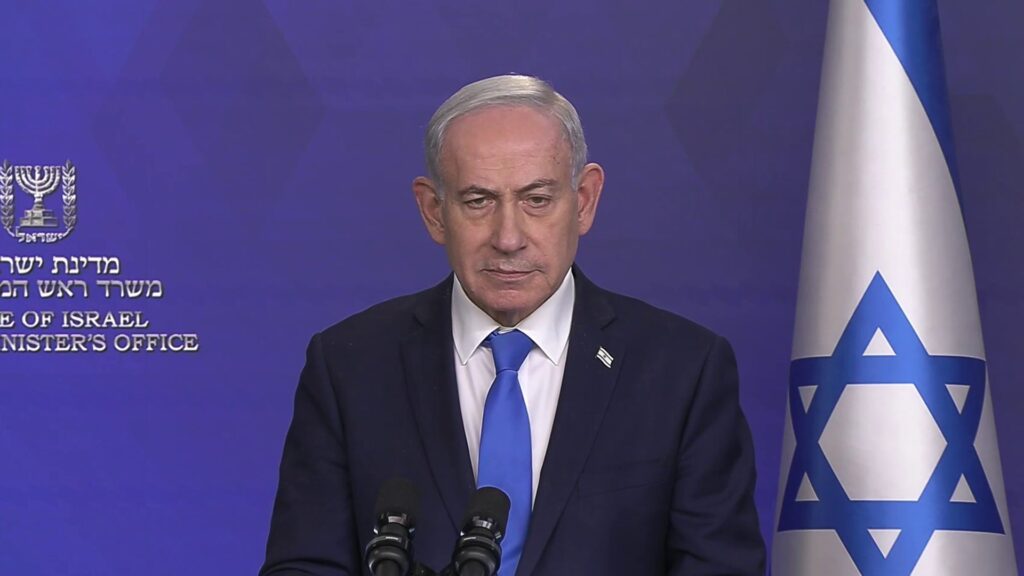
In a notable political development, Benjamin Netanyahu, the Prime Minister of Israel, has publicly appealed to Gadi Eisenkot, the opposition leader and former Chief of Staff of the Israeli Defense Forces, to form a unity government. This request highlights the urgency and complexities in the current political landscape of Israel, where unity and cooperation among diverse political factions are seen as vital for effective governance.
Netanyahu’s plea underscores the importance of a coalition that transcends traditional political rivalries to tackle pressing national issues. He emphasized that a unity government would provide stability and a cohesive approach to policy-making during challenging times. By reaching out to Eisenkot, Netanyahu is signaling his willingness to collaborate with the opposition for the greater good of the country.
Gadi Eisenkot, known for his military leadership and strategic acumen, has earned respect across the political spectrum. Netanyahu’s appeal suggests a recognition of Eisenkot’s potential to galvanize support and bring diverse groups together. This move could mark a significant shift in Israeli politics, potentially easing longstanding divisions and fostering a more inclusive government.
Political analysts note that the formation of a unity government could help address critical issues such as national security, economic challenges, and social cohesion. The ongoing dynamics between Netanyahu and Eisenkot reflect the broader need for consensus-building in a fragmented political environment.
The call for unity comes amid a backdrop of electoral uncertainty and the pressing need for a stable government to lead Israel through complex regional and internal challenges. Netanyahu’s outreach to Eisenkot is a strategic step aiming to build bridges and lay the foundation for a government that prioritizes national interest over partisan differences.
Observers will be closely watching Eisenkot’s response, as his decision could reshape the political landscape and influence the future direction of Israel’s governance. The potential alliance between Netanyahu and Eisenkot could serve as a model for cooperation in times of national need, highlighting the importance of dialogue and partnership in democratic societies.
In conclusion, Netanyahu’s public plea for a unity government with Eisenkot marks a pivotal moment in Israeli politics, emphasizing collaboration and stability. This initiative represents hope for a more united approach to tackling Israel’s challenges, signaling a potential new chapter in the country’s political narrative.