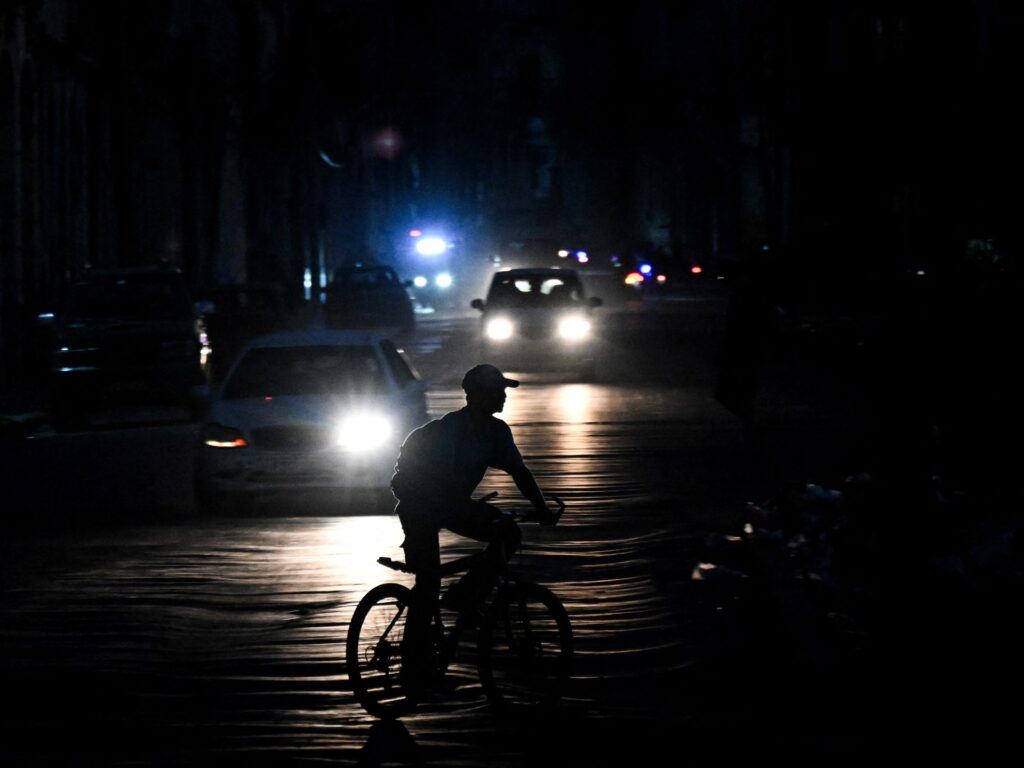
Cuba experienced a nationwide blackout on Sunday after its ageing power grid collapsed, marking a severe disruption for the island nation. The failure occurred following a series of power outages over the preceding weekend, pointing to systemic vulnerabilities in the energy infrastructure.
The blackout has come at a time when Cuba is grappling with severe fuel shortages, largely attributed to US-imposed sanctions restricting fuel imports. These restrictions have compounded the pressures on an already strained power grid, leaving millions of Cubans without electricity.
The island’s energy system, heavily dependent on imported fossil fuels, faces significant challenges in maintaining steady electricity supply. With limited fuel resources, power plants have struggled to operate at full capacity, leading to frequent outages and ultimately the collapse of the grid.
Authorities have acknowledged the crisis and are reportedly working to restore power, but no clear timeline has been provided. The blackout not only affects households but also critical infrastructure including hospitals, transportation systems, and communication networks, exacerbating the humanitarian impact.
Cuba’s energy vulnerabilities highlight the broader impacts of ongoing economic difficulties and the ramifications of long-standing US sanctions. Efforts to diversify energy sources or increase renewable capacity have been slow and face obstacles such as limited investment and technical challenges.
The scarcity of fuel supplies due to sanctions has forced the government to ration electricity and impose daily blackouts in preceding weeks, leading to increasing public frustration and socio-economic disruption.
The power failure underscores the urgent need for Cuba to modernize its energy infrastructure and reduce dependence on imported fuels. Environmental experts suggest that investing in renewable energy, such as solar and wind, could provide more resilient and sustainable power solutions.
Despite these challenges, the Cuban government continues to face diplomatic and economic pressures that complicate access to resources needed for infrastructure upgrades.
The nationwide blackout serves as a stark reminder of the fragility of Cuba’s power system and the complex interplay between geopolitical factors and domestic challenges.
As the Cuban population deals with the immediate impacts of the blackout, international calls for easing sanctions and providing support for energy development have gained traction, emphasizing the humanitarian aspect of the crisis.
In summary, the collapse of Cuba’s ageing power grid amid fuel shortages and US sanctions has led to a nationwide blackout, highlighting critical energy vulnerabilities and the urgent need for systemic reforms. The situation remains fluid, with restoration efforts underway but significant hardships expected for Cuban residents in the short term.