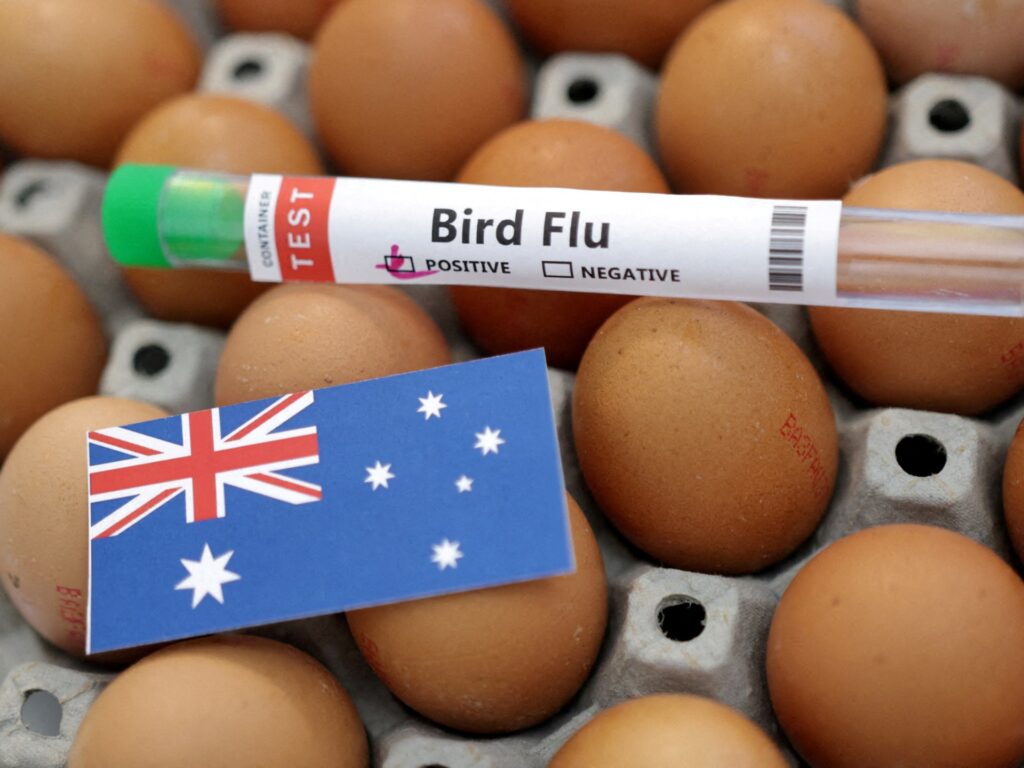
Australia’s Agriculture Minister has issued a warning about the likely spread of the H5N1 bird flu virus following the country’s first recorded mass mortality event since the disease was detected. Recent laboratory testing confirmed the presence of the H5N1 strain in a group of terns found dead and sick along the Australian coast. Specifically, 49 dead and 35 sick terns were tested, and all showed positive results for the virus.
This marks a significant and concerning development in the ongoing battle against H5N1 avian influenza, as mass mortality events among wild bird populations can signal an increased risk of transmission to other wildlife and potentially to domestic poultry.
The Agriculture Minister emphasized the seriousness of this event, noting that the detection of H5N1 in wild seabirds represents a new phase in the virus’s dynamics within Australia. This first confirmed mass die-off indicates that the virus is not only present but actively spreading in wild bird populations.
Authorities are increasing their surveillance and monitoring efforts along Australia’s coastlines and inland water bodies where migratory and resident birds gather. The goal is to quickly detect any outbreaks to enable prompt containment and mitigation actions to protect the poultry sector and minimize economic impacts.
The H5N1 virus has been a global concern for many years, known for its potential to cause high mortality in birds and occasional infections in humans. While transmission to humans remains rare, mass die-offs in avian populations increase the opportunity for the virus to mutate or jump species.
Australia’s biosecurity teams are working closely with wildlife experts, veterinarians, and local authorities to manage this situation. Measures include imposing temporary controls on poultry movement in affected regions, advising farmers on heightened biosecurity procedures, and conducting comprehensive testing of both wild birds and domestic flocks.
Public awareness campaigns have also been initiated to inform communities about the risks associated with handling sick or dead birds and to encourage reporting of any unusual bird deaths.
Experts caution that the spread of H5N1 in wild bird populations can be unpredictable, influenced by migratory patterns, environmental conditions, and ecological factors. Nonetheless, early detection can play a crucial role in preventing widespread outbreaks.
The Australian government remains vigilant and committed to containing the H5N1 virus to safeguard animal health, agriculture, and public safety. This incident underscores the importance of ongoing surveillance for emerging animal diseases and the need for coordinated responses across sectors.
As investigations continue and additional data become available, updated guidance and protocols will be communicated to stakeholders.
The situation is being closely monitored, and officials encourage anyone encountering dead or sick birds to report immediately to local authorities to aid rapid assessment and response efforts.
This first mass mortality episode serves as a stark reminder of the evolving nature of infectious diseases and the critical need for preparedness and collaboration at local, national, and international levels.