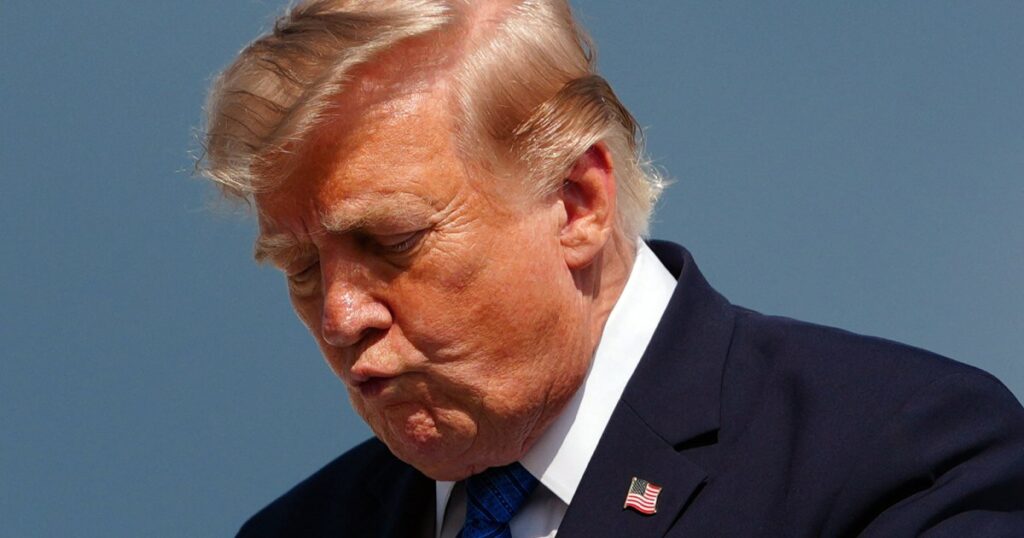
In a surprising turn of events, US President Donald Trump has announced the cancellation of a planned military strike against Iran. The decision follows what he described as progress in negotiations that have reached the ‘deal perimeters,’ signaling a potential de-escalation of tensions between the two nations.
The planned strike was reportedly set as a response to heightened tensions and provocations attributed to Iran. However, President Trump stated that the recent diplomatic efforts have yielded significant developments, allowing for a reconsideration of military options. This move has sparked a wave of reactions from politicians, analysts, and international leaders.
President Trump did not provide extensive details about the nature of the talks or the specific terms included in the ‘deal perimeters.’ However, he emphasized that the progress made reflects a commitment to diplomacy over conflict, highlighting the importance of securing a peaceful resolution.
The announcement came after days of escalating rhetoric and concerns over potential military action in the volatile Middle East region. Many experts had predicted an imminent strike due to reported intelligence and military mobilization. Still, the president’s decision marks a critical shift in the US foreign policy stance towards Iran.
The cancellation of the strike has been met with cautious optimism. Supporters of the administration’s approach view it as a pragmatic decision that prevents unnecessary violence and opens doors for continued dialogue. Critics, however, express skepticism regarding the durability of the progress and the clarity of the terms agreed upon.
International allies and opponents alike are closely monitoring the situation. Countries with vested interests in Middle Eastern stability have welcomed the prospect of reduced hostilities. Meanwhile, Iran’s reaction is being scrutinized for indications of its commitment to the negotiations.
This development also impacts ongoing discussions surrounding the 2015 Iran nuclear deal, officially known as the Joint Comprehensive Plan of Action (JCPOA). It remains to be seen whether the ‘deal perimeters’ mentioned by President Trump include provisions to reinstate or renegotiate elements of the JCPOA.
The president’s approach underscores a nuanced balance between maintaining pressure on Iran for compliance and avoiding outright military conflict. The coming days will be critical in determining if the progress claimed can be sustained and translated into a formal agreement.
In conclusion, President Donald Trump’s cancellation of the planned strike against Iran and his announcement of reaching ‘deal perimeters’ marks a pivotal moment in US-Iran relations. With diplomacy now taking center stage, global observers will be watching closely for signs of lasting peace or renewed tensions in the region.