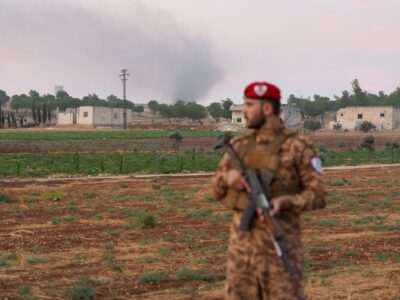
Virunga National Park, located in eastern Democratic Republic of Congo (DRC), plays a crucial role in safeguarding both local communities and endangered mountain gorillas from the devastating effects of Ebola outbreaks. Known for its rich biodiversity and as a habitat for the rare mountain gorilla, Virunga has implemented comprehensive health checkpoints and surveillance measures to contain the disease and ensure the safety of its flora and fauna.
Ebola, a highly infectious viral disease, has posed significant threats to human populations in the Congo basin over the years. The challenge in regions like eastern DRC is compounded by the proximity of human settlements to wildlife habitats, which can facilitate zoonotic transmission—the spread of disease from animals to humans or vice versa.
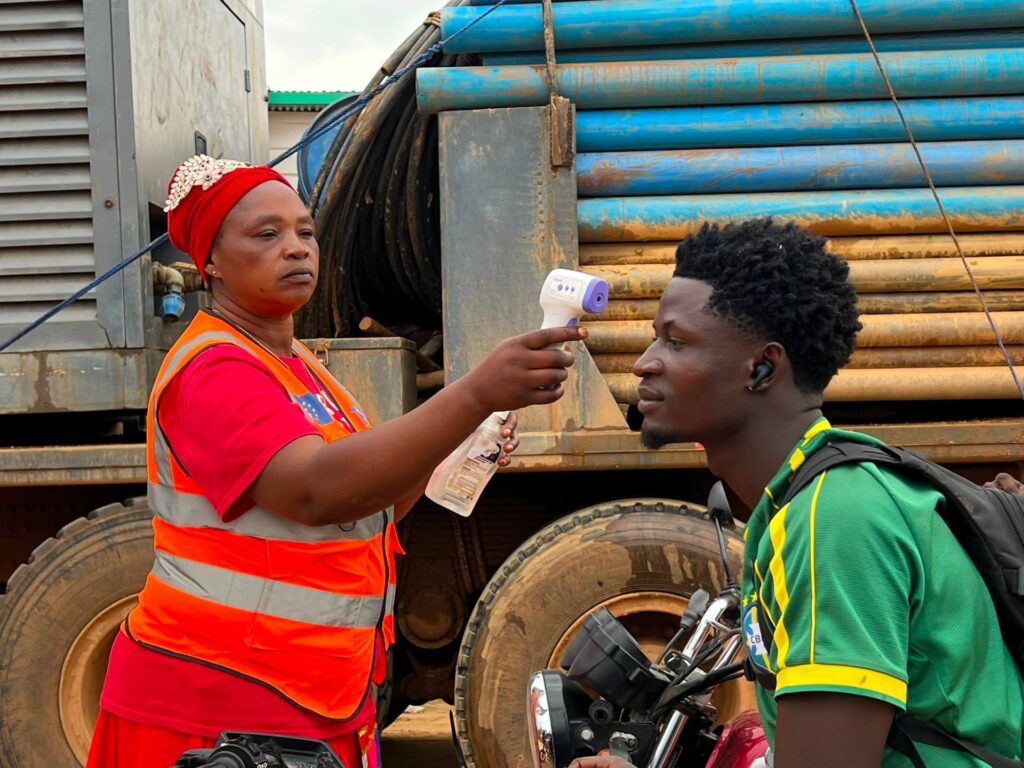
To address these risks, Virunga Park authorities have established multiple health checkpoints at key entry and exit points of the park. These checkpoints are equipped with screening protocols including temperature checks, symptom assessments, and education for visitors and workers concerning Ebola prevention. The aim is to detect potential cases early and prevent the virus from spreading within and beyond the park boundaries.
Additionally, there is ongoing monitoring of animal health, especially mountain gorillas, which are highly susceptible to diseases including Ebola. Park rangers and conservationists work closely with veterinary and epidemiological experts to observe the gorillas, looking out for signs of illness that could indicate viral infection. This early warning system is critical because a single outbreak among gorillas could have catastrophic consequences for their already fragile population.
Community engagement also forms a cornerstone of the Ebola containment strategy in Virunga. Park management collaborates with local communities, health workers, and government agencies to increase awareness about Ebola, promote hygiene, and encourage reporting of any suspected cases. These educational programs help build trust and cooperation between the park authorities and residents, fostering an environment of vigilance and preparedness.
In the event of a suspected Ebola case, both human and animal health teams are ready to respond with isolation protocols, contact tracing, and medical support. This coordinated approach helps limit the spread within the park and nearby villages.
The protection efforts at Virunga not only secure human health but also contribute to global conservation goals. By preventing an Ebola outbreak from impacting mountain gorillas, the park preserves a key species that attracts international attention for conservation and eco-tourism.
Overall, Virunga National Park’s integrated approach—combining health checkpoints, surveillance, community engagement, and rapid response—provides an effective model for protecting vulnerable populations of both humans and wildlife from Ebola. This vigilance is especially critical in eastern DRC, where ongoing conflict and resource limitations complicate epidemic control. Through continued commitment and collaboration, Virunga stands as a beacon of hope for conservation and public health amidst challenging circumstances.