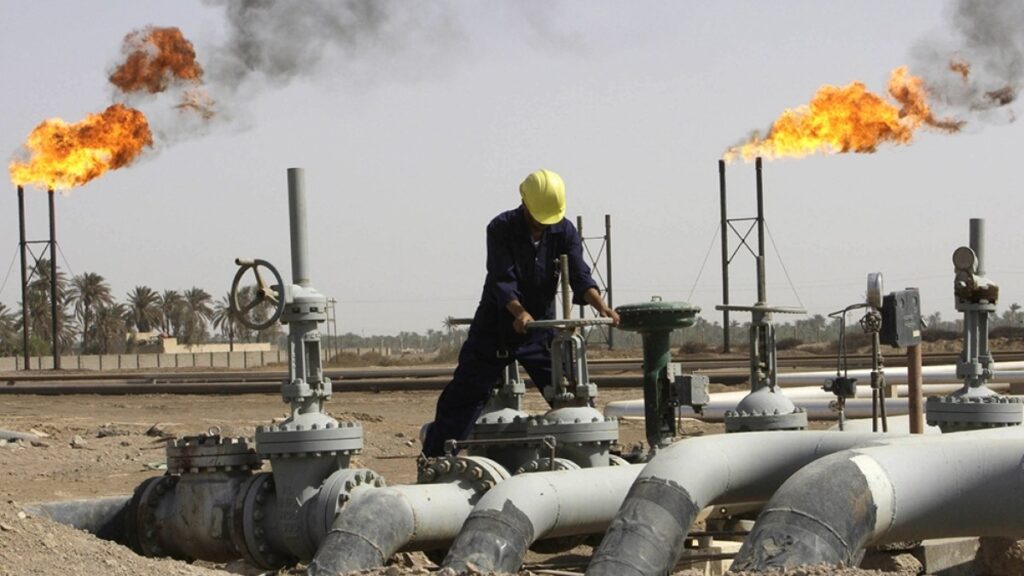
In a significant development reflecting the ongoing shifts in the global energy landscape, Turkiye and Iraq have signed a one-year deal to continue the operation of the Iraq-Turkiye oil pipeline. This renewed agreement commits to a steady flow of 750,000 barrels of crude oil per day, ensuring uninterrupted energy transit between the two nations.
The pipeline, which serves as a critical artery for transporting Iraqi crude oil to the Turkish Mediterranean coast for export, plays a vital role in the energy security and economic strategy of both countries. The agreement underlines the mutual benefits derived from this collaboration, supporting both Turkiye’s role as a key transit hub and Iraq’s position as a prominent oil producer.
Officials from both countries have confirmed the terms of the agreement, emphasizing its importance amid a global context characterized by shifting energy demands, geopolitical tensions, and an evolving energy market. The deal is seen as a strategic move to maintain stability and continuity in oil supply routes during a period when many nations are reevaluating their energy partnerships.
This pipeline deal also highlights Turkiye’s ambition to strengthen its influence in regional energy corridors while supporting Iraq’s economic diversification goals by facilitating oil exports. Additionally, it underscores the growing interdependence of regional economies and the critical nature of energy cooperation in fostering geopolitical stability.
Industry analysts note that the agreement will likely impact global oil markets by securing a reliable supply source from Iraq to international markets via Turkiye. This could help in mitigating supply disruptions and contribute to stabilizing oil prices during times of volatility.
The one-year renewal provides a window for both parties to evaluate the operational, economic, and political dimensions of the partnership. It also offers an opportunity to explore potential expansions, technological upgrades, and enhanced security measures for the pipeline infrastructure.
Moreover, this deal aligns with the broader trends of energy diplomacy where countries seek to secure their energy interests through strategic alliances and infrastructure projects. It is expected to foster further dialogue and cooperation between Turkiye and Iraq on energy and other regional issues.
In conclusion, the Turkiye-Iraq oil pipeline agreement symbolizes a pragmatic approach to energy cooperation amid a period marked by global shifts in energy production, consumption, and policy directions. As both nations navigate the complexities of the international energy landscape, this deal ensures a stable and mutually beneficial energy partnership for the immediate future.