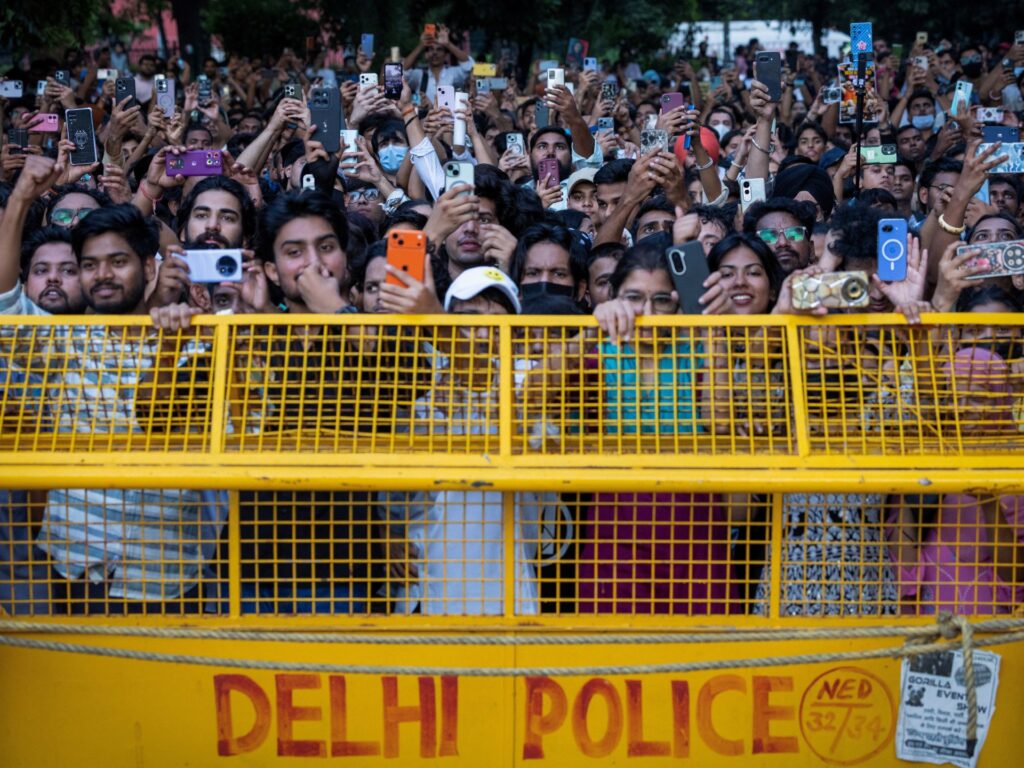
In a significant and conciliatory gesture, Indian Prime Minister Narendra Modi has publicly forgiven students who directed abusive language at him during the recent ‘Cockroach protests.’ The demonstrations, which gained widespread attention, featured students expressing their dissent with strong symbolism and vocal critiques, including personal insults aimed at the Prime Minister.
Modi, addressing the nation and the media, described the involved youths as “misled children” and emphasized the importance of guiding them onto “the right path.” He expressed his forgiveness with a tone of understanding rather than anger, signaling a willingness to bridge divides.
The protests themselves erupted over issues related to the education sector, students’ rights, and governance policies perceived as restrictive or detrimental by many in the youth demographic. The cockroach icon used in the protest became a metaphor for corruption, oppression, or negative elements within the system, which protesters linked to government leadership.
However, the situation escalated beyond physical demonstrations to digital battlegrounds. Modi’s supporters took to social media in large numbers, vehemently defending the Prime Minister and launching coordinated campaigns to dox, harass, and verbally abuse the protesters. These online attacks sparked debate over freedom of expression, the ethics of social media conduct, and the growing polarization in Indian society.
Human rights activists and civil liberty organizations condemned the doxxing and abuse, warning that such tactics threaten democratic dialogue and escalate tensions. They called on the government to protect protestors’ rights to safety and free speech without fear of retribution.
Meanwhile, Modi’s message of forgiveness was seen by many as a strategic move to calm the situation and present a more unifying narrative amid the turmoil. His appeal to education and redemption aimed to reduce hostility and encourage dialogue.
Political analysts have noted the complexity of the scenario. On one hand, Modi’s readiness to forgive reflects leadership maturity; on the other, the aggressive behavior of some supporters indicates deep-seated political and social rifts.
The Indian government has yet to announce any formal measures addressing the protests or the social media controversies, but the Prime Minister’s comments suggest a preference for pacification and education over punishment.
This episode reveals the challenges faced by modern democracies in managing dissent both offline and online, highlighting the need for respectful dialogue, tolerance, and protection of civil rights.
As India continues to navigate these turbulent political waters, the world watches closely to see how its leaders and citizens reconcile differing views while maintaining democratic values and social harmony.