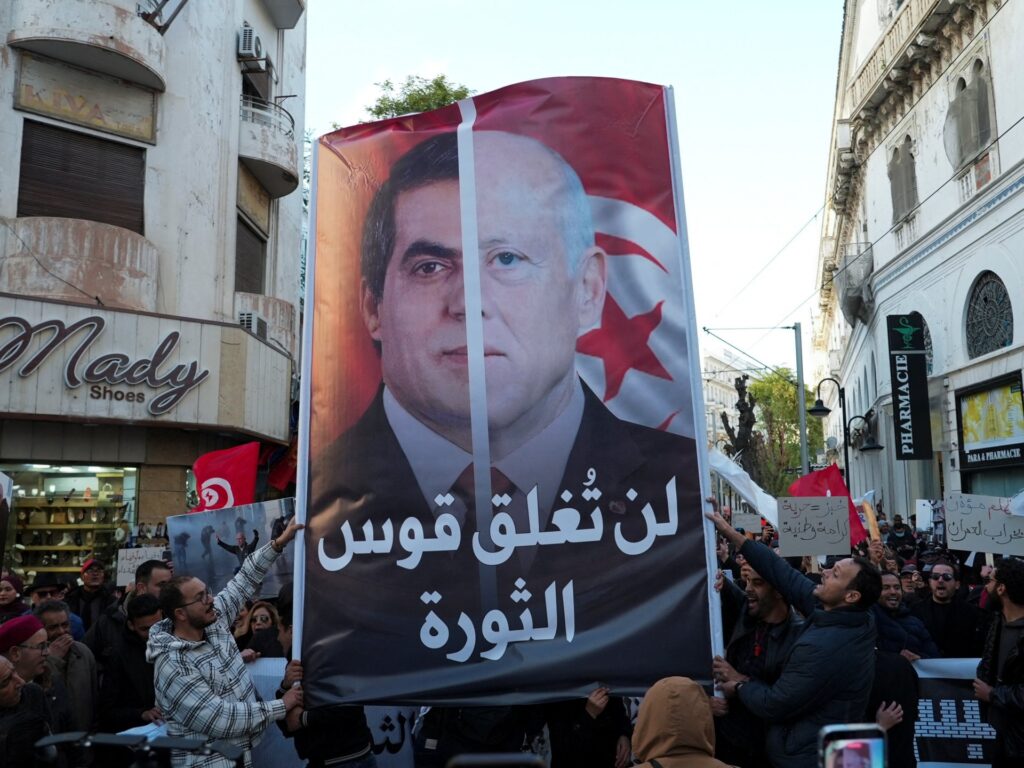
Tunisia, once hailed as the beacon of the Arab Spring, is now facing a turbulent undercurrent of public discontent. Beneath a façade of enforced calm, a growing wave of frustration is simmering among the Tunisian populace. This unrest is fueled by a combination of political repression, economic decline, and the deterioration of public services, creating a volatile atmosphere that many fear could erupt into widespread protest.
Political repression in Tunisia has intensified in recent years, with government authorities cracking down on dissent and limiting freedoms. This environment of silence and suppression has stifled open dialogue and political engagement, leaving many Tunisians feeling disenfranchised and voiceless. The lack of transparent governance and accountability has further eroded public trust in political institutions.
At the heart of the public anger is the country’s economic situation. Tunisia’s economy has been struggling with high unemployment rates, inflation, and stagnating growth. Many citizens are grappling with rising living costs and declining job opportunities, leading to increased economic insecurity. The economic hardships disproportionately affect young people, who constitute a large segment of the population and have been key drivers of previous social movements.
Compounding these challenges is the collapse of essential public services. Healthcare, education, and infrastructure have all suffered from years of underfunding and mismanagement. The resulting decline in service quality has deeply affected everyday life, contributing to frustration and disenchantment among residents.
The combination of political repression, economic woes, and failing public services has created a pressure cooker environment in Tunisia. Although the government maintains a semblance of order, the underlying tensions are undeniable. Community leaders, activists, and analysts warn that without meaningful reforms and dialogue, the simmering anger could lead to instability.
International observers have noted the potential risks posed by Tunisia’s current trajectory. The country’s strategic location and its role as a model for democratic aspirations in the region make its stability a matter of global interest. Support from international partners, coupled with internal reforms, may be pivotal in addressing the root causes of Tunisia’s public discontent.
Meanwhile, Tunisian citizens continue to navigate the complexities of daily life amid uncertainty. Many are calling for renewed political openness, economic revitalization, and improved public services. The demand for change reflects a collective yearning for a better future and a more inclusive society.
In summary, Tunisia’s silence masks a deeper unrest. The convergence of political repression, economic decline, and the collapse of public services has ignited a growing public anger that threatens the country’s stability. Addressing these challenges will require concerted efforts from both the government and the international community to restore trust, foster economic growth, and rebuild essential services for the good of all Tunisians.