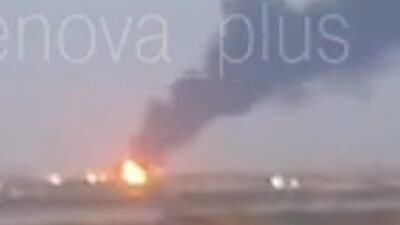
In a dramatic escalation of regional tensions, Iran launched a series of drone attacks targeting vital facilities in Kuwait. The Kuwaiti military reported that several strategic sites were attacked from dawn, but their forces successfully detected and destroyed the Iranian drones before they could inflict significant damage.
This bold move by Tehran has sent shockwaves through the Gulf region, escalating fears of a wider conflict that could engulf neighboring countries. Officials in Kuwait have condemned the attacks and emphasized their commitment to defending national sovereignty against any aggression.
Iran’s decision to strike Kuwait appears to be part of a broader strategy to project power and influence across the Middle East amid ongoing geopolitical rivalries. Analysts suggest the attacks may be linked to Iran’s efforts to retaliate against regional adversaries and assert its position amid tensions with Western nations.
The Kuwaiti government disclosed that the targeted facilities include energy infrastructure, which is critical not only to Kuwait’s economy but also to the stability of global oil markets. Disruptions in Kuwait could have ripple effects on energy supplies and prices worldwide.
International reactions have been swift, with calls for restraint and diplomatic dialogue to prevent further escalation. The United Nations and several countries have urged both Iran and Kuwait to de-escalate tensions and engage in peaceful negotiations.
Military experts warn that the deployment of drones signals a new phase of warfare in the region, characterized by technologically advanced and often covert operations that complicate traditional defense mechanisms.
The attacks underscore the fragile security environment in the Middle East, already battered by multiple conflicts and political instability. There are growing concerns that such incidents could spiral into full-scale regional warfare, impacting global peace and security.
Kuwait has increased its defensive readiness and is coordinating closely with allies to monitor and counter potential threats. The government has also reassured its citizens of their safety while remaining vigilant against further attacks.
Meanwhile, Tehran revealed its stance, with Iranian officials framing the attacks as a justified response to provocations and a demonstration of powerful deterrence capability. This rhetoric is likely to harden stances on both sides and complicate diplomatic efforts.
The impact of these developments extends beyond immediate military implications. Economists warn of potential disruptions in oil markets, while humanitarian organizations express concerns about the safety of civilians in an increasingly hostile region.
Diplomatic channels remain active with multiple international actors attempting to mediate and prevent an escalation that could have catastrophic consequences.
As the situation unfolds, the world watches anxiously, hoping for a resolution that restores peace and stability to this volatile region. With tensions mounting, the coming days will be critical in determining whether diplomacy can prevail over conflict or if the flames of war will consume a broader swath of the Middle East.