The Ebola epidemic in the Democratic Republic of Congo (DR Congo) has escalated to become the second largest outbreak of the deadly virus in history. Officials have declared it the fastest spreading Ebola outbreak ever recorded, raising urgent alarms for global health officials and governments worldwide.
Originating in the eastern regions of DR Congo, this outbreak has surpassed previous epidemics in rapid transmission and geographical spread. Despite ongoing containment efforts, the number of confirmed cases and fatalities has surged, overwhelming local healthcare systems and testing the limits of international response capacities.
Health authorities emphasize the need for increased vigilance, funding, and global cooperation to combat the epidemic effectively. The World Health Organization (WHO) and other agencies have called on the international community to pay much more attention to the crisis, as the potential for cross-border spread and wider outbreaks remains a significant risk.
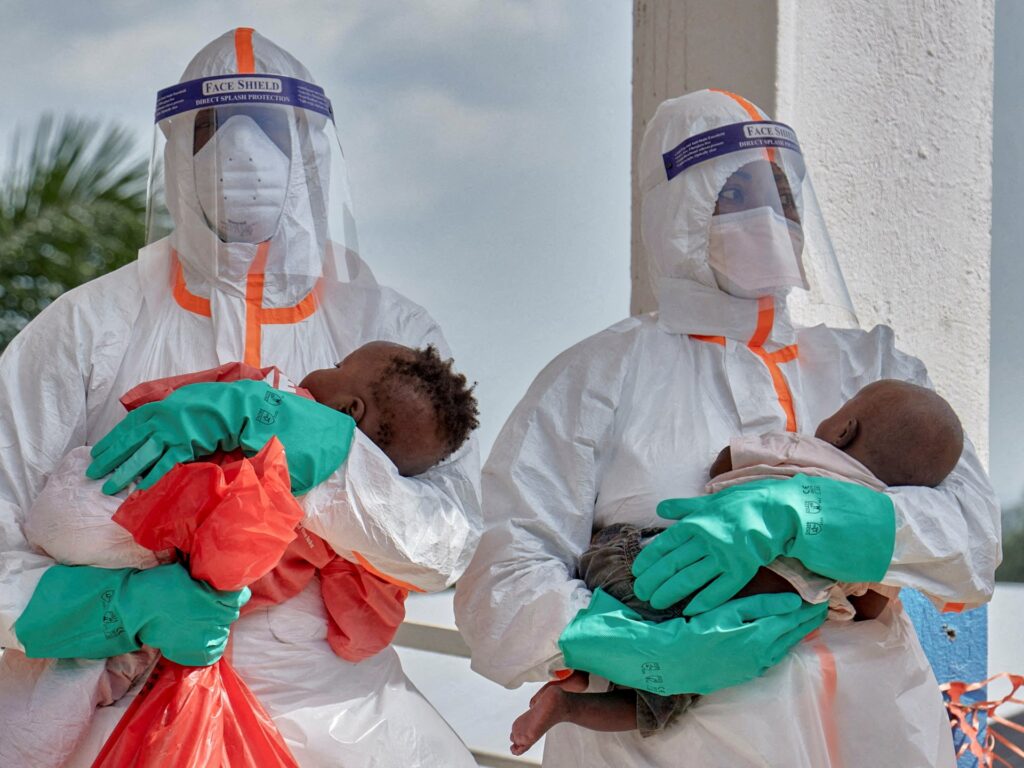
Medical teams on the ground are working tirelessly to provide care, conduct vaccinations, and implement preventive measures. However, logistical challenges, including difficult terrain and security concerns, are complicating efforts to curb the virus.
This outbreak highlights the critical importance of robust disease surveillance systems and rapid response mechanisms to manage emerging infectious diseases. Experts warn that without adequate global attention and resources, Ebola could cause even more devastating health, social, and economic impacts across the region.
The DR Congo epidemic serves as a stark reminder of the persistent threat posed by Ebola and the urgent need for sustained international commitment to epidemic preparedness and response.