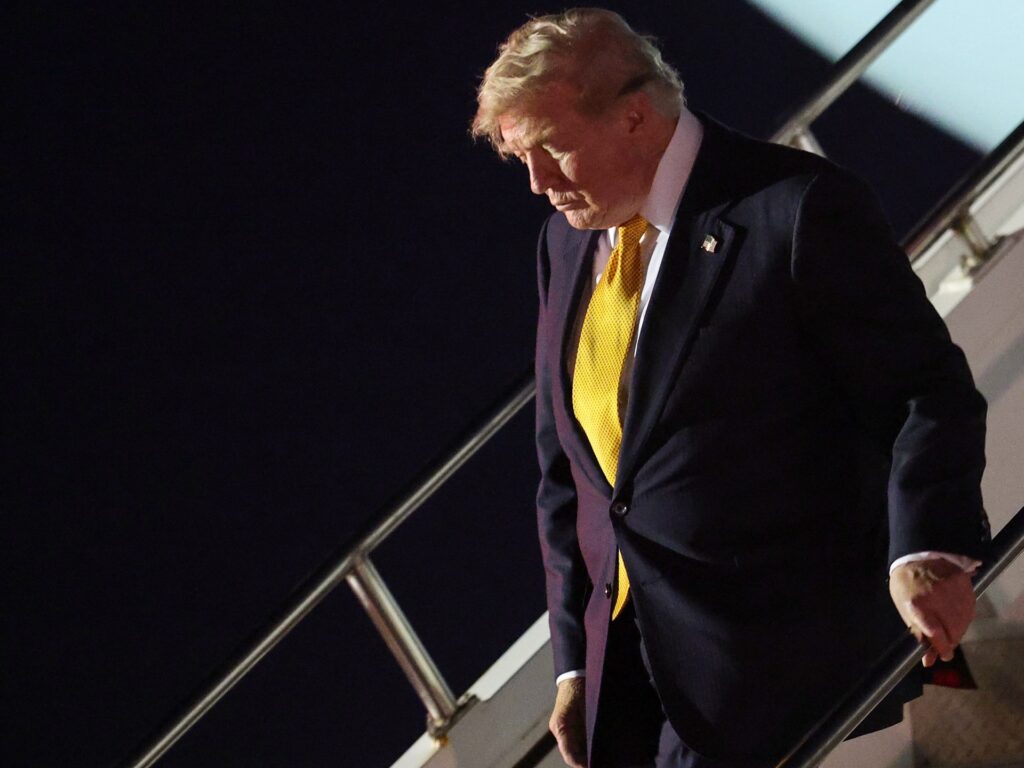
In a startling development, US President Donald Trump has issued severe warnings toward Iran’s leadership amidst accusations of assassination attempts, intensifying already fraught relations between the two nations. These verbal threats come as regional mediators are reportedly working diligently to salvage a Memorandum of Understanding (MoU) aimed at stabilizing the volatile situation.
The escalation began when Trump publicly stated that the United States would “decimate” Iran if necessary, signaling a no-tolerance stance against any hostile actions attributed to Tehran. This rhetoric follows allegations of Iranian plots targeting US officials, heightening fears of direct conflict.
Iran’s Supreme Leader responded vehemently to Trump’s statements, dismissing the threats and vowing resistance against what it terms American aggression. Such exchanges have plunged diplomatic efforts into uncertainty and underscored the fragility of peace initiatives in the region.
Regional powers, acting as mediators, have been striving to maintain dialogue between Tehran and Washington. These actors fear that a breakdown in discussions could lead to a catastrophic escalation with widespread implications. Their push for diplomacy emphasizes mutual concessions and the maintenance of the MoU, which aims to limit contentious activities and foster a framework for ongoing communication.
However, the latest cycle of threats and denials complicates these efforts significantly. International observers warn that without renewed commitment to dialogue, the risk of confrontation remains alarmingly high.
Experts highlight that the tit-for-tat nature of rhetoric serves to harden positions on both sides, potentially undermining decades of diplomatic progress. They advocate for careful negotiation and confidence-building measures to break the impasse.
The situation remains fluid, with global attention focused on the outcome of these mediation attempts. While both the US and Iran maintain that they seek peace, the current atmosphere of mistrust and aggression presents formidable obstacles.
As discussions continue behind closed doors, all eyes are on the mediators who carry the heavy responsibility of steering both parties back to the negotiating table. Success in this mission could pave the way for de-escalation and a more stable Middle East, whereas failure might usher in a period of heightened tension and conflict.
In the coming weeks, diplomatic developments will be critical in determining the trajectory of US-Iran relations. Stakeholders worldwide hope for a resolution that prioritizes peace and security over confrontation and war.