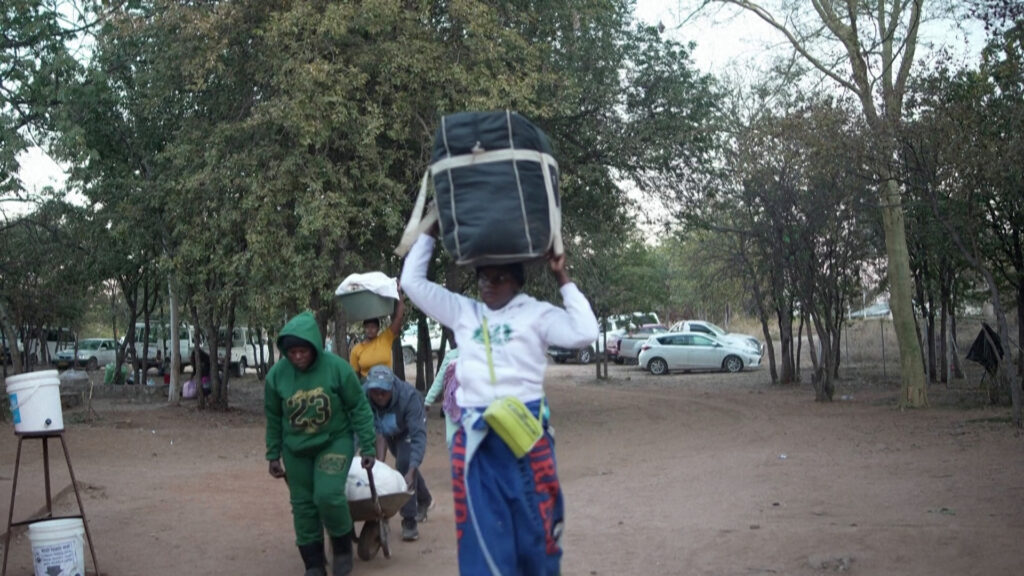
Amid escalating xenophobic violence in South Africa, a significant number of Zimbabweans are choosing to return to their homeland. The unrest has caused widespread fear and uncertainty among Zimbabwean migrants, many of whom have lived and worked in South Africa seeking better economic opportunities. Recent attacks targeting foreign nationals have led to a surge in repatriations as Zimbabweans seek safety and stability away from the hostile environment.
The xenophobic violence has primarily been directed at immigrant communities, including those from Zimbabwe, Mozambique, and other neighboring countries. Tensions have been fueled by economic hardships, high unemployment rates, and competition for limited resources, which some local South Africans blame on foreign migrants. However, the influx of refugees and migrants is often a consequence of economic and political challenges in their home countries.
Many Zimbabweans have historically relied on South Africa for employment, remittances, and access to better social services. The ongoing violence disrupts these support systems, leaving returnees uncertain about their future prospects. Zimbabwean government officials have expressed concern over the safety of their citizens abroad and are working to facilitate the repatriation process. Efforts include arranging transportation, providing humanitarian assistance, and offering reintegration support for those displaced by the violence.
Human rights organizations have condemned the attacks and called for urgent measures to protect migrant populations. They emphasize the need for South African authorities to address the root causes of xenophobia and implement policies that promote social cohesion and tolerance. Meanwhile, regional leaders have urged South Africa to uphold the rights and dignity of all residents regardless of nationality.
The return of Zimbabweans highlights broader challenges facing the Southern African Development Community (SADC), which includes managing cross-border migration and fostering inclusive economic growth. The situation has sparked dialogues on improving regional cooperation to prevent such xenophobic outbreaks in the future.
For the returnees, the journey back to Zimbabwe is bittersweet, marked by relief from immediate danger but accompanied by concerns about reintegration into a country still grappling with its own economic and political struggles. As communities welcome back their citizens, there is a shared hope for peace, stability, and a reduction in hostilities both within and beyond Zimbabwe’s borders.