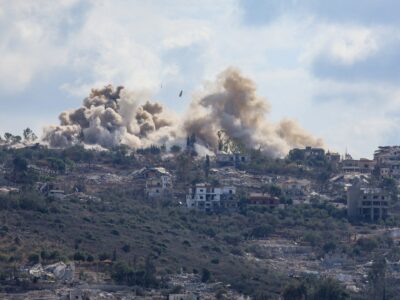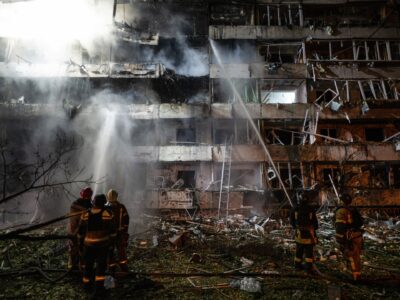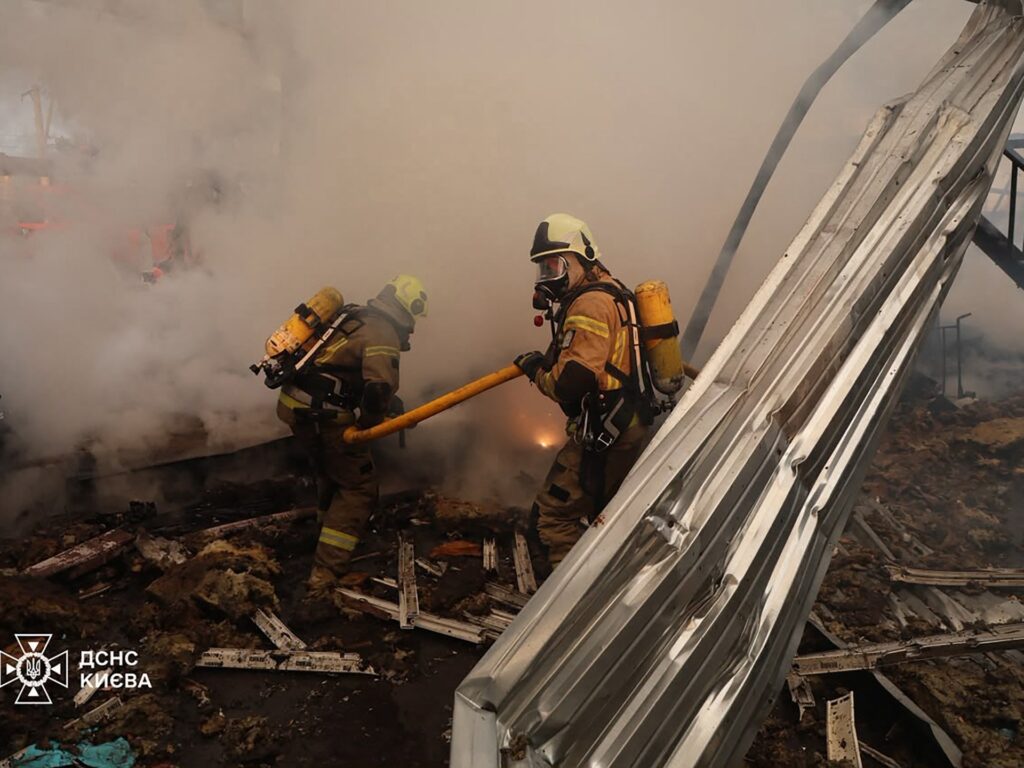
In the latest escalation of the conflict in Ukraine, Russia launched an intense barrage involving ballistic missiles and over a hundred drones, targeting the Ukrainian capital, Kyiv. This marked one of the deadliest phases of the ongoing war, resulting in the deaths of two individuals and injuring 19 others.
The attack involved a coordinated strike using ballistic missiles coupled with a swarm of 121 drones. This dual-threat tactic underscores a significant increase in the intensity and sophistication of Russian military operations in the region.
Ukrainian officials reported the assault early in the day, confirming the tragic human toll and widespread damage across several parts of Kyiv. The missile strikes caused considerable destruction to infrastructure, homes, and public amenities, compounding the challenges faced by the local population.
The drone swarm, deployed alongside the missile attacks, demonstrated a disturbing evolution in warfare tactics. These unmanned aerial vehicles overwhelmed Ukrainian air defenses and carried out targeted strikes that increased casualties and chaos.
Emergency services in Kyiv responded promptly to the attacks, rescuing those trapped in debris and providing urgent medical care to the wounded. Hospitals in the area were put on high alert to manage the influx of casualties resulting from the barrage.
This assault comes amid ongoing hostilities in Ukraine, reflecting the relentless and brutal nature of the conflict. Analysts suggest that the use of such combined missile and drone attacks aims to break Ukrainian defensive lines and sow fear among the civilian population.
International reactions have been swift, with many countries condemning the attack as a violation of international law and emphasizing the urgent need for peaceful resolution. Humanitarian organizations have called for increased aid and support for the affected communities in Kyiv.
The Ukrainian government has vowed to strengthen its defenses and retaliate against further aggression. Military experts note that countermeasures against such drone swarms involve advanced radar and interceptor technologies, which Ukraine is reportedly receiving from international allies.
As the conflict continues, the humanitarian impact grows, with civilian casualties and infrastructural damage escalating. The recent missile and drone assault is a stark reminder of the high human cost of the war and the complexities involved in seeking a ceasefire.
Local residents remain resilient despite the ongoing threats, with many volunteering to assist emergency efforts and support displaced families. The international community continues to watch closely, hoping for a resolution that restores peace and stability to the region.